
Arrests in Manacor: Burglary Spree Over Christmas – How Safe Are Vacant Homes?
Arrests in Manacor: Burglary Spree Over Christmas – How Safe Are Vacant Homes?
Two youths arrested in Manacor: Three burglaries on three days during the holidays. What went wrong with prevention and the neighborhood watch? A reality check from everyday life.
Arrests in Manacor: Three burglaries in three days — and the questions that remain
Main question: Why could perpetrators so easily strike at broken doors and windows during the day — and what is missing in the response?
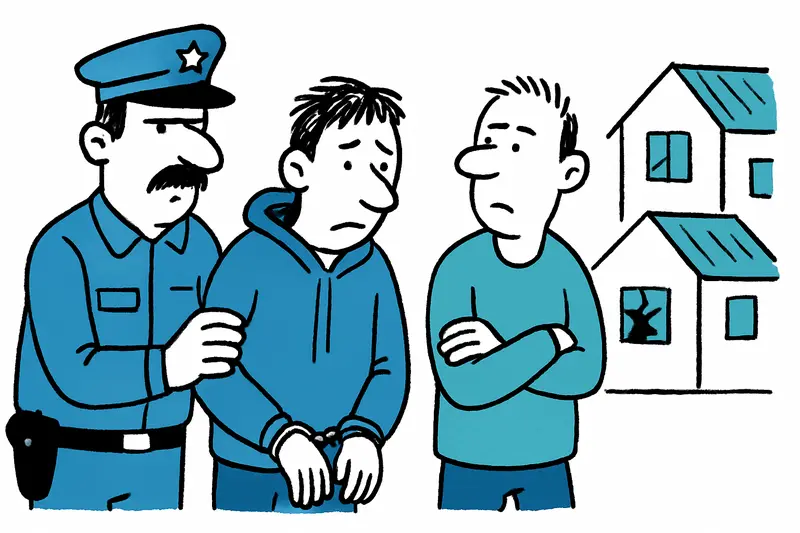
The facts are few and clear: In Manacor the Policía Nacional arrested two minors. After reports of three apartment burglaries within just three days during the Christmas holidays, police investigations led to the identification of the suspects. According to the statement, the burglaries were carried out during the day, perpetrators pried open doors or windows and mainly stole jewelry and other valuables. Many of the items were recovered and returned to their owners. Investigations continue, as in Burglary Spree on the MA-12: How Safe Do Santa Margalida and Muro Still Feel?.
Sound like a closed case? Not entirely. The short report says what happened, but not why the situation escalated. That's what this piece is about: a reality check rather than soothing platitudes.
Analysis: Three aspects stand out. First, the time window and pattern — daytime, forced entries, rapid sequence over a few days. That is not coincidence, but a targeted exploitation of empty houses during the holidays, similar to other daytime sprees such as Palma on edge: Seven arrests after daytime burglary spree – what now?. Second, the neighborhood apparently reported the incidents and police increased surveillance; this shows that reporting systems work, but too late, as with other towns where Night-time Break-ins in Can Picafort: Caught — What Now? led to arrests after residents reported suspicious activity. Third: the return of the loot is good, but it does not answer the question of prevention and protection against repeat offenses.
What is often missing in public debate: the perspective of residents and the neighborhood. I imagine the scene — a quiet courtyard on Carrer de la Pau, market stalls still closed on the holiday morning, only a delivery van rattles by, the trash bins clatter in the wind. Whoever lives on such a street glances out the window on December 25 and trusts that neighbors are keeping an eye on things. If then a door is forced open, it feels like a breach of trust — not only materially, but socially.
Also missing in public discussion are concrete figures on repeat offenses, clues about possible gang structures or socio-economic backgrounds of the perpetrators, and clear prevention tips for owners of holiday rentals and absent households. The need for figures on repeat offenses is underlined by cases such as Serial thief in Marratxí: Arrest brings relief — but questions remain. In short: we need more than the arrest notice.
Concrete solutions — not platitudes, but tangible steps:
1) Strengthen neighborhood networks: Digital groups on local messaging services are convenient, but they often react too late during holidays. Joint plans for vacation periods, notices in stairwells with contact lists and scheduled patrols can help.
2) Increase visibility: Timed lighting controls, simple window locks and clearly visible alarm stickers are deterrents. Not a guarantee, but an additional hurdle.
3) Make police follow-ups usable: When reports come in, residents should be informed promptly about dangerous situations — for example via an SMS alert for neighborhoods. The police do not need to give details, but warnings enable quick reactions.
4) Owners of holiday rentals: Inform managers before absences, rely on professional handovers, document inventory. A small insurance policy or safes for particularly valuable items is worth considering.
An everyday scene stays in the mind: On the Plaça in Manacor an elderly woman sits with her dog, she notices the rumble of the police and murmurs that she saw unfamiliar faces on her street last week. Such observations are worth their weight in gold — if they reach someone who acts on them.
Conclusion: The arrests are a success for investigative work. But they are no substitute for long-term prevention and better communication between police and citizens. If people travel over Christmas they should not only lower the shutters but also think: Who will check the house, which security measures really help, and how connected is the street? If these questions are asked more loudly in the future, and if police and neighborhoods implement practical and faster responses, Manacor will have a better chance of preventing such series — and that would be the real Christmas gift for local residents.
Frequently asked questions
How safe are vacant homes in Mallorca during the Christmas holidays?
Why do burglars often strike during the day in Mallorca?
What should I do to protect my home in Mallorca before going away for the holidays?
Can police recover stolen items after a burglary in Mallorca?
What happened in the Manacor burglary arrests?
Are certain parts of Manacor more at risk when homes are empty?
What security measures work best for a holiday home in Mallorca?
What should neighbours in Mallorca do if they notice suspicious activity?
Similar News
Palma, Palma de Mallorca, Palma‑Mallorca: What is it really about?
The debate over the city's name is more than grammar: it concerns identity, law and branding policy. A sober reality che...
Warning to Bathers: Nipping Fish in Cala Major and Other Coves — a Reality Check
In Cala Major and several beaches around Mallorca, bathers report painful “nips”. Who are the animals, why are they gett...

Rental Car Theft in El Arenal: What This Incident Reveals About Our Gaps
A teenager steals a running rental car in El Arenal, flees on foot, climbs over walls and is caught by the Guardia Civil...

Red Rope in Palma's Library: What Helps Against Selfie Tourism — and What's Missing
Palma's city library cordoned off an area with a red rope to keep selfie tourism away from reading and working activitie...

Fort San Carlos: Museum, Harbor Dispute — and a Conflict That Demands Answers
The military museum at Fort San Carlos sits right on Palma's harbor, with unexpectedly quiet rooms filled with cannons a...
More to explore
Discover more interesting content

Can Cap de Bou

Townhouse Lleo 72
