
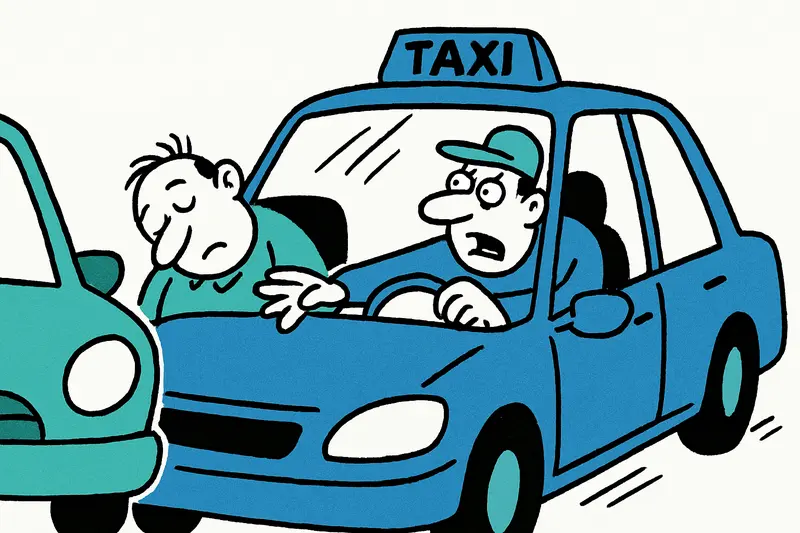
When the Taxi Driver Collapsed at the Wheel: A Reality Check After the Sóller Accident
In Sóller a 31-year-old taxi driver lost consciousness at the wheel. A tourist intervened but could not prevent the collision with parked cars. Time for an honest look at medical checks, emergency protocols and responsibilities.
When the Taxi Driver Collapsed at the Wheel: A Reality Check After the Sóller Accident
A tourist had to steer, a taxi crashed into parked cars – and now?
On a bright afternoon in Sóller, among orange trees and the soft honking of the tram, a taxi ride ended abruptly: the driver lost consciousness at the wheel, two passengers were in the car. A tourist in the front passenger seat jumped to the steering wheel, tried to brake, but could not prevent the impact with several parked vehicles and shrubs. Paramedics from the SAMU 061 emergency service treated the 31-year-old driver on site, and the local police managed the traffic.
Key question: How well is our system really prepared when a driver suddenly fails? And who bears responsibility — the driver, the taxi company, the authorities, or we passengers?
The picture is not new to us: narrow lanes, many tourists, little room to maneuver; recent incidents like Nighttime Accident in Sóller: Alcohol, No Driver's License — How the Situation Escalated underline the risks. Sóller has narrow streets and often unexpected situations when the tram runs or delivery vans park. In such an environment, a health failure of the driver can quickly lead to a chain reaction. That a passenger had to intervene makes it clear: in emergencies, bystanders are often called on to act — often without guidance or preparation.
Critical analysis: medical checks and their gaps. On Mallorca as elsewhere there are mandatory examinations for professional drivers, but enforcement and frequency vary. A single health check at hiring is not enough. Cardiac arrhythmias, circulatory problems or diabetes can become an issue suddenly. Work-related factors add: long shifts, lack of sleep, stress and heat — especially during the pre-season and high season a strain on body and concentration.
The responsibility of taxi companies remains a blind spot in public discourse, as local investigations into crashes (see Alcúdia: Who Was Really at the Wheel? A Reality Check on Alcohol, Responsibility and Investigations) show. How carefully do companies check the fitness of their drivers? Are there internal rest periods, health care measures or emergency training? Many drivers are self-employed; control over whether they take regular medical exams often lies in a grey area.
What is missing in the debate: reliable figures and clear responsibilities. How often do fainting episodes at the wheel occur in the taxi sector? How many taxis are technically equipped to protect passengers in accidents? Authorities publish hardly any data, and trade associations often remain silent. Without numbers the discussion stays anecdotal.
An everyday scene from Sóller: On the plaza in front of the station seniors sit under olive trees, listening to the tram's chatter. In the afternoon tourists line up at the taxi rank, suitcases roll over the cobblestones. No one thinks when getting in that the ride also carries a small risk — until something happens. Then it becomes clear how vulnerable the situation is: narrow streets, parked cars, no escape routes.
Concrete solutions, practical and locally implementable: First: regular orientation health checks for taxi drivers, not just at hiring. A short health screening every 12 months, supplemented by simple tests like blood pressure and blood sugar measurements, could reduce many risks. Second: mandatory first aid and emergency training for drivers — and a short info card in the taxi for passengers: what to do if the driver fails? Third: technical minimum standards: automatic emergency braking assistants and highly visible warning lights that warn other road users in the event of sudden deceleration. Fourth: transparent reporting obligations — companies should report incidents so authorities can collect data and respond in a targeted way.
At the municipal level much could be improved: concrete rules for rest periods, checks of driving licences and health records by local authorities and information campaigns at taxi ranks in tourist centres; other areas have already carried out spot checks, such as Eivissa on alert: Five taxi drivers stopped under the influence of alcohol or drugs. Taxi companies could promote preventive health checks, for example through cooperation with local health centres — that would be a small effort and a big gain for road safety.
A practical suggestion for the moment: taxi ranks in places like Sóller could keep a small emergency kit — a clearly visible sign with instructions, a warning triangle, a simple guide on how to bring a vehicle safely to a stop. It costs little but helps gain valuable seconds.
Concise conclusion: The accident in Sóller is a wake-up call, not an isolated incident but an example of how thin some safety nets are. When you take a taxi in the morning you trust the driver's competence and a system that secures the operation. That trust must not be merely hope. It needs clear rules, more prevention and simple technical and organizational measures that significantly reduce the risk of sudden incapacitation. Sóller shows us that small towns are particularly vulnerable — and that we should start closing the gaps precisely there.
Frequently asked questions
How safe are taxi rides in Mallorca if the driver suddenly becomes unwell?
What should passengers do if a taxi driver collapses in Mallorca?
Are taxi drivers in Mallorca required to have regular medical checks?
Why can taxi rides in Sóller feel more risky than in other parts of Mallorca?
What responsibilities do taxi companies in Mallorca have for driver safety?
What safety measures could improve taxi travel in Mallorca?
Is it common for taxi drivers in Mallorca to faint at the wheel?
What should tourists know before taking a taxi in Mallorca?
Similar News
More Electric Cars in the Balearic Islands: Sales Rise Sharply
Between January and August, 14,185 vehicles without petrol or diesel propulsion were sold — an increase of more than 40 ...
Autumn in Mallorca: What Truly Remains of Summer
The days grow shorter, the evenings cool — and yet more of summer lingers than you might think: sounds, recipes, people,...
Rescue operation at Tolleric: Why nighttime cliff parties become dangerous
A British holidaymaker fell about ten meters at the cliffs of Tolleric during the night, later climbed back up and was r...
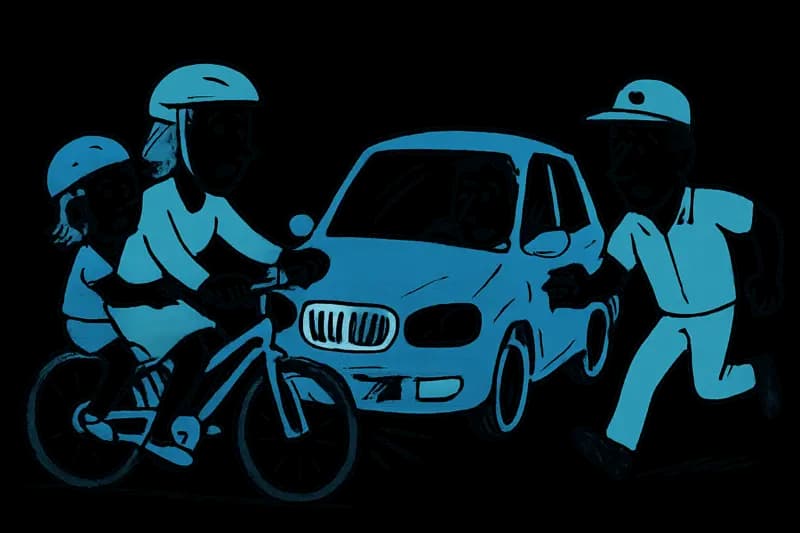
Car accident on the MA-1: Mother and daughter on a bicycle struck by a fellow countryman – Who protects cyclists here?
On the MA-1 between Portopí and the Cala Major exit, a mother and her daughter on a bicycle were struck by a car. A para...
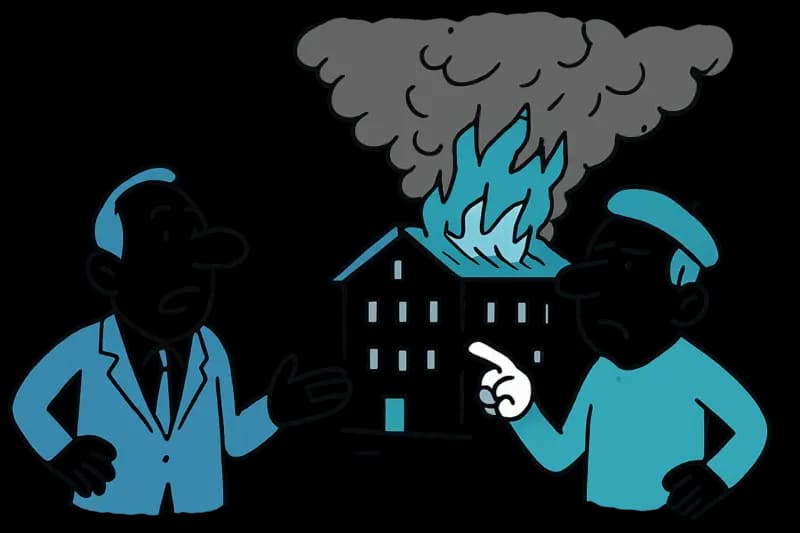
Smoke over the UIB: Who is responsible for the fire on the roof?
On Saturday afternoon a fire broke out on the roof of the Arxiduc Lluís Salvador building at the University of the Balea...
More to explore
Discover more interesting content

Can Cap de Bou

Townhouse Lleo 72
