
Denied Boarding to Mallorca Over Carry-on Row: Berliner Turned Away at Gate — Investigation Under Way
Denied Boarding to Mallorca Over Carry-on Row: Berliner Turned Away at Gate — Investigation Under Way
A dispute at the gate in Münster/Osnabrück over the size of a bag ended with a traveler being removed from a Ryanair flight to Palma. The Federal Police opened proceedings for insult. Who is responsible — and how can such escalations be avoided?
Denied Boarding to Mallorca Over Carry-on Row: Berliner Turned Away at Gate — Investigation Under Way
Late in the evening a gate check in Münster/Osnabrück escalated; the Federal Police escorted the man out of the terminal
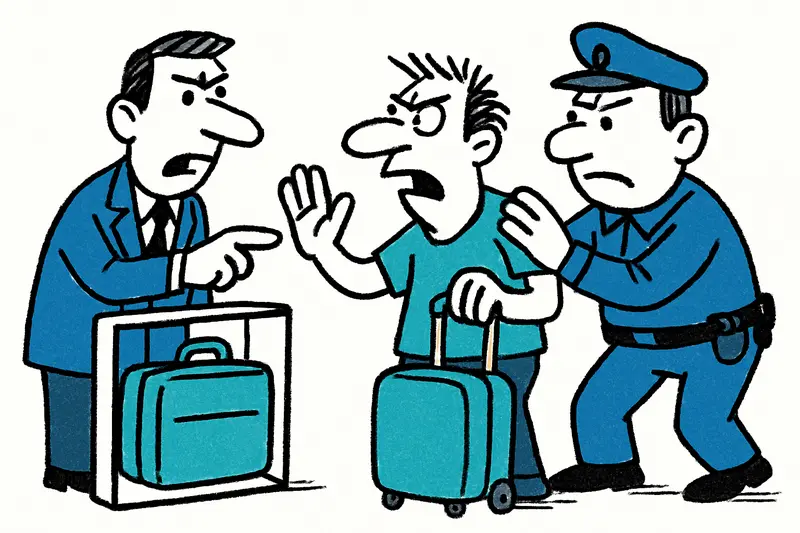
A brief luggage check, a quick 'no' — and suddenly a routine inspection turned into a scene that ended with a forced trip home for a 53-year-old man from Berlin. The facts are simple: the man intended to fly with Ryanair to Palma de Mallorca. During boarding he was asked to place his bag into a measuring frame because staff suspected the item might exceed the permitted dimensions. He refused, a louder argument followed, insults were exchanged, the crew barred him from the flight, and the Federal Police escorted him out of the airport. He now faces an investigation for insult.
Key question: What fails more often: clear rules, communication at the gate, or a lack of conflict prevention training for airport staff?
The description sounds trivial, but such an incident reveals several weaknesses in the system. First: low fares, strict rules. Many low-cost carriers have enforced tight hand luggage regulations for years, and boarding is optimized for efficiency. The measuring frames are part of that system. If a passenger refuses the measure, staff are left between the flight schedule, passenger satisfaction and safety requirements. If a verbal escalation occurs, the crew must react quickly — in this case by excluding the passenger from the flight. That is an operational decision, but it can have serious personal consequences: missed holidays, additional costs, and now a criminal proceeding. Similar service disruptions have been reported, for example the Delayed Mallorca–Berlin Flight: Landing in Hanover, Continued by Bus.
What is often overlooked in public debate is the routine behind such checks: how often are measuring frames used? At what point of the journey are passengers informed? A short request at the gate seems trivial in a single case, but many such situations could be prevented if the allowed dimensions and possible fees for exceeding them were clearly communicated already at check-in. There is also little discussion about how staff can act to de-escalate tense situations without immediately having to call the police — or whether calling the police is proportionate in so many cases.
I often sit on the Passeig Mallorca, listening to taxi drivers tell how arriving holidaymakers sometimes wait at the baggage claim crying or angry. In Palma the scene is familiar: groups missing a flight because a bag ended up as excess luggage; travelers arguing at the check-in counter and disturbing the evening calm in a café on the Passeig; a similar case was reported in Carry-On Dispute at the Emergency Exit: Why a Loud Row Reveals More Than Bad Manners. This is not only a German story — it is about small everyday worries that have big consequences when rules are enforced without empathy.
A critical analysis suggests two areas for action. First: better information flow. Airports and airlines should ensure that dimensions and possible consequences are visible and understandable, already at booking and at the latest at check-in. QR codes linking to a short video, a prominently placed measuring frame in the check-in area, automated app notifications — such tools reduce surprises at the gate and help mitigate broader problems such as the Hours-long delay at BER – what Mallorca travelers need to know.
Second: de-escalation training and clear escalation paths. It is not productive to refer every dispute immediately to the Federal Police. Staff need clarity on when exclusion is justified, how to involve colleagues, and how to document an incident so it is legally traceable later. Such procedures protect both employees and passengers.
Practical measures that can be implemented quickly: fixed measuring stations already at check-in; the option for passengers to hand in luggage at short notice for a fee; digital tools allowing customers to check their baggage dimensions before departure; mandatory short communication trainings for gate staff; and a transparent complaints and arbitration office at the airline to evaluate cases before they escalate to legal proceedings.
There is also the question of proportionality. Insults, especially those described on the spot as having a sexual nature, are legally relevant and wound the dignity of staff. At the same time, airline actions must not lead to arbitrary exclusion. A clear, comprehensible procedure best protects both sides here.
If someone wants to find a culprit quickly, they will: the impatient passenger or the increasingly stretched crew. The better answer is less black-and-white: clearer rules, better communication and a bit more humanity in places where everyone is doing a small journey — and where the terminal is no longer just a transit point but part of everyday life.
Conclusion: the current case is more than an anecdote. It is a wake-up call for airports and airlines to design rules that are not only economically efficient but also socially manageable. For travelers: to save time and nerves, check dimensions and rules in advance. For the industry: a measuring frame at the gate must not become the end of every journey.
Frequently asked questions
When is the best time to swim in Mallorca?
What should I pack for Mallorca in spring?
Is Mallorca warm enough for a beach holiday in April?
Can you still swim in Mallorca in October?
Is Palma de Mallorca a good base for a first trip?
What is Port de Sóller like for a day trip in Mallorca?
Is Alcúdia suitable for families visiting Mallorca?
What should I know before hiking in the Serra de Tramuntana?
Similar News
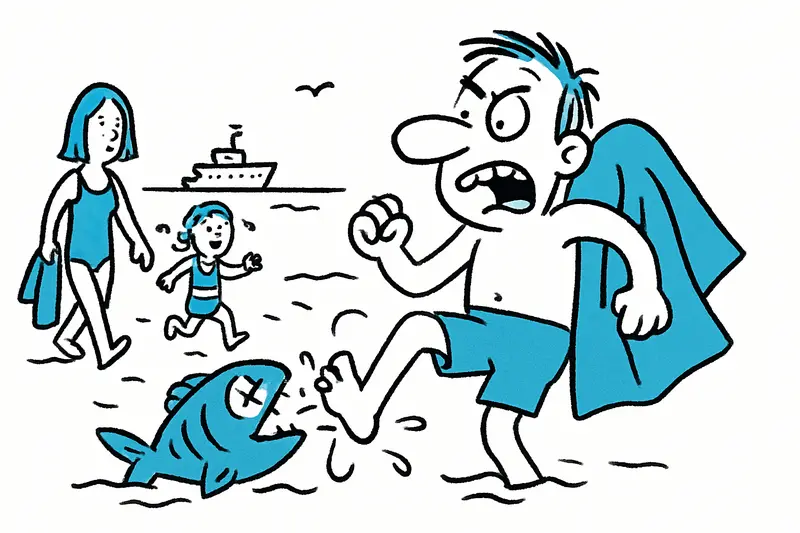
Warning to Bathers: Nipping Fish in Cala Major and Other Coves — a Reality Check
In Cala Major and several beaches around Mallorca, bathers report painful “nips”. Who are the animals, why are they gett...

Rental Car Theft in El Arenal: What This Incident Reveals About Our Gaps
A teenager steals a running rental car in El Arenal, flees on foot, climbs over walls and is caught by the Guardia Civil...
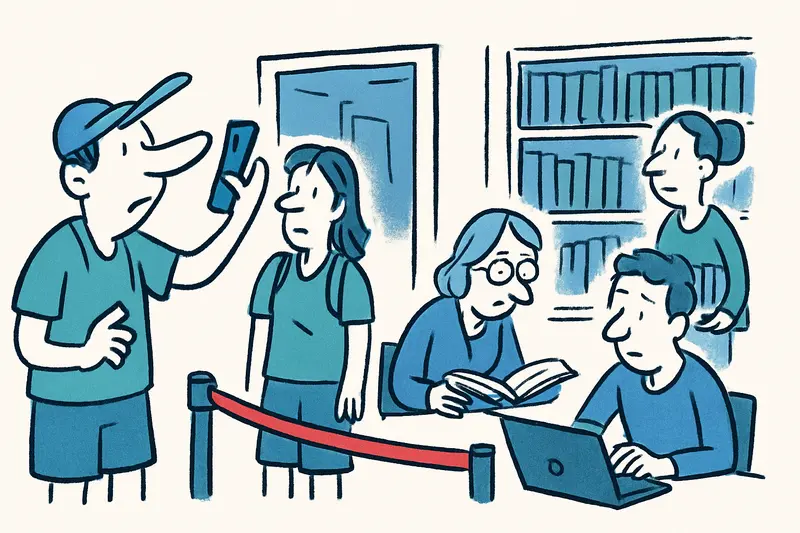
Red Rope in Palma's Library: What Helps Against Selfie Tourism — and What's Missing
Palma's city library cordoned off an area with a red rope to keep selfie tourism away from reading and working activitie...
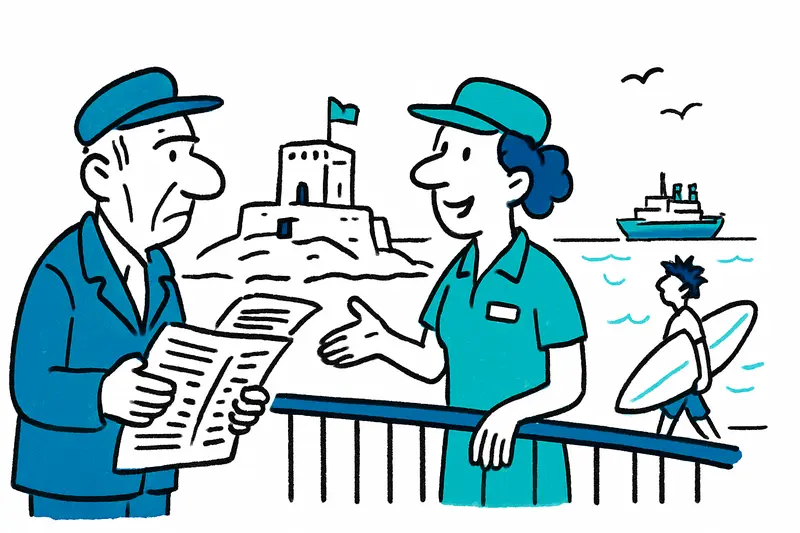
Fort San Carlos: Museum, Harbor Dispute — and a Conflict That Demands Answers
The military museum at Fort San Carlos sits right on Palma's harbor, with unexpectedly quiet rooms filled with cannons a...
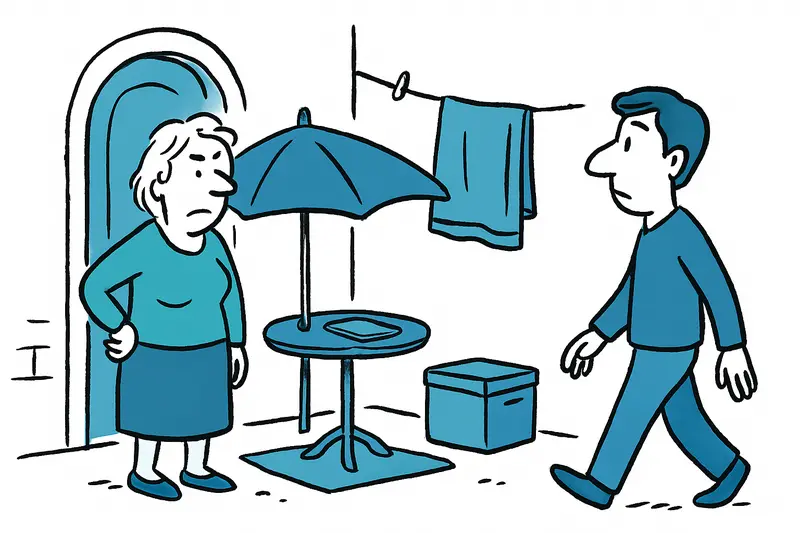
Old Town Under Pressure: When a Doorway Becomes a Sleeping and Shower Place
For months a woman has been living with a parasol, a clothes rack and personal belongings next to the social welfare off...
More to explore
Discover more interesting content

Can Cap de Bou

Townhouse Lleo 72
