
Two arrests in Palma: The assault on the edge of a park and the open questions
Two arrests in Palma: The assault on the edge of a park and the open questions
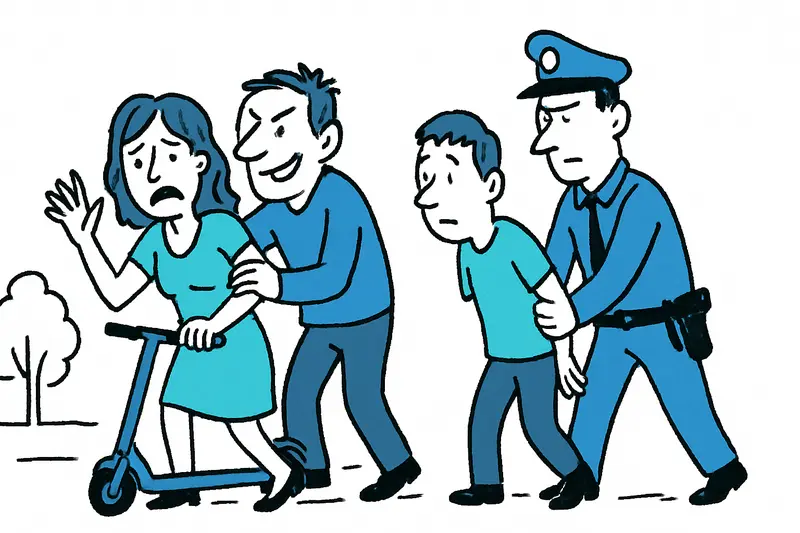
Police have arrested two young men suspected of stopping a woman near a park in Palma in November, sexually harassing her and stealing her e-scooter. What do the arrests reveal — and what is missing from the public debate?
Two arrests in Palma: The assault on the edge of a park and the open questions
A woman is said to have been stopped by youths in November, sexually harassed and robbed of her e-scooter. Two suspects are now in pretrial detention.
At the end of November, a cool evening in Palma: streetlights cast yellow light on wet cobblestones, a dog barks somewhere, cyclists weave past parked cars. In this setting, police sources report, a woman was allegedly stopped and held by a group of youths. Two of the young men are now suspected of touching her in intimate areas and then stealing her e-scooter. According to investigators, the two are in pretrial detention, and local coverage has detailed two suspects held in custody after multiple assaults in Palma. The police do not rule out further arrests.
Key question: Are arrests alone enough to prevent such assaults in the long term — or are we only addressing the short-term response to a deeper problem?
The arrests are important. They show that the cases will not go unpunished. But it remains a mere statement: two people in custody, possible further investigations. What is missing is a clear public debate about causes, patterns and prevention. In brief news items these assaults often disappear between other reports; in everyday life survivors are left wondering how safe they should still feel in the city.
A critical look at the events reveals several areas in need of action. First: dark paths and poorly lit forecourts are not just an aesthetic problem — they create niches where assaults are more likely to occur. Second: mobility on two small wheels — e-scooters are practical, but they also prove how quickly someone can become a victim of theft, as seen in a recent robbery in Can Pastilla where a €6,000 watch was stolen and the perpetrator escaped by e-scooter. Third: law enforcement alone is not a prevention concept. Reports and arrests deliver justice, but they are not equivalent to long-term safety.
In the public debate three things are currently missing in particular: reliable figures on the frequency of such assaults, consistent statements from authorities on investigation status, and a visible discussion about urban measures (lighting, patrols, prevention work in schools). Instead, headlines focus on isolated facts and attention remains episodic, as with coverage of three juveniles arrested in Palma's car-theft series.
A scene from everyday life: in the early evening pensioners sit on the park wall, youths ride scooters along the path, tourists photograph facades, and a single streetlight flickers. Exactly where many everyday situations converge, there is often no continuous presence of people who could help or intervene. Safety is created not only by cameras but by neighborhood life, functioning lighting and visible presence of law enforcement.
Concrete solutions that go beyond arrests could look like this:
- Immediate measure: temporary increase in foot patrols during evening hours at known problem spots, combined with clear communication that victims can find support (contact points, confidential counseling).
- Infrastructure: better lighting on park paths and at bus stops, secured parking areas for e-scooters so users are not forced to lock their device in dark side streets.
- Prevention: awareness programs in schools and youth centers about boundaries, respect and consequences. Young people need spaces to talk about aggression before it escalates.
- Reporting & support: simple, multilingual reporting channels and direct support for survivors — psychosocial help, legal advice, safe accompaniment after filing reports.
- Technology & order: where appropriate, more lighting and targeted video monitoring with clear data protection rules; not comprehensive surveillance, but targeted measures at risk points.
There are also practical small steps that help: clearly visible signs with emergency numbers, meeting points with regular presence of volunteers or community workers, and information campaigns at e-scooter stations that point out what to do in an emergency.
What matters now is a mix of immediate police investigation and long-term urban planning. The arrests must not be the end of the debate. They must become a starting point: for better lighting, for low-threshold support services, for prevention work in schools and clearer rules for mobility-sharing providers.
Conclusion: Two people in custody are a response to a specific crime. Palma's real task is to change the conditions that make such attacks possible. Otherwise we will soon be sitting again on a park bench, hearing the crunch of scooter wheels — and asking whether enough has been done to protect other women.
Frequently asked questions
Are parks in Palma safe at night?
What should I do if I’m robbed or assaulted in Mallorca?
Is it safe to ride an e-scooter in Palma after dark?
What are the safest areas to walk in Palma in the evening?
Why does better lighting matter for safety in Palma?
What kind of police response follows assaults in Palma?
How can Mallorca improve safety in parks and public spaces?
Should tourists in Mallorca be extra careful in quiet evening areas?
Similar News

"Expensive chaos" and many open questions: What clients can do when a lawyer suddenly stops responding
Several clients complain that a well-known German lawyer in Mallorca has been unreachable for months. Key question: What...

TV tip: 'The Last Problem' — Mallorca as the setting of a classic crime
A classic whodunit on Mallorca: A new miniseries set in spring 1959 brings storm, an isolated hotel and a dense web of s...

Nipping Sea Creatures: Why Bathers in Cala Major and Elsewhere Should Be Cautious
In Cala Major, bathers have reported being nipped by small fish. What is behind it, how can problems be avoided — and wh...
Forced eviction in Santa Catalina: When a 65-year-old slept in her car and showered on the beach — a question of responsibility
The story of Pilar López from Santa Catalina represents a problem affecting many Mallorcans: How can an island with a bo...
New traffic rules from October 1: What Mallorca visitors and locals need to know
From October 1, 2026, Spain will implement far-reaching changes to traffic regulations. Important for Mallorca: greater ...
More to explore
Discover more interesting content

Can Cap de Bou

Townhouse Lleo 72
