
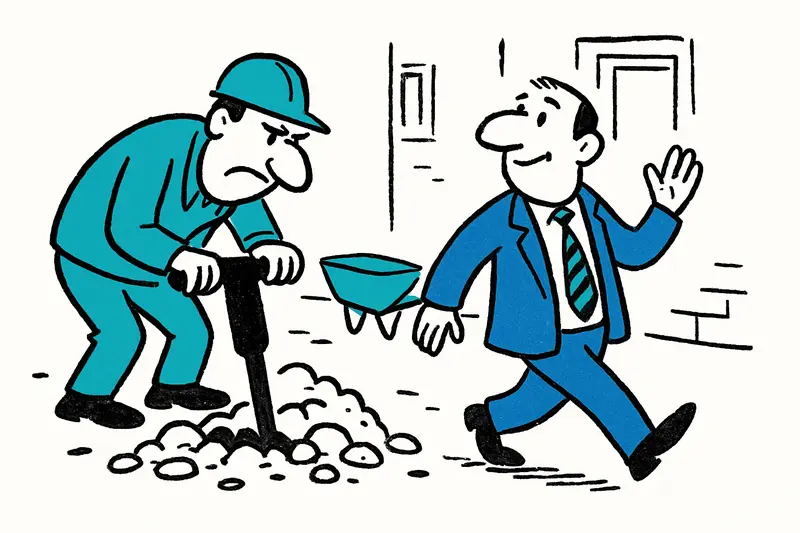
Artà in the Home Stretch: Asphalt Scent, New Pipes — and the Question Who Will Pay the Follow-up Bill
After nearly three years of construction atmosphere, work vehicles are becoming less frequent in Artà. Fresh asphalt, new pipes and a refreshed park — but who will take on maintenance, be liable for damage and regulate data protection & traffic? A look at unresolved risks and practical solutions.
Artà in the Home Stretch: Asphalt Scent, New Pipes — and the Question Who Will Pay the Follow-up Bill
If you stroll through the narrow lanes of Artà in the early morning right now, you hear less honking, smell asphalt and the salt of the nearby bay at the same time. Gulls cry over the Torrent, the bells of Sant Salvador strike on the half hour, and in some corners cobblestones again peek out from under freshly laid asphalt. The construction fences that have blocked views of many streets since 2022 are slowly coming down, as reported by Mallorca Magic report on Artà's completed pipe works. Relief is tangible — but with it comes the pressing question: Who will take long-term responsibility for what is new now?
More than new pipes: What was actually done
They did not simply replace old pipes with new ones. Drinking water, sewage and stormwater channels were modernized, sectorization was introduced so that a failure does not take the whole village offline. Particularly tricky were works in n'Aixa, les Figueretes and on the steep Josep Sanxo de la Jornada: excavator tracks on stairs, fittings in narrow alleys — you could see craftsmen working with finesse rather than brute machinery. Public investments were also made: Parc de Can Marín was created, playground equipment on Plaça del Progrés renewed, social spaces on Plaça del Pes del Porcs completed, and energy-saving lighting installed around the monastery, as covered by Mallorca Magic coverage of Artà historic center rehabilitation.
The key question that few dare to ask aloud
The construction phase is ending, but three topics have so far not featured prominently on the agenda: Who pays the follow-up costs? What rules apply to traffic monitoring? And is the system resilient enough against increased extreme weather events? These are not technical trivia — they determine whether the investment will last or need repairs again in a few years.
Maintenance and financing: New pipes must be inspected, flushed and selectively renewed. Without a clear, funded maintenance plan, cracks and breaks may occur, especially if dry summers alter the ground. A one-off investment in material is not enough; regular inspections and reserves are needed.
Monitoring and data protection: The reintroduction of cameras and vehicle registration for traffic calming sounds banal, but it affects lives: How long will data be stored? Who may view it? What exceptions exist for suppliers, craftsmen and older people who rely on cars? Without transparent rules we risk mistrust and obstacles to everyday life; guidance from the Spanish Data Protection Agency on video surveillance outlines retention and access considerations.
Climate adaptation: The drainage system is better prepared for ordinary rain events — but are the measures sufficient for intense heavy rain or prolonged droughts that lower groundwater levels? Infiltration, green areas and permeable surfaces are not a luxury, but a necessary complement to hardened drainage engineering; see Climate-ADAPT urban green infrastructure guidance for best practices.
Concrete, quickly implementable proposals
Artà now needs a phase of political aftercare. Some proposals that could have quick local impact:
1. Transparent maintenance fund: A dedicated account funded from municipal funds, proportional resident contributions and possible European Regional Development Fund programs for local infrastructure. Transparently managed, with semi-annual reports to citizens. That way there is no anxious waiting for the next pipe burst.
2. Clear rules for traffic monitoring: Before cameras are finally activated, a local working group and a short public consultation should take place. Rules must clarify: retention period, access (police vs. municipality), exceptions for deliveries and seniors. A practical approach would be a test month with anonymized data.
3. Green infrastructure: More infiltration areas, trees in side streets, permeable paving stones in selected squares. These measures reduce heat, retain rainwater and improve the quality of public spaces — and they often cost less than additional sewer pipes.
4. Local procurement and employment clauses: Future contracts should give preference to local craftsmen. This keeps income in the town, reduces commuting and strengthens know-how for future repairs.
How everyday life is already changing
The first effects are visible: cafés are filling up early again, bicycles ring through quieter lanes, and neighborhoods often sleep more deeply at night. Supply chains are adapting — cargo bikes and smaller vans are driving more frequently. Business owners report relief but also temporary delivery problems. Flexible delivery windows and coordinated information campaigns could quickly help here.
In Plaça del Conqueridor, where the subsoil is particularly sensitive, there is less dust today. But the big test is yet to come: a heavier storm than in recent years or a dry summer with falling groundwater will show how well the measures really work.
Conclusion: Home stretch — and a beginning that must be cared for
Artà has shown great patience and now sees tangible improvements: new pipes, a park to breathe in and energy-saving lights. For this not to be a short-lived glow, political aftercare is now needed: a funded maintenance plan, transparent rules for camera and data use, targeted climate adaptations and contracts that strengthen local businesses. If the municipality manages this, the scent of asphalt will leave more than a clean townscape — Artà will gain resilience and community.
Some solutions cost little money, but time — and a bit of courage to get involved.
Frequently asked questions
What has changed in Artà after the recent street works?
Will Artà’s new drainage system be ready for heavy rain?
What should residents in Mallorca keep in mind after new pipe networks are installed?
How will traffic calming and camera monitoring work in Artà?
Is Artà becoming more climate resilient after the renovation works?
What is different around Plaça del Progrés in Artà now?
Why is the area around the monastery in Artà better lit now?
How are daily routines in Artà changing after the construction phase?
Similar News
First Day, First Consequences: What Palma's Rent Freeze Really Means
A new decree stops a planned eviction in Palma — but what really changes for tenants and landlords? A reality check with...
When Housing Becomes a Matter of Survival: Mallorca Between Rental Frenzy and Everyday Life
The case of 87-year-old Maricarmen showed that on Mallorca many people's lives are poised between affordable and uninhab...
Autumn in Mallorca: When Melancholy Gets a Window
Why autumn quietly tightens here — and how to make use of the mood: walks, culture, candles and the light from Palma to ...

Near-miss on Lanzarote: Landing Ryanair Jet and Iberia Takeoff — what really went wrong
On Lanzarote there was a dangerous incident: A Ryanair flight (FR5910) from Dublin landed on runway 03 while an Iberia E...

Eurowings introduces new Premium Business seats on Mallorca routes
From December 1, selected Eurowings flights to Palma and other destinations will feature eight particularly generous sea...
More to explore
Discover more interesting content

Can Cap de Bou

Townhouse Lleo 72
