
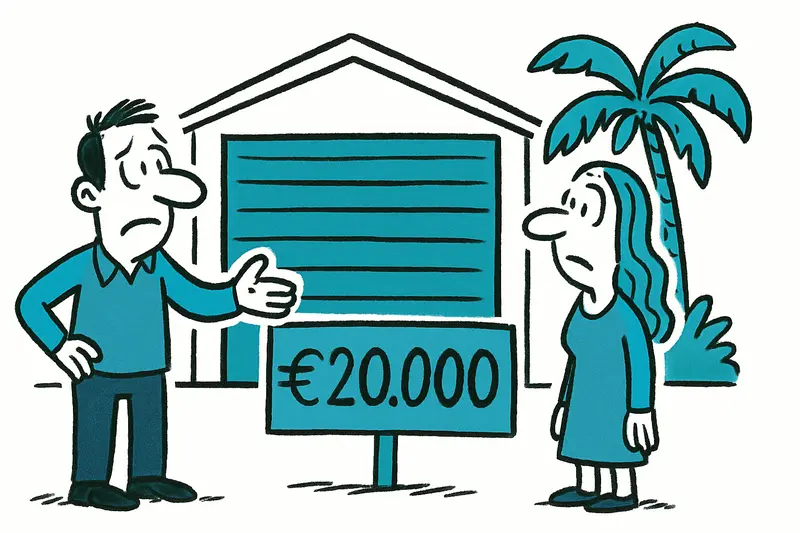
When parking becomes a luxury: garage parking space on the Balearic Islands costs on average €20,000
When parking becomes a luxury: garage parking space on the Balearic Islands costs on average €20,000
Brief check: A Fotocasa report names nearly €20,000 as the Balearic average price for a garage parking space. What does this mean for residents, the urban landscape and mobility in Mallorca?
When parking becomes a luxury: garage parking space on the Balearic Islands costs on average €20,000
Central question: Who can still afford a parking space — and what happens to streets, residents and traffic when parking becomes an investment asset?
The raw numbers are clear: according to an analysis by the portal Fotocasa, the average price for a garage parking space in December was around €19,700, an increase of almost 5.5 percent compared to the previous year. Ten years ago it was about €13,000. In Palma the figures sound even louder: there a parking space costs on average about €24,500, the most expensive rate on the islands.
It sounds dry, but it affects everyday life. If you walk along Calle Sant Miquel on a clear winter morning with sea air and the smell of freshly brewed coffee, you see it immediately: delivery vans, tightly parked small cars, locals with shopping bags, tourists with suitcases. A free parking space here is not a given; it is scarce and is valued accordingly — not only as a utility, but as an investment object.
Critical analysis: rising parking prices are not an isolated phenomenon. They are a symptom of a market where land is scarce and demand comes from several directions: resident households, second-home owners, holiday rental operators, construction speculation. When a parking space is increasingly treated like a security, behavior changes: owners block spaces, rent them short-term to tourists or leave them empty because mere ownership is capitalized — a dynamic that even ended in a parking dispute in Ses Illetes: Scratches, court and the question of fairness. This exacerbates scarcity for people who depend on a parking space daily — craftsmen, elderly residents, families with children.
What is often missing in public discourse: the everyday costs and the distributional effects. People talk about property prices in the millions, but not about the small items that make a difference for residents — monthly fees in underground garages, development charges, permanent parking zones; see Balearic Islands: Housing Becomes a Luxury — Who Will Stay on the Island?. There is also little discussion about how parking prices reproduce social inequality: those with low incomes spend a higher percentage of their earnings on mobility and parking fees, a pressure mirrored in recent reporting such as Balearic Islands: Rents to rise by an average of €400 in 2026 — who will pay the bill?. Equally rare as a topic: the ecological question. Expensive parking spaces can reduce car traffic — provided alternatives exist — or they become an additional yield object without a positive effect on mobility behavior.
Concrete solutions, practical and local: 1) Municipal and cooperative parking garages: municipalities could pool land and provide parking spaces to residents at social conditions. 2) Reduced long-term parking permits for residents, tied to proof of actual residence and prohibition of short-term holiday rentals. 3) Tax penalties or disincentives for unused private parking spaces to discourage hoarding. 4) Promotion of bicycle and public transport infrastructure so pressure on parking spaces decreases. 5) Flexible land-use planning: mandatory quotas for resident parking spaces in housing developments, combined with sharing models for visitors. These proposals are practical measures, not silver bullets — but they tackle the balance between the market and everyday needs.
An everyday scene to imagine: Tuesday evening at Plaça del Mercat in Palma. A taxi horn, footsteps, voices in several languages. An elderly señor carries two bags into the neighboring building and searches for ten minutes for a legal, affordable place to park his car. In the end he pays for a monthly subscription in a nearby underground garage — an amount that is noticeable for him. For him a parking space is not speculation, but livelihood security.
What authorities and neighborhoods can do: create transparency. Collect municipal data on usage, vacancy and price tiers so that measures can be targeted. Review the legal framework that governs conversions between living space and parking areas. And: orient urban planning not only toward returns but toward everyday life — where people live, they should also be able to park without going into debt.
Punchy conclusion: €20,000 is more than a statistic — it tells of market mechanisms that change everyday life. The question is less whether parking spaces become more expensive than who benefits from this development and who pays the bill. If parking becomes an investment, counterstrategies are needed so the island remains for people who live and work here, not only for investors.
Frequently asked questions
Why are parking spaces in Mallorca getting so expensive?
How much does a garage parking space cost in Mallorca?
Is parking in Palma harder to find than in other parts of Mallorca?
Can parking spaces in Mallorca be rented out to tourists?
What happens to residents when parking spaces become investment assets in Mallorca?
What can Mallorca municipalities do to make parking more affordable?
Does expensive parking in Mallorca mean fewer cars on the road?
What should I know before buying a parking space in Mallorca?
Similar News
Injured captain, big plans: Germania Mallorca before the away match in Consell
The newly founded FC Germania Mallorca travels to Consell on Saturday. Captain Bastian Müller is out injured, but coach ...
Palma, Palma de Mallorca, Palma‑Mallorca: What is it really about?
The debate over the city's name is more than grammar: it concerns identity, law and branding policy. A sober reality che...

Warning to Bathers: Nipping Fish in Cala Major and Other Coves — a Reality Check
In Cala Major and several beaches around Mallorca, bathers report painful “nips”. Who are the animals, why are they gett...

Rental Car Theft in El Arenal: What This Incident Reveals About Our Gaps
A teenager steals a running rental car in El Arenal, flees on foot, climbs over walls and is caught by the Guardia Civil...
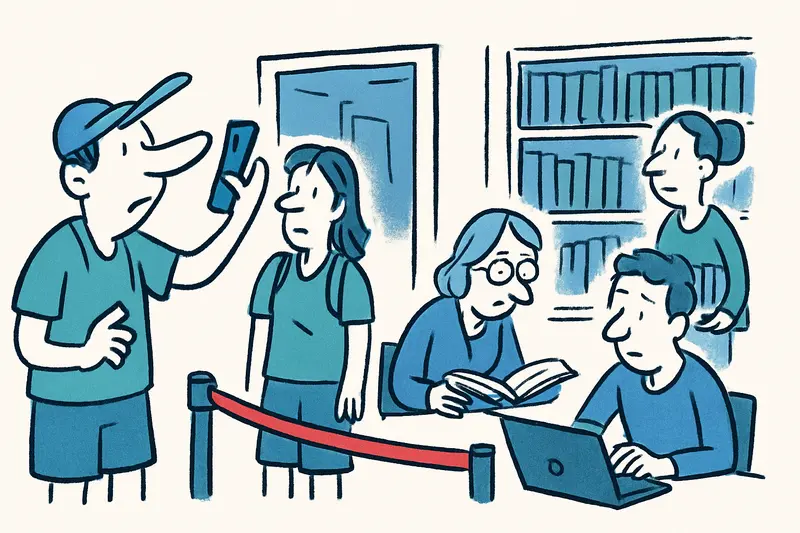
Red Rope in Palma's Library: What Helps Against Selfie Tourism — and What's Missing
Palma's city library cordoned off an area with a red rope to keep selfie tourism away from reading and working activitie...
More to explore
Discover more interesting content

Can Cap de Bou

Townhouse Lleo 72
