
After Eviction at Plaça d'Espanya: Who Protects the Right to Assembly and Public Space?
After Eviction at Plaça d'Espanya: Who Protects the Right to Assembly and Public Space?
The night-time eviction of the protest camp on Plaça d'Espanya ended a 37-day action against the housing emergency. Who has the right to space — and who to order? A reality check from Palma.
After Eviction at Plaça d'Espanya: Who Protects the Right to Assembly and Public Space?
Guiding question: How much room remains for protest in Palma when the voice of the street clashes with municipal order and tourist pressure?
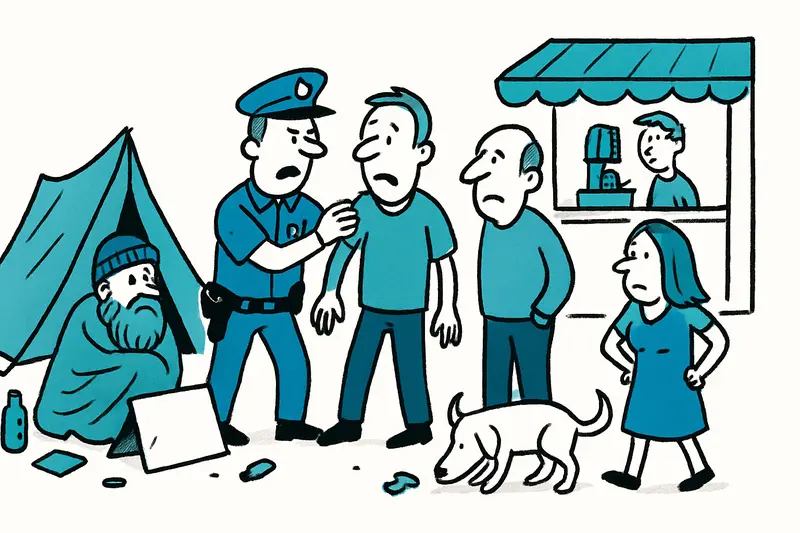
Early in the morning, as the municipal garbage trucks were rattling along Avinguda d'Argentina and the smell of fresh coffee wafted from small kiosks, units cleared the tent camp on Plaça d'Espanya. The action ended a 37-day presence of activists, homeless people and supportive neighbours who had drawn attention to the strained housing situation in Mallorca with sleeping bags and banners. According to those involved, about thirty people remained after the eviction, gathering their belongings at another location in the city.
Critical analysis: Two legitimate claims collide here. On the one hand is the right to assemble and demonstrate, which allows citizens to use public space to apply pressure. On the other hand is the municipal duty to regulate the use of public areas and to maintain order. The administration argued that the original permit did not foresee a permanent occupation with tents; the mayor welcomed the eviction, noting that the square belonged to all residents again.
What is often missing from the public discourse is a careful weighing of short-term policing of order and long-term problem solving. The eviction does not solve the causes that drove people to the camp: rising rents, conversion of housing into tourist short-term rentals, lack of transitional accommodation. Instead, the problem shifts and those affected reappear elsewhere in the city — visible for a few hours, invisible to politics.
Another blind spot is the question of procedural fairness. Authorities cite municipal regulations; activists speak of violated assembly rights. Coordination between the city and the central government remained patchy in the accounts: the city informed about the measures, representatives of the central government stated they had not received an official notification. Such communication gaps fuel mistrust and leave room for rumours.
Everyday scene from Palma: If you pass Plaça d'Espanya in the late morning you now again see delivery vans, tourist groups with cameras and older people reclaiming the benches. Two street dogs sniff among tent remnants, a street sweeper sweeps patiently, and at a corner a café opens its awning. The immediate normalization is palpable — but the stories behind each sleeping bag do not disappear with the next garbage truck.
What is missing are concrete short- and medium-term measures that both protect people and reestablish urban order. Here are some pragmatic proposals, without claiming to be exhaustive:
1) Set up short-term emergency shelters with low-threshold access, run in cooperation between the city, social services and non-profits. This would quickly create free overnight capacity instead of referring people to the street.
2) Mediation offices at municipal level: mobile teams that negotiate on site with protest groups, neighbourhood representatives and authorities to agree transparent transitional rules for assemblies.
3) Temporary regulations against excessive conversion of housing into tourist short-term rentals, combined with a mandatory vacancy register for private properties — this would reduce pressure on the rental market.
4) A publicly accessible deployment protocol: Who decides when about police operations on municipal squares? Open protocols would build trust and make possible procedural errors more visible.
5) Urban and social investments: affordable rental housing, subsidized interim uses and programmes to convert vacant commercial or hotel spaces into housing are partly long-term solutions but needed so that protest addresses not only symptoms but causes.
These proposals sound banal, and that is precisely the problem: many are technically feasible but politically difficult to implement. Spaces for negotiation processes and a clear separation between enforcement and social care are currently missing.
Punchy conclusion: The night-time eviction of Plaça d'Espanya provides a short breather for everyday life in the centre of Palma — it has solved nothing. Those who live in the city must tolerate two things: the right to be heard and the necessity of ordered public spaces. The crux is to bring these interests together so that eviction does not become the standard response to social distress. Otherwise the island will remain poor in solutions and rich in staging.
Outlook: A public picnic was announced for the evening; the activists want to keep up the pressure. The question remains: Will politicians use the wake-up calls to plan real, visible changes — or will Plaça d'Espanya remain only a place where the city's unresolved contradictions become visible for a short time?
Frequently asked questions
What is the right to protest in Palma's public spaces like Plaça d'Espanya?
How do Palma and Mallorca balance protest rights with concerns about tourism and order?
Plaça d'Espanya eviction: what happened and what procedural questions did it raise?
What practical steps could help Palma manage protests while protecting vulnerable residents?
Why is housing affordability a persistent issue in Mallorca?
What are signs of an ongoing protest movement in Palma's streets?
Visitors and protests in Palma: what should a traveler know?
What is Mallorca's climate like and how should I pack for different seasons?
Similar News

Stefan Kretzschmar: Between Berlin and a New Home in Northern Mallorca
The former handball star has bought a house in the north of the island and plans to split his life between Berlin and Ma...
New squatters in Na Burguesa: court ruling, owners and the question of solutions
The former Na Burguesa excursion venue has been occupied again, even though a court previously ordered its eviction. Who...

Ryanair pulls out of Paderborn – what this means for Mallorca
The Irish low-cost carrier has abruptly ended its Palma connection from Paderborn and is shifting capacity to Kassel-Cal...

Occupied but Willing to Pay: The Palmanova Case and What’s Missing
Three men are living in a vacant house in Palmanova — just a few metres from the owner. They say they can pay rent. The ...

From the Court to the Executive Suite: Rafa Nadal Joins the Board of Real Madrid
Rafa Nadal, the tennis star from Manacor, has accepted a seat on the board of Real Madrid. The members' assembly will de...
More to explore
Discover more interesting content

Can Cap de Bou

Townhouse Lleo 72
