
Homelessness on Paseo Mallorca: When the Park Bench Becomes the Final Address
In the middle of Palma's promenade, a park bench becomes a makeshift home at night. Why does this persist — and what practical steps could provide real relief?
When the Bench Becomes the Home: A Night on Paseo Mallorca
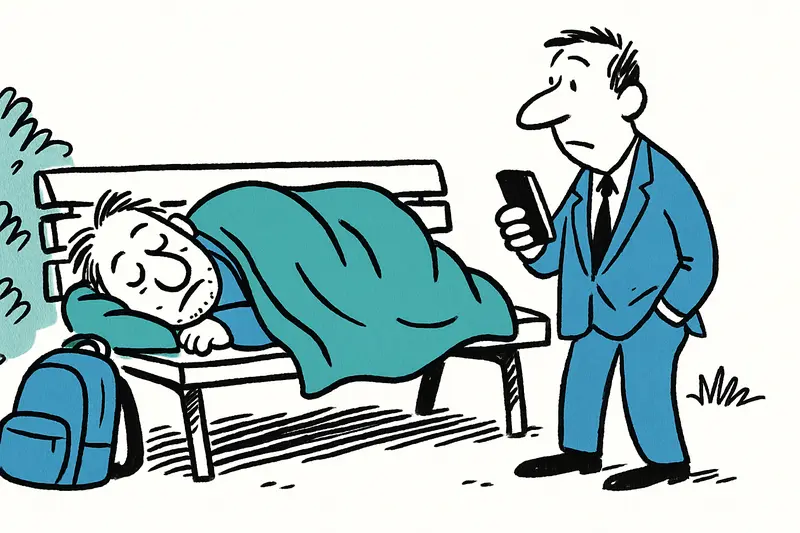
In the evening, when the last clatter of coffee service fades and the streetlights cast long shadows over the palms, a scene emerges that many would rather not see: On the long-used bench on Paseo Mallorca lies a bundle of blankets, a backpack, a pair of shoes neatly placed side by side. Exactly where tour buses stop by day, rental cars disappear into the underground garage and tourists take selfies, a person sleeps — jacket pulled protectively over their eyes while the irrigation systems quietly trickle and occasionally a delivery van rolls by.
The central question: Why does this situation persist?
This is not just an appeal to compassion. It is a planning and political question: Why is there a permanent presence of people without housing in the middle of Palma, even though there are social services, emergency shelters and municipal offerings? The answers are complex: skyrocketing rents, less social housing, seasonal work in tourism (When work no longer protects against sleeping outdoors: Palma at a social crossroads), bureaucratic hurdles and fragmented support services. Authorities often react sporadically — transports to emergency shelters, occasional inspections — but the result is frequently the shifting of the problem, not its solution.
The invisible things we all too easily ignore
What is hardly noticed in everyday life are the small survival strategies: clothes hidden in bushes during the day, the cool irrigation water used as a substitute for a shower, a shopping cart as an entire possession. Few people talk about the shame that accompanies those affected. Many passersby look away, some quickly take out their phones, few ask for a name. The social distance is tangible — the quiet laughter in a restaurant across the way, the calm breath of the person on the bench.
Aspects that rarely appear in the debate
In addition to the well-known causes, there are quiet but decisive factors: the opening hours of day centers are often too short, the service points are located on the outskirts, and coordination between health services, social workers and police is patchy. When people are "relocated" from the center, they lose contact with steady help and often return to prominent places, as described in Between Promenade and Cardboard Shacks: Can Pastilla on the Brink of a Social Crisis. Another point: owners and vacancy management are too rarely considered part of the solution — vacant apartments could help in the short term but remain unused.
What the city and civil society could do differently
Panicked actions that simply move people away from Paseo Mallorca achieve nothing. What is necessary are concrete, practicable steps that start quickly and have long-term effects:
1. Low-threshold night spaces: Public buildings that are not used at night could serve as safe sleeping places 24/7 — simple micro-sleep cabins or collectively usable sleeping rooms without elaborate bureaucracy.
2. Mobile social teams: Social workers regularly present on Paseo Mallorca, equipped with small material assistance, counseling services and clear pathways into permanent support, would prevent breaks in care.
3. Housing-first pilot programs: Fast, permanent housing instead of years of waiting — coupled with health and employment services to create real prospects.
4. Active vacancy management: Incentives for owners to rent short-term apartments or enable municipal interim uses — this requires clear rules and transparent data on vacant units.
5. Local partnerships: Cafés, shops and suppliers could become part of a network: a drink or hygiene pack, a note with phone numbers, or a fixed contact point in the neighborhood.
What Palma must do now
Sustainable progress is only possible if urban planning, social work and the neighborhood think together. Prevention must be strengthened: more social housing, targeted rent subsidies for vulnerable households, easy access to documents and health care. Public spaces should be designed so that promenades do not become alternative accommodation — without making people even more invisible.
And yes: small gestures from neighbors matter. Someone picking up their morning coffee to go can pause briefly, hand over a glass of water or a warm tea, pass on contacts to social services or sign up with a local initiative. Such encounters are not a cure-all — but they maintain connections and show that the city does not forget its people.
The park bench is not a natural occurrence, it is a symptom. If we begin to plan differently and act together, healing is possible.
Frequently asked questions
Why do some people sleep on benches in Palma, including on Paseo Mallorca?
What is the best time of year in Mallorca for swimming in the sea?
What should I pack for Mallorca if I want to be prepared for warm days and cooler evenings?
How serious is homelessness in central Palma?
Are there emergency shelters and social services for homeless people in Mallorca?
Why does homelessness sometimes stay visible on Paseo Mallorca instead of being solved?
What can residents and businesses in Palma do to help homeless people nearby?
What could Palma do to reduce homelessness in the long term?
Similar News
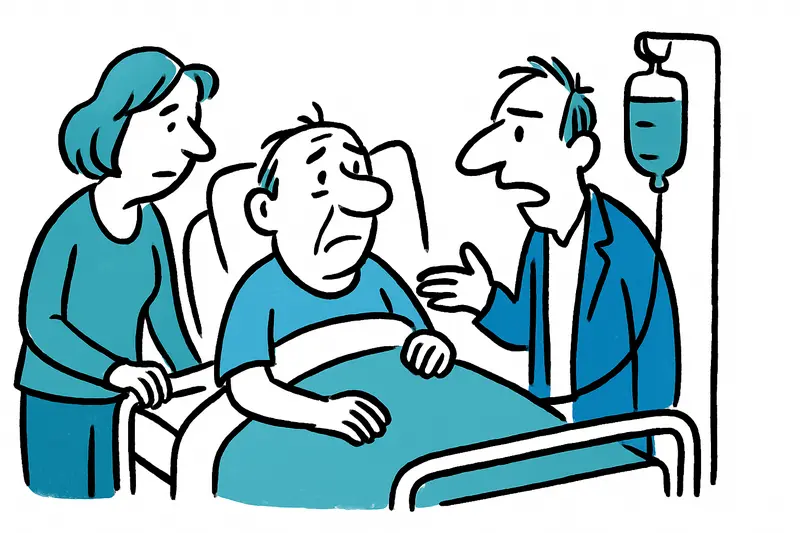
After Being Admitted to Hospital Again: Heinz Hoenig and the Questions We Should Ask in Mallorca
Long-time Mallorca resident Heinz Hoenig was admitted to hospital again. A clear “what next?” is missing from the covera...
Yellow Alert: Is Mallorca Prepared for the Next Rain Band?
Aemet has issued a yellow alert for the south, southwest and the island's interior. Thunderstorms and heavy rain are for...
Kegel brothers trial postponed: Why Mallorca must wait for a verdict
The trial of 13 German holidaymakers will not begin until May 2028. The long wait raises questions — for victims, defend...
Chaos on Palma's Runway: Why the Summer at the Airport Was So Disrupted
This summer laid bare where Palma airport is faltering: only just over half of departures were on time and seven percent...
Cocaine Offer on Ham Street: Why the Open Trade Should Ring Alarm Bells
In the middle of Pare Bartomeu Salvà a tourist was offered a packet of cocaine as part of a sunglasses deal. A short int...
More to explore
Discover more interesting content

Can Cap de Bou

Townhouse Lleo 72
