
Calvià opens beaches before season start: app loungers, outstanding invoices and what's really missing
Calvià opens beaches before season start: app loungers, outstanding invoices and what's really missing
Six beaches in Calvià are set to open before the season with loungers, umbrellas and app reservations. Why two coves remain closed and which questions are still unanswered.
Calvià opens beaches before season start: app loungers, outstanding invoices and what's really missing
A reality check on the early beach opening
Key question: Why are six beaches in Calvià being put back into operation already on the weekend with loungers, parasols and digital reservation, while Magaluf and Santa Ponsa are left out because of a contract dispute?
On La Romana beach in Peguera the sand lies smooth, a few dogs circle around, and garbage trucks flash at the edge of the promenade — this is how mornings start in many places these days. The municipality has announced that it will formally extend the service period to March 15 to November 30 and rebuild the infrastructure at six coves in southwest Mallorca: loungers, umbrellas, kiosks, cleaning services. At the same time it promotes the new booking function via an app, as reported in Calvià tests online booking for beach loungers: convenience or the end of spontaneity?, as a convenience for guests. That sounds like progress — but on closer inspection there are several uncertainties.
Critical analysis: Digital reservations are practical, but an app does not replace a municipality's basic contracting and control policy. The fact that two large beaches remain closed for the time being because the previous concession company is in arrears or the city administration has suspended the contract shows a lack of foresight. If Dahitini Events SL owes fees for two years and operation is therefore uncertain, this is a failure in tendering, credit checks and controlling. The direct consequences: business models of the beach kiosks, seasonal jobs and the trust of regular visitors come under pressure.
What is missing in the public debate: There is a lot of talk about loungers and apps, but hardly any about contingency plans in case an operator fails. Where is a transparent overview of outstanding claims, deadlines and responsibilities? How are beach operations supposed to be re-awarded at short notice without legal certainty and safety standards suffering? And: who guarantees that app bookings won't lead to double bookings, overcrowded areas or problems with barrier-free access?
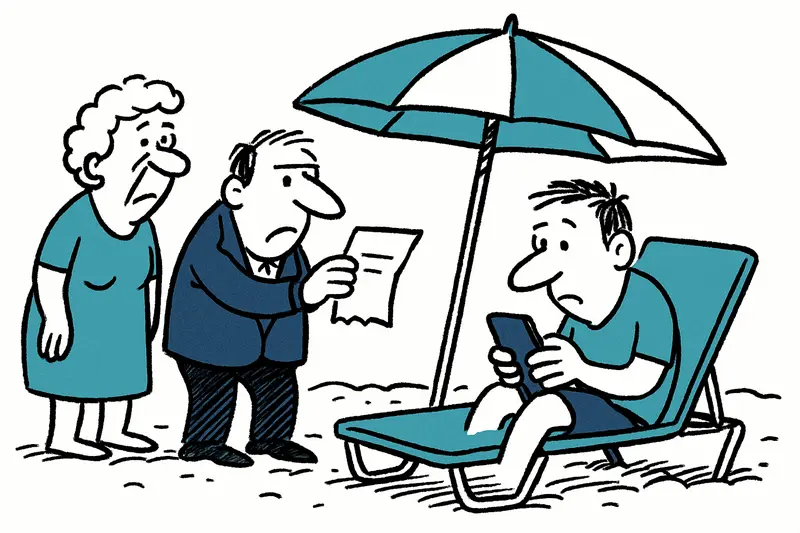
Concrete everyday scene: In the early afternoon a retiree from Palma strolls along the Paseo, stops in front of a kiosk that is still closed and frowns. A young father tries to reserve a lounger for the next day on his smartphone, but the app shows 'limited availability'. Such small moments take away people's confidence that administration and providers act in a coordinated way.
Practical solutions: First, the municipality must have a binding emergency concept — short- and medium-term tenders, temporary operating models through cooperatives or local businesses, and reserve financing to ensure staff and cleaning. Second: tenders should include stricter creditworthiness and performance clauses; security deposits or guarantees could prevent fee arrears. Third: the digital booking app (see Calvià Tests Digital Beach Reservations – End of the Towel Blockade?) needs an open protocol for inspection — at least for municipal officials and consumer advocates — so that double bookings, accessible zones and capacity limits are managed transparently. Fourth: a public overview of concession contracts and outstanding payments would reduce speculation and mistrust.
More eyes on the coastline: the island economy depends on stable infrastructure. If a municipality like Calvià expects countless visitors, it must manage the risks, not just the marketing. This includes regular audits, clearly formulated sanctions for delinquent operators and clear timetables for transition solutions. For workers this means planning security; for locals and guests it means reliable cleanliness, safety and accessibility.
Pointed conclusion: An app that books a lounger is no substitute for a solid beach policy. It is good that beaches like Peguera and Son Maties are being restocked, but the closed coves in Magaluf and Santa Ponsa are a warning: administrative action must become more preventive, transparent and citizen-focused. Otherwise the question remains: who will take care when the bill isn't paid — the municipality, the visitors or the taxpayers?
Frequently asked questions
When do the beaches in Calvià usually open for the season?
Can you reserve beach loungers in Calvià with an app?
Why are some beaches in Calvià open while Magaluf and Santa Ponsa are not?
What beach services are available in Calvià before summer starts?
What should visitors know before going to Peguera beach in Calvià?
Is Son Maties beach in Calvià open before the main season?
Why is Calvià using digital beach reservations at all?
What is the main problem with Calvià's beach management this season?
Similar News

When the Wallet Becomes a Danger: Attack in Peguera and Lessons for Mallorca
In Peguera, two women are said to have stolen the wallet from a 75-year-old German couple. When the victim intervened, t...
Plata stays Plata: Young people take over, Llonguets remain
A small bar on Carrer de l'Argenteria will continue: Tolo Serra hands the place over to young Mallorcans at the end of t...
Unnoticed in the Luggage Compartment: How a Boy Traveled More Than 100 Kilometers in a Team Bus
A minor traveled in the undercarriage of a team bus for more than 100 kilometers until his cries for help were heard. A ...

Cap Vermell Grand: Second Michelin Key – a Gift for the East
The Cap Vermell Grand in Capdepera has been awarded its second Michelin key. For the region this elevates the luxury off...

Eurowings lets four aircraft carry names – a friendly idea that also reaches Mallorca
Eurowings is launching a campaign: four Airbus A320s are to carry the first names of people who help others in everyday ...
More to explore
Discover more interesting content

Can Cap de Bou

Townhouse Lleo 72
