
Scandal in Palma: Allegations Against Cosmetic Clinic – A Reality Check
Investigations into a clinic in Palma: Allegedly, surgeries were performed without an approved operating theatre, by non-specialized personnel and with reused ampoules. A reality check.
Scandal in Palma: Allegations Against Cosmetic Clinic – A Reality Check
Key question: How could it happen that major procedures apparently took place outside approved operating rooms and without the appropriate qualifications?
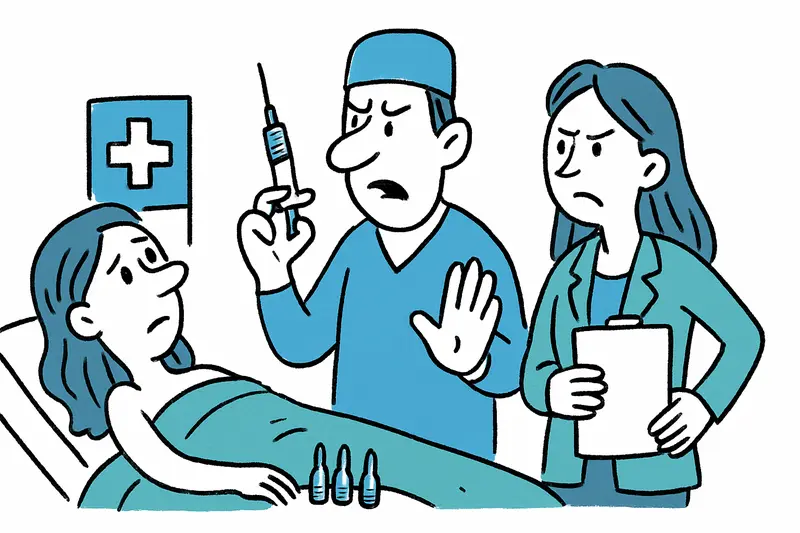
On the edge of Palma's city centre, where the cathedral bells ring over Passeig del Born in the morning and the smell of espresso mixes into the air, there is a clinic that is now the focus of the national police. A complaint alleges that liposuctions, eyelid surgeries and breast fat transfers were carried out under anaesthesia in the premises of the facility – apparently without an approved operating theatre. A witness has handed over photos and videos; investigators are currently securing medical records and further evidence.
In short: the allegation is that medical standards were bypassed. Also mentioned are the reuse of opened hyaluronic acid ampoules and the involvement of a doctor who is not registered as a specialist in plastic surgery. Even the clinic director is said not to have medical qualifications. Such accusations touch not only legal questions but patient safety, trust and the reputation of the island's healthcare system.
Analysis: Medically and legally this is problematic. Major surgical procedures under general anaesthesia are generally subject to certain spatial and technical minimum requirements. The absence of sterile operating rooms increases the risk of wound infections, bleeding complications and other problems. Reusing opened ampoules contradicts basic hygiene rules and can cause cross-infections. If a practitioner does not have specialised training, liability questions arise: who takes responsibility when something goes wrong?
What is often missing in public discourse is the perspective of those affected, clear figures on inspections and sanctions in Mallorca, and the role of licensing authorities. There is much talk about individual cases, but less about systemic weaknesses, as discussed in Illegal Filler Treatments: Why Palma Must Crack Down Harder on the Beauty Black Market: How often do practices repurpose premises? How are proofs of qualifications checked? Where can potential patients turn if they feel uncertain?
A scene of everyday life to put this in context: In the morning a bus travels along Plaça Joan Carles I, craftsmen hammer, tourists stroll. Beyond this routine, people sit in small offices being pitched treatments that are often cheaper than in a hospital. The temptation to accept shortcuts grows when consultations are short, prices are tempting and certificates are not readily verifiable.
Concrete solutions that would help authorities, clinics and patients: First, mandatory notices in practices with clear information on qualifications, registration and operating-room approval. Second, regular unannounced inspections by health authorities with published reports. Third, an easily accessible island-wide patient hotline for reporting unsafe practices and for pre-procedure advice. Fourth, stricter enforcement of single-use rules for injection materials and clearer sanctions for violations. Fifth, mandatory informed-consent discussions documented in writing that clearly explain risks, alternatives and the operator's qualifications.
For doctors and clinic operators this means not only additional work, but in the long term more trust. For patients these are protective measures that safeguard life and health. The island benefits from clear rules: Mallorca also relies on medical tourism and on people who settle here permanently – quality matters both economically and humanely.
Sharp conclusion: If the allegations are confirmed, this is more than a single fault – it is a warning sign for controls and transparency. Anyone going under the knife must be able to be sure that rooms, instruments and personnel are certified. The investigation will show whether that was the case here. Until then there is only one thing to do: be vigilant, ask questions, demand proof – and when in doubt, book an appointment at a hospital rather than opting for the cheaper studio around the corner, as illustrated in When the bargain leads to the hospital: Medical fraud in Palma and what now needs to change.
Frequently asked questions
What is the weather usually like in Mallorca in late April?
Can you swim in Mallorca in spring?
What should I pack for a trip to Mallorca in late April?
Is late April a good time to visit Mallorca?
What is Port d'Andratx like in late April?
What is Palma de Mallorca like in spring?
Is Mallorca crowded in late April?
Can you still enjoy the beach in Mallorca if the sea is cool?
Similar News
When the Wallet Becomes a Danger: Attack in Peguera and Lessons for Mallorca
In Peguera, two women are said to have stolen the wallet from a 75-year-old German couple. When the victim intervened, t...
Plata stays Plata: Young people take over, Llonguets remain
A small bar on Carrer de l'Argenteria will continue: Tolo Serra hands the place over to young Mallorcans at the end of t...
Unnoticed in the Luggage Compartment: How a Boy Traveled More Than 100 Kilometers in a Team Bus
A minor traveled in the undercarriage of a team bus for more than 100 kilometers until his cries for help were heard. A ...

Cap Vermell Grand: Second Michelin Key – a Gift for the East
The Cap Vermell Grand in Capdepera has been awarded its second Michelin key. For the region this elevates the luxury off...

Eurowings lets four aircraft carry names – a friendly idea that also reaches Mallorca
Eurowings is launching a campaign: four Airbus A320s are to carry the first names of people who help others in everyday ...
More to explore
Discover more interesting content

Can Cap de Bou

Townhouse Lleo 72
