
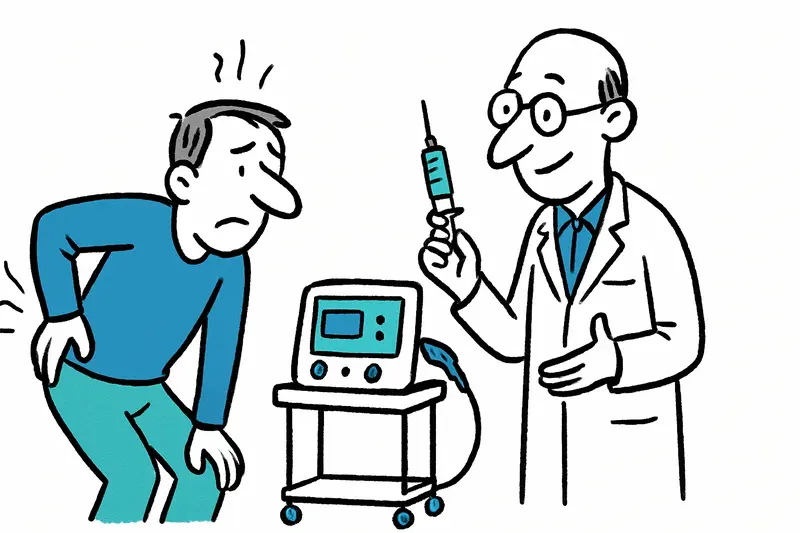
Regenerative Therapies in Palma: A New Approach to Back Pain
In Palma's Nou Llevant, a team led by Dr. Heiko Miguel Diedrich offers regenerative treatments: PRP injections, shockwave therapy and targeted traction aim to gently relieve pain and help avoid surgery.
Regenerative Therapies in Palma: A New Approach to Back Pain
How modern orthopedics in Nou Llevant offers patients a real alternative to surgery
On a clear afternoon in Palma—temperatures around 25°C, the cafés on Avinguda Mèxic casting shade, and the hum of scooters mingling with the scent of espresso—stands a small clinic building that has been visited more frequently in recent years: patients with chronic back and joint pain. Here Dr. Heiko Miguel Diedrich works with a team that focuses on regenerative, as body-friendly as possible treatments.
Instead of immediately turning to surgical solutions, the practitioners rely on a combination of diagnosis, targeted injection therapy, mechanical unloading and subsequent active rehabilitation. The approach: as few foreign substances as possible, as precise as possible, with the goal of promoting self-healing.
The clinic address Avinguda Mèxic 15 is no coincidence: passersby hear the city—buses, conversations in Mallorcan, bicycle bells—and at the same time see how clinic visits have become part of everyday life. Many bring a long history of recurring pain; others come because they want to avoid surgery or no longer trust previous therapies to be sustainable.
Diagnostic work is central. In consultation the team asks detailed questions: when does the pain occur, what relieves or worsens it? The histories are complemented by manual tests, X-rays performed in the practice and, if necessary, further imaging. Only in this way can an appropriate treatment plan be put together.
Technology plays a role. A device for targeted traction is used to gently unload discs and spinal segments. Shockwave therapy is another component: mechanical impulses are intended to improve blood flow and support local regeneration. Crucial, however, are injections with autologous blood preparations (PRP) or collagen-based agents, which are placed with ultrasound guidance to millimeter precision.
With the PRP procedure, blood is taken from the patient, processed and re-administered in varying concentrations; see the Mayo Clinic guide to PRP therapy for an overview. The clinic has several centrifuges available to produce the appropriate composition depending on the indication. Because the material is autologous, the side-effect profile is often lower than with synthetic alternatives.
From the practice you hear of many years of experience: the team has been working with these methods for over a decade and reports high patient satisfaction. Openness remains important: every treatment is individually tailored, and there are clear criteria for reassessing concepts if success does not occur.
After the interventions, the patient's work at home begins. Targeted exercise therapy, self-directed exercises or guided physiotherapy—such as Mallorca Mindful Movement: A Quiet Place for Strong Bodies and Relaxed Souls in Can Pastilla—are intended to correct poor posture, stabilize the musculature and prevent relapses. Without this active participation, many effects would remain only temporary.
A common tip from the clinic: small, regular movements beat larger, sporadic training sessions. Those who deliberately activate their core muscles for five minutes in the morning notice more stability over weeks. Devices such as TENS for supportive pain control are also recommended—as a complement, not a substitute for movement.
Why is this good for Mallorca? Because such offers expand the range of care options, as discussed in Regenerative Tourism in Brussels: Vision or Wishful Thinking?: patients do not always have to think only in terms of the public system—painkillers, physiotherapy or late-stage surgeries. Local, minimally invasive options can improve quality of life and reduce hospital interventions.
For the island this also means: fewer lost workdays in businesses, shorter journeys for those seeking quick help, and for many tourism and service companies it is an advantage when employees with back problems do not have to be absent for months. This is part of broader medical and beauty tourism trends described in Beauty Tourism in Mallorca: Between Clinic Luxury, Cryo Chambers and Everyday Life.
To schedule an appointment: the clinic can be reached by phone and e-mail; standard consultation hours and individual appointments are offered. Before deciding on a therapy, a detailed discussion and realistic expectations are recommended—regeneration takes time, and success often depends on several factors.
A brief outlook: interest is growing in Mallorca for treatments that use the body's processes instead of permanently replacing them. Those who stay active, pay attention to ergonomic habits and reduce stress have the best prospects. In Palma's streets the city continues to be heard: people who want to walk, work and live again—and for some, regenerative medicine has become a reliable way to get there.
Frequently asked questions
What are regenerative treatments for back pain in Mallorca?
Can back pain be treated without surgery in Palma?
What is PRP therapy and is it used in Mallorca for joint or back pain?
What should I expect during a regenerative back pain consultation in Palma?
Does regenerative therapy for back pain in Mallorca replace physiotherapy?
Who might benefit from regenerative back pain treatment in Palma de Mallorca?
Are regenerative back treatments in Mallorca usually quick, or do they take time?
Is Avinguda Mèxic in Palma a common area for medical clinics?
Similar News
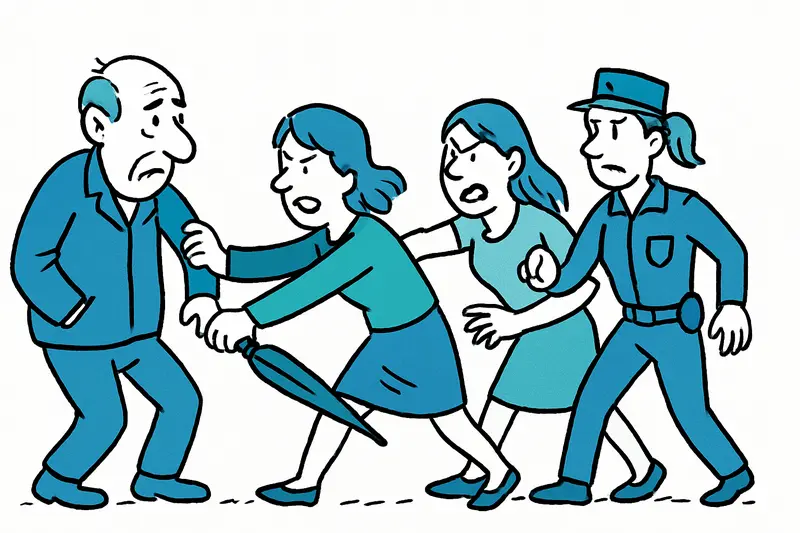
When the Wallet Becomes a Danger: Attack in Peguera and Lessons for Mallorca
In Peguera, two women are said to have stolen the wallet from a 75-year-old German couple. When the victim intervened, t...
Plata stays Plata: Young people take over, Llonguets remain
A small bar on Carrer de l'Argenteria will continue: Tolo Serra hands the place over to young Mallorcans at the end of t...
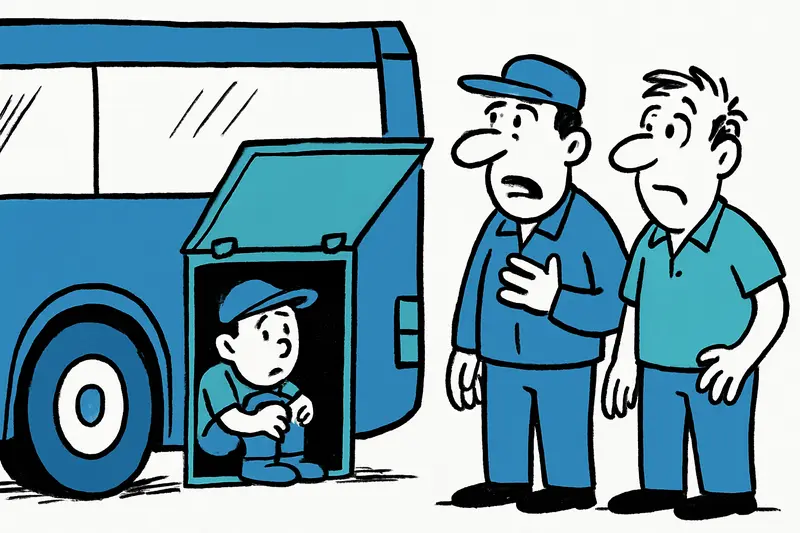
Unnoticed in the Luggage Compartment: How a Boy Traveled More Than 100 Kilometers in a Team Bus
A minor traveled in the undercarriage of a team bus for more than 100 kilometers until his cries for help were heard. A ...

Cap Vermell Grand: Second Michelin Key – a Gift for the East
The Cap Vermell Grand in Capdepera has been awarded its second Michelin key. For the region this elevates the luxury off...
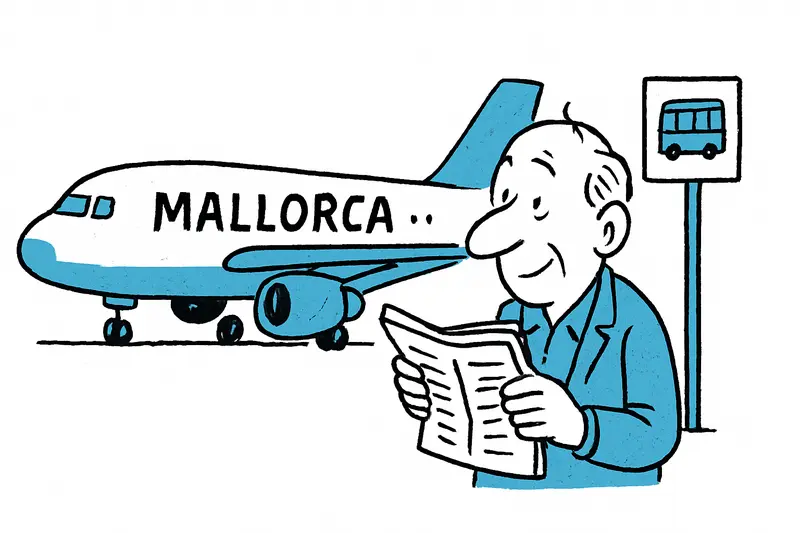
Eurowings lets four aircraft carry names – a friendly idea that also reaches Mallorca
Eurowings is launching a campaign: four Airbus A320s are to carry the first names of people who help others in everyday ...
More to explore
Discover more interesting content

Can Cap de Bou

Townhouse Lleo 72
