
When the Island Consoles: Tim Mälzer Visits Old Friends near Alcúdia and Shows His Vulnerability
When the Island Consoles: Tim Mälzer Visits Old Friends near Alcúdia and Shows His Vulnerability
In the new 'Kitchen Impossible' episode, Tim Mälzer returns to an olive oil family near Alcúdia. The encounter becomes personal: memories, gratitude and an open display of emotions.
When the Island Consoles: Tim Mälzer Visits Old Friends near Alcúdia and Shows His Vulnerability
A TV chef recalls a refuge in Majorca and a person who meant a lot to him
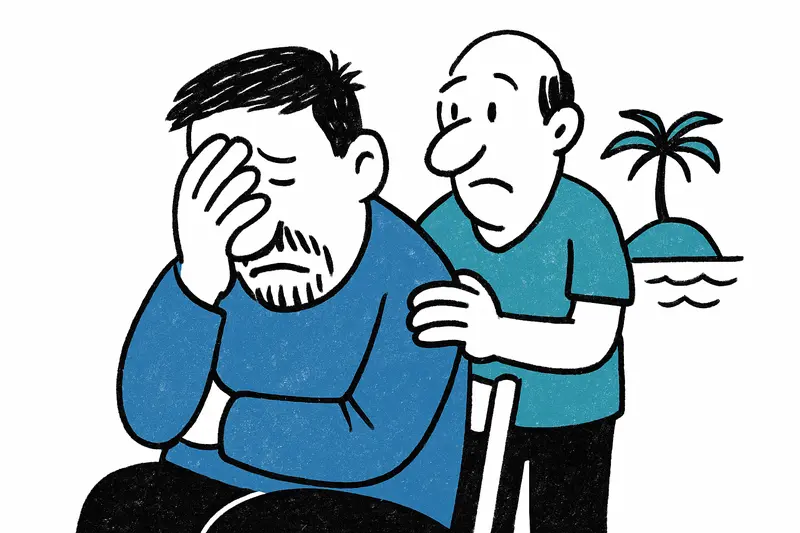
On Majorca there are places where the sea sounds quieter and people give you back your breath — places you return to when life becomes too loud. In the latest episode of the cooking show, partly filmed on the island, Tim Mälzer visited an olive oil family near Alcúdia. The encounter was not superficial: a photo, the name of the deceased head of the family and memories brought visible emotion to his face.
The finca, which Mälzer had used for a time as a retreat, belongs to the Solivellas family. According to him, he went through a period there when he could no longer work normally and needed distance. The Majorcans who live in such estates know how strangers quickly become listeners: a plate, a siesta, hands that help with the work — and someone who is simply there after a long day. So tell the old neighbors in the town centre of Alcúdia, where you can hear the church bells in the evening and the smell of freshly baked ensaïmada sometimes drifts to the promenade.
In the TV scene the chef did not break down out of sensationalism but out of gratitude and vulnerability. He talks about the people who supported him back then, and about one thing that still bothers him today: he could not attend the funeral. Such small things gnaw longer than you think. Anyone strolling through Alcúdia's old town on a late morning sees it in miniature: tourists ordering a late breakfast, locals playing cards on the plaza, and rare moments when strangers become confidants.
That a well-known TV chef shows his feelings publicly is not a risk for the island, but a reminder of how closely life and work are often linked here. Mälzer has been connected to Majorca for years: he previously owned a finca in the southeast of the island and in recent years has acted as an advocate for Majorcan olive oil. Such ties bring attention to local producers; they are not loud advertising campaigns but rather small bridges between kitchens on the mainland and the oil mills here.
During his visit to Alcúdia Mälzer was not an anonymous guest: he was recognised on the promenade by the harbour, there were selfies and autographs — scenes often seen on sunny days when a new reality show brings familiar faces from Mallorca together walk through the narrow streets. But more important than the autographs are the conversations behind closed finca doors: about harvest times, winter weather, the quality of the new vintages. An olive oil farm is an open book; its pages are work rhythms, family celebrations and stories of generations who live with earth and wind.
For Majorca such attention is both a gift and practical, as cultural figures such as Chris Brandon comes to Mallorca: 'The island spirit stays with me' illustrate. When names are linked to local products, not only producers benefit from greater interest, but also the island's culture: visitors learn that behind the shiny bottle of oil there is a whole community. Those curious go a bit inland from the harbour, buy a bottle at the molino around the corner and talk to the producer — that strengthens the local economy and preserves traditional craftsmanship, and echoes stories of newcomers such as Emigrants on the Island: Two Couples Start Anew – How Mallorca Benefits.
A small everyday observation: on a mild afternoon last week at Alcúdia's weekly market I heard a vendor explaining oil samples to a young couple and waving yellowed photos of past harvests. That's how connections are made, not with grand gestures but with taste and stories. What the chef showed in the programme — humanity, remembrance, public gratitude — fits exactly here.
What remains after such episodes? Not tabloidism, but an invitation. An invitation to visit producers, travel with open ears and give space to the people behind the product. The island is not a cure, but a place where many things can be put right again. For visitors and residents that means: look, taste, respect.
And for anyone who needs a little inspiration: on your next walk through Alcúdia it's worth buying a bottle of extra virgin oil directly from the producer, exploring the surroundings and talking to those who live here. Such encounters are what make Majorca special — quiet, patient and genuine.
Why this is good for Majorca: The episode brings attention to local producers, recalls neighbourhood solidarity and shows the island as a place where people can support each other. That strengthens small businesses and makes stories of origin and craft visible.
As an aside: when the sun lies low over the bay in the early evening and the seagulls cry, you quickly notice how close everyday life and big emotions are here.
Frequently asked questions
What is the best time of year to visit Mallorca if you want quiet beaches and a slower pace?
Can you still swim in Mallorca outside the peak summer months?
What should I pack for a trip to Mallorca in spring or autumn?
Why do people say Mallorca is a good place to slow down?
What is Alcúdia like for visitors who want more than the beach?
Is Alcúdia old town worth visiting in Mallorca?
Where can I buy local olive oil near Alcúdia in Mallorca?
Why are Mallorca’s local producers so important to visitors?
Similar News

When the Wallet Becomes a Danger: Attack in Peguera and Lessons for Mallorca
In Peguera, two women are said to have stolen the wallet from a 75-year-old German couple. When the victim intervened, t...
Plata stays Plata: Young people take over, Llonguets remain
A small bar on Carrer de l'Argenteria will continue: Tolo Serra hands the place over to young Mallorcans at the end of t...

Unnoticed in the Luggage Compartment: How a Boy Traveled More Than 100 Kilometers in a Team Bus
A minor traveled in the undercarriage of a team bus for more than 100 kilometers until his cries for help were heard. A ...

Cap Vermell Grand: Second Michelin Key – a Gift for the East
The Cap Vermell Grand in Capdepera has been awarded its second Michelin key. For the region this elevates the luxury off...
Eurowings lets four aircraft carry names – a friendly idea that also reaches Mallorca
Eurowings is launching a campaign: four Airbus A320s are to carry the first names of people who help others in everyday ...
More to explore
Discover more interesting content

Can Cap de Bou

Townhouse Lleo 72
