

Hug scam on the beach: €3,000 chain, departure order – and what's still missing
Hug scam on the beach: €3,000 chain, departure order – and what's still missing
Two arrests after several thefts in Calvià and Andratx: victims, including a German woman, lost valuables. A judge imposed a ban on residing on the island and a 24-hour deadline to leave. When it comes to prevention and victim support, much remains unresolved.
Hug scam on the beach: €3,000 chain, departure order – and what's still missing
Judicial measures against two suspects do not solve all problems around pickpocketing
The facts are clear: recently the Guardia Civil arrested two people who are accused of multiple thefts in the municipalities of Calvià and Andratx. Known incidents include a German holidaymaker in Palmanova, from whom, according to investigators, a gold chain worth around €3,000 was ripped from her neck. The act is said to have been committed using the so-called "hug scam"; on another occasion the duo apparently used a distraction tactic to steal a British traveller's wallet from her backpack. The woman also had an outstanding arrest warrant from Barcelona. This case echoes other coverage in the area, such as Nearly One Million Gone: Jewelry Heist on Paseo Borne and the Open Questions.
An on-duty judge responded with strict measures: the accused were forbidden from settling on Mallorca and were given a maximum of 24 hours to leave the island. Such rapid actions give victims of crimes a certain sense of justice. At the same time, they raise important questions that are often overlooked in public debate.
Key question: Are departure orders and the short-term removal of alleged repeat offenders enough to make everyday life on beaches and promenades safer? The answer is complex. Judicial exclusion zones and temporary expulsions can keep offenders away from the immediate area. But they do not automatically target the structures that often underlie repeated theft series: organised gangs, travel chains across several regions of Spain, or people who return after a short time to look for new victims.
Critical analysis: the chain of action — reports, investigations, identification from photos, arrest — worked in this case. It shows that police and judiciary can work hand in hand. But the measure does not end with the arrest. A departure order is only effective as long as it is enforced. Which mechanisms ensure that those affected actually leave the island? Are outstanding arrest warrants from other provinces, like the one mentioned from Barcelona, executed promptly? These points often remain opaque; similar questions were raised in coverage such as Palma: How a crypto scheme nearly swallowed €68,000 — and why victims became helpers.
What is missing from the public debate: discussions about victim support, prevention and the sharing of information are underrepresented. Who supports older tourists after an incident? How quickly do they receive help, replacement documents or information on how to file a report? And: why are there still no uniform, easily found notices at popular beaches — in several languages — warning about exactly these tricks? When sitting on the promenade in Palmanova, listening to the sea and watching vendors pass by, one wants fewer headlines and more practical clarity on site; local reportage has highlighted similar concerns, for example Beach robbery in Illetes: When a moment ruins a holiday.
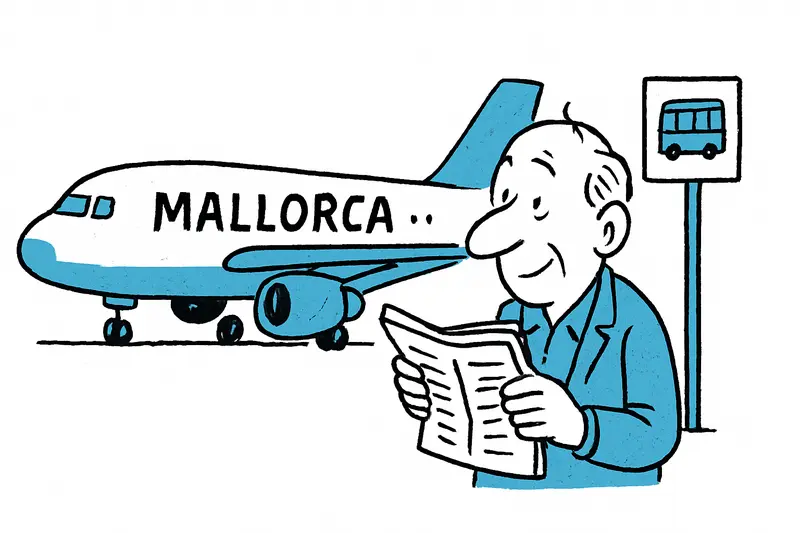
Everyday scene from Mallorca: a morning in Palmanova — sun umbrellas, children, a city bus braking and the scent of sunscreen. Older holidaymakers read on benches, some in German, some stroll with bags on their arms. This relaxed proximity makes the island lovable — and it is exactly this that trick thieves exploit: a fleeting hug, a smile, an offer to take a photo — and in the next moment the chain or wallet is gone. The scene seems familiar and harmless until someone ends up empty-handed.
Concrete solutions that go beyond criminal sanctions: First, a visible presence campaign on weekends and during the high season, coordinated between the Guardia Civil, Policía Local and beach wardens. Second, informational material in German, English and Spanish at hotel receptions, tourist offices and beach accesses with clear tips (no conspicuous jewellery, keep bags closed and worn on the body, store valuables in photo-safe compartments). Third, training for employees in tourism businesses and landlords so they can recognise signs of suspicious behaviour and react appropriately. Fourth, faster digital reporting options for victims with reference functions: photos of suspects, hotlines and a simple guide on how to file a report. Fifth, stronger exchange of investigation data between provinces — an outstanding warrant from Barcelona must not be delayed by a processing backlog.
Another pragmatic suggestion: local campaigns that target habitual behaviour more than fear. Short videos on promenade displays, humorous posters with concrete safety tips and a small information sheet at car rental companies could raise awareness without unsettling the flow of guests.
Pithy conclusion: tough judicial measures and successful arrests are important, but they are only part of the solution. Without preventive, visible work on the beach and promenade, without clear victim support and without better coordination between authorities, the island remains vulnerable to the same patterns. Mallorca needs fewer short-lived headlines and more lasting practices that both protect travellers and preserve the open, familiar atmosphere many seek here.
Frequently asked questions
What is the weather like in Mallorca in spring?
When is the best time to visit Mallorca for warm weather without the summer crowds?
Can you still swim in Mallorca outside the summer months?
What should I pack for a trip to Mallorca in the shoulder season?
Is Palma de Mallorca good for a short city break?
What is Sóller like for visitors to Mallorca?
Is Alcúdia a good place for families in Mallorca?
What kind of Mallorca trip suits a quiet getaway in the countryside?
Similar News

When the Wallet Becomes a Danger: Attack in Peguera and Lessons for Mallorca
In Peguera, two women are said to have stolen the wallet from a 75-year-old German couple. When the victim intervened, t...
Plata stays Plata: Young people take over, Llonguets remain
A small bar on Carrer de l'Argenteria will continue: Tolo Serra hands the place over to young Mallorcans at the end of t...

Unnoticed in the Luggage Compartment: How a Boy Traveled More Than 100 Kilometers in a Team Bus
A minor traveled in the undercarriage of a team bus for more than 100 kilometers until his cries for help were heard. A ...

Cap Vermell Grand: Second Michelin Key – a Gift for the East
The Cap Vermell Grand in Capdepera has been awarded its second Michelin key. For the region this elevates the luxury off...
Eurowings lets four aircraft carry names – a friendly idea that also reaches Mallorca
Eurowings is launching a campaign: four Airbus A320s are to carry the first names of people who help others in everyday ...
More to explore
Discover more interesting content

Can Cap de Bou

Townhouse Lleo 72
