
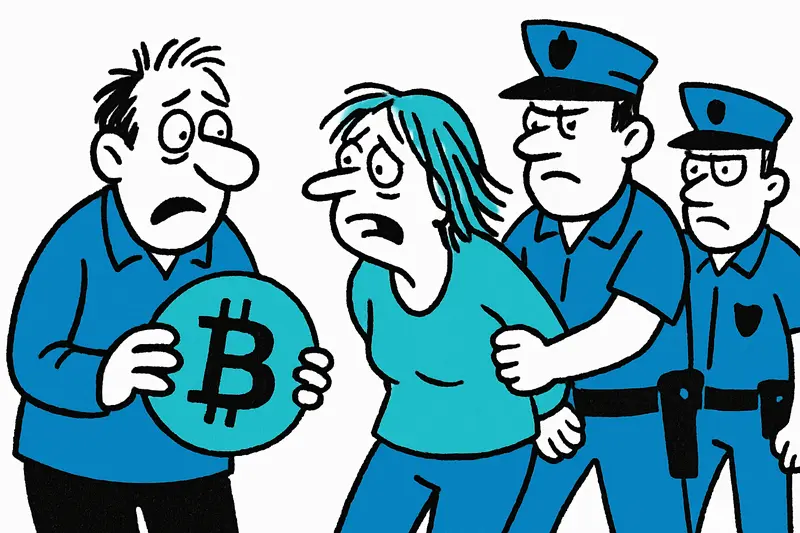
Palma: How a crypto scheme nearly swallowed €68,000 — and why victims became helpers
In Palma the police arrested a woman: investigators speak of fake crypto investments and nearly €68,000 was transferred to foreign wallets. The unusual twist: the accused was first a victim herself. What is behind the scheme — and how can it be stopped?
Arrest in Palma: €68,000 through a crypto trick — a woman in custody
On a hot morning, not far from the Plaça Major, the police stopped a car. Market stalls rattled along the dusty street, a scooter passed by somewhere, and neighbours paused with worried looks as officers led a woman away. Investigators speak of fake crypto investments; the amount that, according to current findings, flowed into foreign wallets is almost €68,000 — split into two sums of €50,000 and €18,000, as noted in Palma: mujer detenida — casi 68.000 euros perdidos por estafa con criptomonedas.
The key question: How does a victim become an intermediary?
The peculiar thing about this case is not only the scale of the loss but the role of the arrested woman. According to investigators, she was initially herself targeted by a similar scheme. Later she is said to have been recruited by the fraud group to act as a trusted person to lure new investors. The central question is: why do people who were deceived often end up picking up the phone to recruit others?
The answer lies in several often underestimated mechanisms: shame and the desire to recoup losses; manipulation by charming or coercive recruiters; and not least the illusion that one can "outsmart" the platform once familiar with it. In Mallorca, where familiar voices are quickly trusted among neighbours, this social capital works particularly well — a favour between acquaintances becomes an entry ticket for fraudsters, a pattern also seen in other phone-based campaigns described in Palma and the Extortionists: How a Phone Call Changes Lives — and What Must Happen Now.
How the scam worked — a look behind the scenes
Investigations reveal a recurring pattern: success stories appear in messenger groups, initial alleged gains are displayed, and suddenly time pressure is applied through supposed deadlines or "exclusive" offers. Victims report that small withdrawals at the start appeared genuine — until they were asked to send larger sums to foreign wallet addresses. The blockchain may seem transparent, but for laypeople the trail is often impossible to follow; and once a transaction has been sent, most people are left helpless.
What reports show less often are the organisational structures behind it. Often there are international groups that divide roles — technicians for the platform, social engineers for outreach, local contact people who build trust. This division of labour gives an impression of professionalism that made the woman at the edge of the arrest describe the operation as "very professional."
Aspects that are rarely discussed enough
First: the social component. Fraudsters exploit relationships in small communities, and those who discuss investments with their neighbours in Palma are particularly at risk. Second: the role of regulatory gaps. Cryptocurrencies offer speed but also loopholes — money can move across borders within minutes; the National Police have raised concerns about rising fraud in the islands in Balearic Islands Under Attack by Crypto Scammers: A Reality Check for the Island. Third: the psychological dynamics — fear of loss and vanity drive people to risk ever larger amounts.
Often little attention is paid to aftercare: many victims do not report the crime because they are ashamed. But without a Denuncia the police have fewer levers; banks and exchanges often can only act once a formal complaint has been filed, a weakness also highlighted in other major fraud cases reported in Palma on Trial: The Major Real Estate Fraud and the Question of Justice. That delays investigations and reduces the chances of recovering funds.
Concrete actions — what affected people should do now
The police recommend the usual steps: file a report, secure evidence (screenshots, chat logs, account statements), inform your bank and the exchange used. This can be supplemented with pragmatic measures:
1. Act quickly: Transactions are often irreversible within minutes. The sooner victims report, the more likely exchanges or banks can check accounts and freeze transactions.
2. Collect technical information: Wallet addresses, transaction IDs and all chat histories are gold for blockchain forensics. The blockchain is public — but the right analysis requires expertise.
3. Don’t rely on yourself alone: For large sums, consult local financial advisors, the Guardia Civil or consumer protection agencies. In Mallorca there are neighbourhood networks where people inform each other — use them.
4. Prevention: Do not share private wallets with strangers, never give out seed phrases, use only regulated exchanges and be sceptical of guarantees. A simple rule: returns that sound too good to be true most likely are.
5. Public awareness: Authorities could offer targeted information directly at the marketplace, in community halls or via local radio — short notices in cafes along the Passeig del Born would do more good than specialist articles online.
A personal word from the editorial team
I see this again and again: a sparkling screenshot, the scent of quick money, and a risky decision is made. In Mallorca we like to talk about good deals — often over a café con leche in the morning while delivery trucks circle the plaza. My advice: sleep on it, ask someone knowledgeable, and when in doubt be suspicious. Shame is a poor adviser; filing a report can help prevent harm to others.
Investigations in Palma are ongoing. Authorities are gradually releasing identifying details of the arrested woman and other possible suspects. Anyone with information should contact the local police — and not hesitate, even if it is uncomfortable: only this way can the web of such schemes be untangled.
Frequently asked questions
How do crypto investment scams usually work in Mallorca?
What should I do if I think I was tricked by a crypto scam in Mallorca?
Can money sent in a crypto scam be recovered?
Why do some scam victims end up recruiting other people?
Are crypto scams in Mallorca usually run by local people?
Is it safe to trust investment tips from friends or neighbours in Mallorca?
What are the warning signs of a fake crypto investment offer?
Where in Palma do people tend to hear about these scams?
Similar News

Why the Striped Breams in Cala Pí Should Be a Wake-up Call
Once again bathers in Cala Pí were surrounded while swimming by small, nippy fish — some wounds bled. Time for clear rul...

Daily from New York: How Palma's Air Traffic Is Growing — and What Must Change
United will increase the Newark–Palma service to daily flights in 2027 (Boeing, 231 seats). Strong tourist numbers clash...

When Love Ends in Shards: Destruction in Son Vida and the Questions That Remain
In Son Vida a relationship dispute escalated: a woman destroyed furniture in a luxury villa, later pressed a panic butto...

Who Bears the Burden? Mallorca Between Tenant Protection and Landlord Fears
Madrid's new housing decrees strengthen tenant rights — but on Mallorca concern is growing: will the law drive small lan...
On the Edge: What Mallorca's Airport Loses If a Major Low-Cost Carrier Falters
The company that operates numerous connections from Palma to France and domestically is negotiating with creditors to re...
More to explore
Discover more interesting content

Can Cap de Bou

Townhouse Lleo 72
