
Wire instead of Dialogue at Es Carbó: When Residents Close Off the Shore Themselves
Wire instead of Dialogue at Es Carbó: When Residents Close Off the Shore Themselves
Unknown people have put up barbed wire and signs at the Es Carbó nature beach near Colònia de Sant Jordi. How dangerous is civilian protest for coastal protection?
Wire instead of Dialogue at Es Carbó: When Residents Close Off the Shore Themselves
Key question: Does courageous civilian resistance protect the coast – or does it create new dangers?
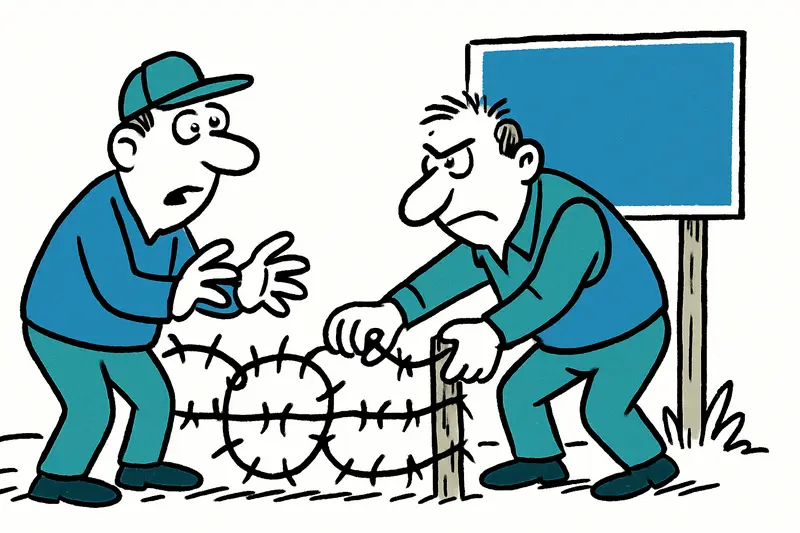
Early on Sunday morning, walkers from Colònia de Sant Jordi encountered an unusual sight: freshly installed prohibition signs and sections of barbed wire lay on the path to the Es Carbó nature beach. The signs read “Es Carbó belongs to us forever! No tours to our beaches” – a message that clearly expresses anger about guided tourist groups. Platja d'es Carbó is a protected coastal area, popular with day-trippers, photographers and people seeking peace. That someone has now taken matters into their own hands brings the debate from the beach straight into the streets of the community.
The images are stark: bright sand, blue water, and rusty wire in between. Islanders have heard of scenes like this before, but this time a new risk is in the air. Barbed wire on an access path is not only a political statement; it is an immediate danger to children, dogs and elderly people who walk there. Who organised the protest is not officially known yet. The fact is: guided tours in the affected coastal section have been offered for about a week, and some residents see that as the cause of their anger, as noted in Trouble in Es Carbó: How many boats can the small bay handle?.
The action raises several questions. First: Who practically and legally owns the coast? Second: Do blockades provide sustainable protection or do they drive parties further apart? And third: How will the authorities react – with prevention, legal enforcement or dialogue?
On the first point: the beach's protected status means there are rules for use and interventions. Access restrictions, activities requiring permits and conservation conditions exist, but they only work if enforced. Public debate often lacks a clear calculation: protected areas are not omnipotent signs, they need staff, controls, as residents have demanded in Es Carbó between swimmers and anchor chains: Residents demand more controls, and transparent rules so that illegal commercial offers do not destroy the delicate balance.
The residents' initiative shows how pent-up frustration can spill into direct action. In Colònia you hear the fishermen unloading their catch in the morning and see pensioners reading newspapers in the shade of the pines. These people experience the annual pulse change: in winter the promenade is relaxed, in summer buses and boats crowd in. It is understandable that tensions rise. But barbed wire does not solve the problem – it shifts it into legal and safety-related hazard zones.
What is still missing in the public conversation? Three things stand out: first, transparent numbers on permitted boat landings and guided groups in protected areas; second, a clear map showing where commercial operators are allowed to land and where they are not; third, a platform where residents, the municipal council and tourism companies can negotiate conflicts in a moderated way. Instead, we often only experience noise: complaints, reports, and then silence again until the next conflict arises.
Concrete proposals are not glamorous, but they are practical. The municipality could, in coordination with conservation authorities, designate landing and access points and control them. Temporary permits for tourist boat trips with binding conditions (maximum group size, fixed anchoring spots, obligation to inform about conservation rules) would regulate commercialisation. A local reporting system – a phone number or an app – could indicate illegal landings in real time so that response and documentation become possible.
At the same time, two short-term measures are needed: the immediate removal of dangerous barriers by the competent authority and an information campaign at landing sites and in harbours to respectfully inform visitors about the sensitivity of small coves. Education helps: many tourist groups simply don't know why certain areas are vulnerable. Clear, well-visible signs at the harbour and boat operators who point out sensitive areas before departure reduce conflicts.
Legally, vigilance is required. Whoever damages public space or creates dangers for people exposes themselves to criminal or civil liability. That applies to individual actions as well as to permanently illegal offers. Authorities should examine whether fines or criminal proceedings need to be initiated in this case – but that must not be the only response. Repressive measures without dialogue foster counter-tensions in which neighbours stand against each other.
A pragmatic path would be to involve resident representatives in approval procedures. If local groups know when and how tours are allowed, there is less feeling of being presented with a fait accompli. At the same time, the municipality and environmental services could offer training together with landlords and boat operators so that commercial providers know and respect the protection rules.
A Mallorca lesson: problems that become visible on the beach often start elsewhere – in tight budgets for nature conservation, in lack of control and in a tourism model that relies on mass. Those who want Es Carbó to remain “ours forever” must find ways to manage visits, not seal them off violently. The difference is crucial: management instead of a claim of ownership.
Conclusion: the barbed wire action is a warning signal, not a proposed solution. It draws attention to a real problem – overuse and lack of control in protected areas – but at the same time creates new risks. A mix of clear regulation, stronger on-site presence and a real conversation between residents, authorities and providers would be better. Until that works, the message for everyone is: stay away from dangerous barriers and have more courage for constructive dispute, not vigilantism.
Frequently asked questions
Is Es Carbó beach in Mallorca still accessible after the barbed wire incident?
Why are residents in Colònia de Sant Jordi protesting at Es Carbó beach?
Is barbed wire on a Mallorca beach dangerous for walkers and families?
What makes Es Carbó a protected beach in Mallorca?
Can tourist boats and guided groups visit Es Carbó in Mallorca?
What should visitors do if they find a blocked beach path in Mallorca?
What is the best way to protect Mallorca’s small coves without closing them off completely?
When is Es Carbó in Mallorca usually quieter to visit?
Similar News

Fewer Airlines, Fewer Destinations: What Palma's Winter Flight Schedule Means for Mallorca
Analysis shows: Winter at Son Sant Joan Airport will be quieter, with significantly fewer airlines and destinations. Who...
German tourist dies in Sa Calobra – a reality check for emergencies on Mallorca's beaches
A 40-year-old tourist died at the Torrent de Pareis. The emergency call, a doctor who happened to be present, a defibril...

Deadly Tractor Accident in Bunyola: What Needs to Be Done Now
In a work accident on an estate near Bunyola, a roughly 40-year-old man lost his life. His wife and a small child were o...
Head-first dive into the shallow part of Cala Fonoll: An accident and the unresolved question of responsibility
A young tourist dove into Cala Fonoll and was seriously injured. Key question: Why are clear warning signs missing at da...

Mistaken identity with fatal consequences: Brutal assault in S'Aranjassa — what's missing in the follow-up?
At S'Aranjassa a visitor to a finca was tied up, beaten and thrown out of a van. Three men have been arrested, including...
More to explore
Discover more interesting content

Can Cap de Bou

Townhouse Lleo 72
