
Fake Dentist in Palma: How a Treatment Drama Became Possible in 2020
Fake Dentist in Palma: How a Treatment Drama Became Possible in 2020
A man without dental professional qualifications is alleged to have treated patients in Palma. One patient ended up in intensive care with a severe infection after having all teeth ground down. The prosecution seeks prison sentences and compensation. Why controls failed and what needs to be done now.
Fake Dentist in Palma: How a Treatment Drama Became Possible in 2020
Key question: How could an unqualified practitioner and his partner run a dental clinic until a patient was seriously injured and hospitalized?
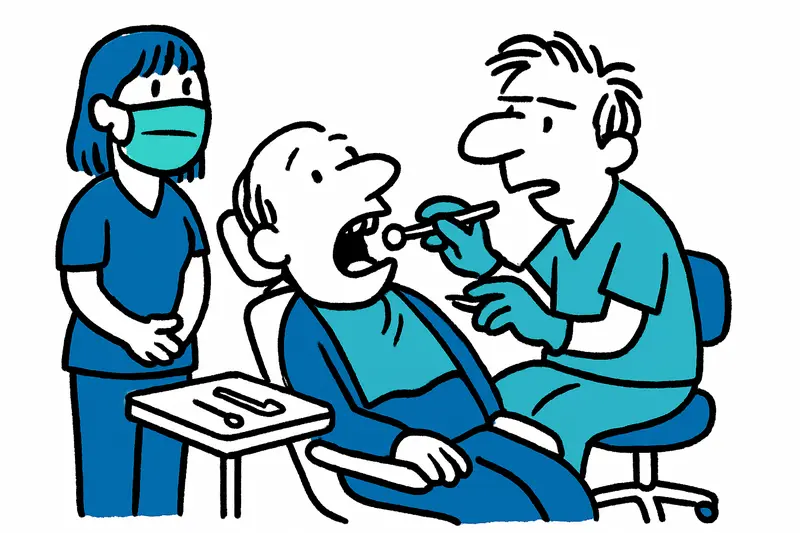
The story begins with a practice in Palma, a sign on a side street, the ring of a telephone and people who believe they are trusting a professional. That is how the story starts which, in 2020, sent a patient to the intensive care unit, a case reported in When the bargain leads to the hospital: Medical fraud in Palma and what now needs to change: according to the indictment, a man lacking dental professional training and subject to administrative measures opened a clinic in Palma. His wife assisted him, also without the necessary qualifications.
The patient sought help for gum problems and pain. Instead of careful diagnostics and waiting, the defendant — according to the public prosecutor — opted for a radical approach: all teeth were ground down and a fixed prosthesis was fitted. The treatment cost the patient €13,200. This was followed by a severe infection, spread to the throat area, two operations to remove infected tissue and a stay in the intensive care unit. Permanent damage and a long recovery were part of the case.
In short: criminal allegations of unlawfully practicing a profession, fraud and bodily harm. The public prosecutor is seeking four years in prison for the man and two years for his wife, as well as compensation payments to the victim.
Why this could go so wrong
The acid test lies not only with the accused, but above all with the supervisory authorities: how can a practice be operated if those working there do not present the necessary credentials? Several possibilities exist: formal gaps in the control of practice openings, slow responses to administrative proceedings or skillful avoidance of inspection duties. Added to this is the reality on Mallorca: many patients are visitors, language barriers and the search for quick pain relief create vulnerable situations, a problem reflected in Cuando la ganga acaba en el hospital: fraude médico en Palma y lo que ahora debe cambiar.
Another mechanism is expectation. Patients want quick results; practices entice with before-and-after photos and fixed-price offers. A market emerges in which proof of qualification is not always the decisive criterion, a dynamic also documented in Illegal Filler Treatments: Why Palma Must Crack Down Harder on the Beauty Black Market.
What is missing in the public discourse
The discussion often remains on isolated cases and moral outrage. Concrete answers are missing to questions such as: Who checks practice signs and local professional registers? How are complaints against medical facilities prioritized? And: How do we reach patients — including tourists and people with language deficits — with clear information about rights and risks?
Furthermore, while authorities can pursue criminal proceedings, dental care protection requires a preventive system: visible registration numbers, widespread inspections and better networking between health authorities and consumer protection agencies.
Everyday scene from Palma
Imagine the Cort or Passeig intersection: delivery vans stop, a café smells of freshly brewed coffee, an older woman with a shopping bag enters a practice where a license number might — or might not — be printed in small letters on the door. Telephones ring, an assistant notes an appointment, the patient is in a hurry and wants to get rid of the pain. Such quick decisions are the breeding ground for abuse.
Concrete solutions
The problems are technical, administrative and communicative. Concrete steps Mallorca should consider immediately:
1) Transparency requirement: Every practice must visibly display the professional qualifications of treating personnel, registration numbers and status with supervisory authorities. A QR code on the door linking to the official database makes checks easy for patients.
2) Rapid access for authorities: Health offices need a digital cross-check that links practice openings, suspended names and complaints in real time. This prevents administratively suspended persons from continuing in the shadows.
3) Strengthen complaint and advisory centers: A multilingual hotline and informational leaflets in doctors' offices and pharmacies explain patients' rights, inform about safe procedures and list emergency contacts.
4) Train reception staff: Front-desk employees must be able to answer basic questions: Who is treating me? What qualifications does this person have? Is there written informed consent before the procedure?
5) Sanctions and traceability: In addition to criminal proceedings, civil measures and fines should be designed so that economic incentives for fraudulent behavior are reduced.
What affected people can do now
If you have doubts about a treatment: immediately secure documents and invoices, seek medical emergency care, take photos, note contacts, names and appointments. Filing a report with the public prosecutor and notifying the health authority are important. Legal advice helps enforce claims for compensation.
Conclusion
The case is not just a scandal, it is a warning signal: when control over health is in the hands of the unqualified, the risk to people remains high. Criminal proceedings may punish perpetrators, but prevention is the key. Anyone growing up in or visiting Palma should be able to expect clarity in front of the practice sign. Until that is achieved, only critical questioning, securing documents and demanding transparent controls help — otherwise a case like this will repeat itself, someday on another street corner.
Frequently asked questions
When is the best time to visit Mallorca for good weather?
Can you swim in Mallorca in spring or autumn?
What should I pack for a trip to Mallorca?
Is Mallorca a good destination outside summer?
Is Palma de Mallorca worth visiting for a short stay?
What is Sóller like for visitors to Mallorca?
Is Pollença a good base in Mallorca?
What kind of holiday is Mallorca best for?
Similar News
When the Wallet Becomes a Danger: Attack in Peguera and Lessons for Mallorca
In Peguera, two women are said to have stolen the wallet from a 75-year-old German couple. When the victim intervened, t...
Plata stays Plata: Young people take over, Llonguets remain
A small bar on Carrer de l'Argenteria will continue: Tolo Serra hands the place over to young Mallorcans at the end of t...
Unnoticed in the Luggage Compartment: How a Boy Traveled More Than 100 Kilometers in a Team Bus
A minor traveled in the undercarriage of a team bus for more than 100 kilometers until his cries for help were heard. A ...

Cap Vermell Grand: Second Michelin Key – a Gift for the East
The Cap Vermell Grand in Capdepera has been awarded its second Michelin key. For the region this elevates the luxury off...
Eurowings lets four aircraft carry names – a friendly idea that also reaches Mallorca
Eurowings is launching a campaign: four Airbus A320s are to carry the first names of people who help others in everyday ...
More to explore
Discover more interesting content

Can Cap de Bou

Townhouse Lleo 72
