
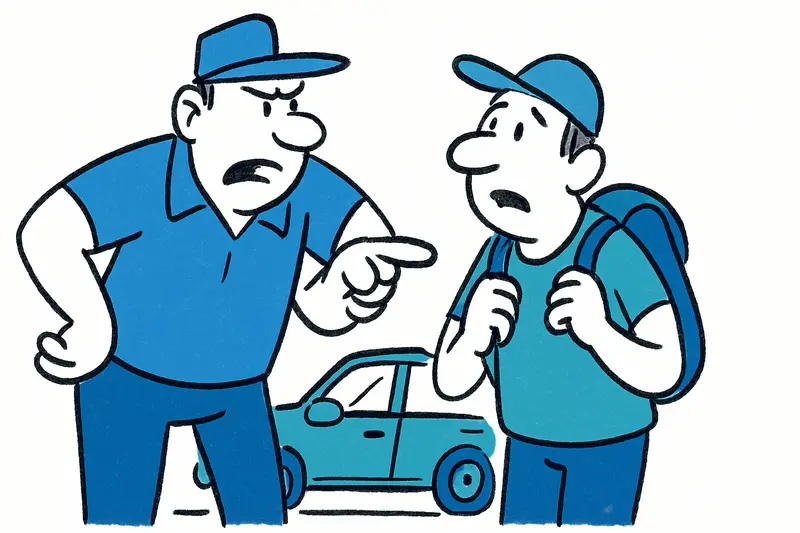
Caution at the Beach: When Parking Guards Pressure Tourists – The Can Pere Antoni Case
Caution at the Beach: When Parking Guards Pressure Tourists – The Can Pere Antoni Case
At the city beach parking lot of Can Pere Antoni, the local police recently arrested three men after they had pressured drivers. What's behind the system of 'parking guards' — and what's missing to ensure tourists, residents and law enforcement are truly protected?
Caution at the Beach: When Parking Guards Pressure Tourists – The Can Pere Antoni Case
Key question: How dangerous is the phenomenon of self-styled 'parking guards' for tourists and residents — and what must the city do now so that a parking lot is no longer a risk?
What happened
On a sunny Thursday afternoon at the city beach Can Pere Antoni, three young men were arrested by the local police. According to the officers, they had pressured drivers to pay for parking. The scene: cars maneuvering slowly into parking bays, a jumble of languages in Catalan, Spanish and German, seagulls circling above the Passeig. Those who refused were reportedly put under further pressure — a practice now observed at several busy beaches and parking areas. For related reporting see Robbery at Can Pere Antoni: Why this incident reverberates — and what needs to happen now.
Critical analysis: A business model on public land
The root problem is systemic. On many public parking areas an informal service has emerged: people position themselves at entrances and exits, offer 'help' with parking or mark spaces — and expect payment in return. Legally, voluntary donations are possible, but the line to coercion is thin. Repeated observations show a pattern: control of an area, discouraging other providers, threatening gestures when payments are refused. For those affected — elderly people, solo travelers, families with young children — the situation can quickly feel threatening.
What's missing in the public debate
First: clear information policy. There are hardly any visible signs at parking lots making it clear that spaces are public and that no one may demand payment. Second: multilingual contact points. Many tourists do not speak Spanish; quick notices in German, English and French would lower the threshold to report incidents. Third: a perspective for those involved. Often social problems lie behind these structures — precarious housing or work situations — which police measures alone cannot permanently resolve. The need for public awareness and visible protest has been highlighted by local actions, for example Lifeguards stage protest at Can Pere Antoni — a wake-up call for Mallorca's beaches.
Everyday scene from Palma
On the Passeig Marítim it is most visible: early in the morning an elderly couple pushes a shopping trolley along the pavement, men drink their café con leche on the benches, cyclists ring past. At midday parking becomes scarce, and on the corner to the Platja there are gestures, looks, finger movements — seemingly harmless until a young mother with a stroller feels uneasy. The sound of a patrol car calms things briefly, then it fades again, and the figures are back at their posts.
Concrete solutions
1) Visibility and information: Signs must be placed at the entrances to public parking lots in multiple languages, clearly stating that parking areas are municipal property and collecting fees is prohibited. 2) Simplify reporting channels: An easily reachable phone number and an app function in several languages that directly connects to the local police would speed up responses. 3) Presence instead of show: Targeted, unpredictable checks by the local police — not just routine patrols at fixed times — undermine the organizational security of the groups. 4) Use technology purposefully: Camera-based surveillance at critical access points (legally reviewed, with data protection notices) can help secure evidence (see EU data protection rules (GDPR)). 5) Social work instead of repression alone: Cooperation between the city, social services and NGOs to offer exit options or employment opportunities addresses the root of the problem in the long term. 6) Increase expectation of sanctions: Faster administrative fines and clear prosecution procedures make the business model unprofitable.
What the local police have already tried — and why that's not enough
The authority has already taken measures and formed a specialized unit in 2025. Arrests like those at Can Pere Antoni are important, but as long as visibility of the rules, accessibility of help and alternative offers are missing, interventions remain episodic. They often act like a bandage: relieving pain in the short term but not healing the wound.
Conclusion
It is not enough to simply remove individual groups. Anyone who truly wants to help must address three levels simultaneously: clear signs and fast reporting channels for those affected, controlled police presence and investigative capacity, and social offers for people on the margins of the labor market. Only then will a parking lot become a place where you can step out without fear.
One final tip for tourists: If something seems suspicious, note down license plates, seek the nearest busy café or report the incident via the official local police phone number — the sooner the information is received, the better the chance the situation can be resolved peacefully. For local coverage in Spanish see Asalto en Can Pere Antoni: por qué este suceso resuena y qué debe hacerse ahora.
Frequently asked questions
What is the weather usually like in Mallorca in spring?
Can you swim in Mallorca in early spring?
What should I pack for a trip to Mallorca in spring?
Is Mallorca a good destination in spring for outdoor activities?
What is Palma de Mallorca like in spring?
Is the Serra de Tramuntana worth visiting in spring?
When is the best time to visit Mallorca if you want mild weather?
Do I still need sun protection in Mallorca during spring?
Similar News
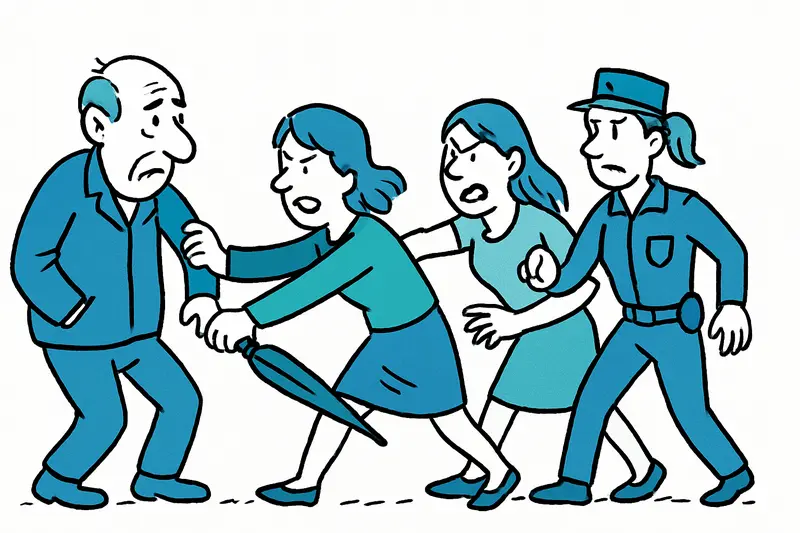
When the Wallet Becomes a Danger: Attack in Peguera and Lessons for Mallorca
In Peguera, two women are said to have stolen the wallet from a 75-year-old German couple. When the victim intervened, t...
Plata stays Plata: Young people take over, Llonguets remain
A small bar on Carrer de l'Argenteria will continue: Tolo Serra hands the place over to young Mallorcans at the end of t...
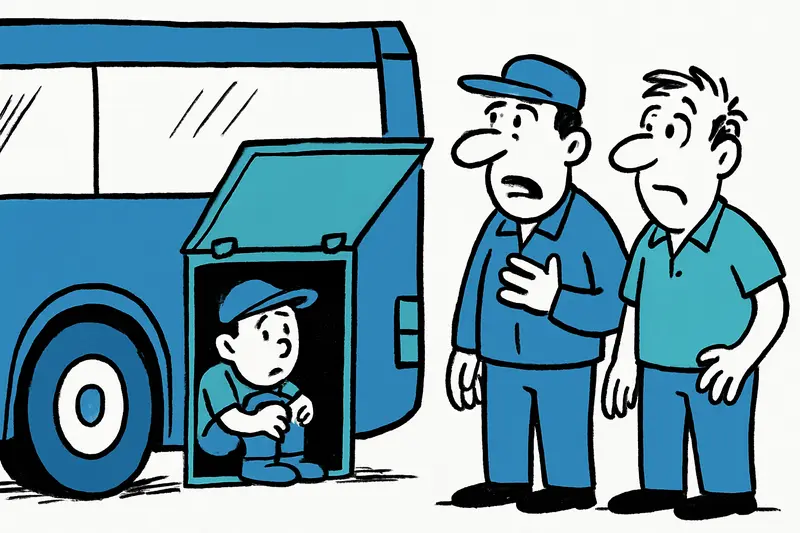
Unnoticed in the Luggage Compartment: How a Boy Traveled More Than 100 Kilometers in a Team Bus
A minor traveled in the undercarriage of a team bus for more than 100 kilometers until his cries for help were heard. A ...

Cap Vermell Grand: Second Michelin Key – a Gift for the East
The Cap Vermell Grand in Capdepera has been awarded its second Michelin key. For the region this elevates the luxury off...
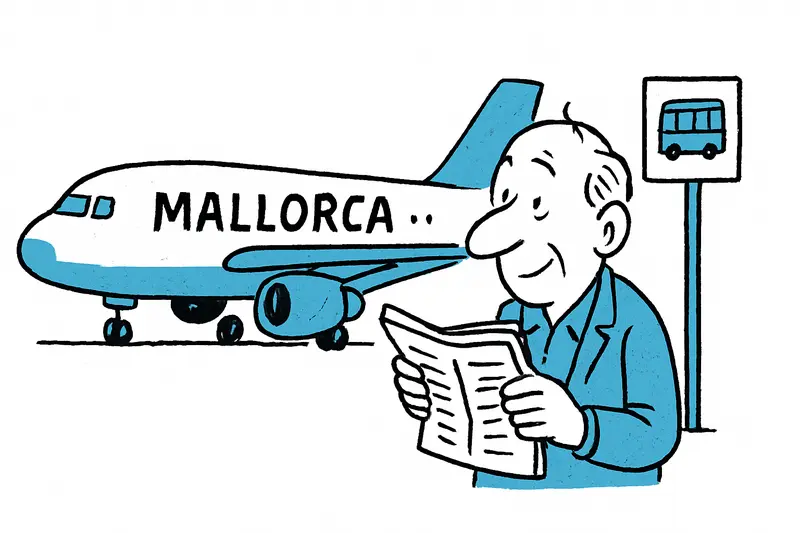
Eurowings lets four aircraft carry names – a friendly idea that also reaches Mallorca
Eurowings is launching a campaign: four Airbus A320s are to carry the first names of people who help others in everyday ...
More to explore
Discover more interesting content

Can Cap de Bou

Townhouse Lleo 72
