
When the bargain leads to the hospital: Medical fraud in Palma and what now needs to change
An alleged practitioner, Instagram offers and a patient with necrotic tissue in the emergency room: The case in Palma raises questions about safety in aesthetic procedures. What is missing — and how can abuse be prevented?
When the bargain turned into a nightmare
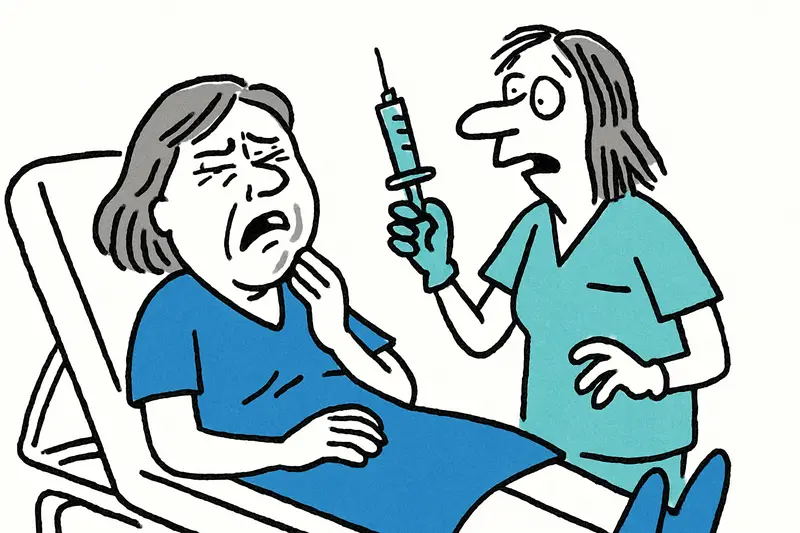
On a warm May day in the middle of Palma, the offer sounded as harmless as an ad clip between Stories: "Chin filler, natural result, Sunday appointments." Not long after, a woman arrived at the city's hospital emergency department with severe pain and discoloration in the chin. The diagnosis: necrosis — dead tissue — and a bacterial skin infection. What was supposed to be a routine touch-up turned into a serious, potentially permanent injury. The case was covered by local press: Cuando la ganga acaba en el hospital: fraude médico en Palma y lo que ahora debe cambiar.
Key question: Why does oversight fail where people are most vulnerable?
The National Police are investigating and a woman was arrested. She is said to have posed as a makeup artist, rented cabins by the hour and performed injections. At first glance this is a criminal case. But it is also a systemic problem: how can platforms, authorities and local businesses better prevent medical services from being provided outside regulated practice? Details of the arrest and hospital case appeared in Tratamientos ilegales con rellenos: por qué Palma debe endurecer la lucha contra el mercado negro de la estética.
How this can happen
The explanation has several layers. First: price pressure. In a city where tourists and residents live side by side, cheap offers are tempting. Second: visibility via social media. A pair of before/after photos, a well-made story and weekend appointments — and the appearance of a legitimate practice is created. For guidance on choosing safe providers, see NHS guidance on cosmetic procedures. Third: the possibility of concealment. Renting a booth in the back room of a studio is often enough to give the impression of seriousness. Fourth: information gaps. Many interested people do not ask for registration in the medical register, a written consent form or sterile single-use materials. Patients can check registration through the Consejo General de Colegios Oficiales de Médicos.
What is often missing in the public debate
People talk about guilt and criminal liability — rightly so. But less often discussed is how vulnerable certain groups are: language barriers for tourists, younger people who view beauty treatments as consumer goods, or older residents who make decisions based on price. Also rarely examined are the business models behind the offers. Who knowingly rents out rooms, who organizes appointments, who benefits from recommendations in closed chat groups?
Concrete measures — short, practical, local
The response must not be only outrage. Mallorca needs pragmatic solutions:
Mandatory clear identification: Anyone offering aesthetic or medical services must display their qualifications visibly — similar to a restaurant hygiene rating. A quick check of registration numbers and certificates would already protect many people.
Cooperation with platforms: Social media ads for medical services should only be allowed with verification. This is technically feasible and would prevent the spread of false promises.
Checklist for patients: Before any injection: the name of the practitioner, proof of training, a written consent form, a contact phone number and the question of sterile single-use materials. More information on product safety is available from FDA information on dermal fillers. A simple flyer in practices and pharmacies could make a big difference.
Mobile inspections: Authorities could conduct targeted weekend inspections in neighborhoods where cabins are often rented at short notice. Such actions deter and uncover repeat offenders.
What clinics and neighbors can do
Emergency departments often notice first when something is wrong. Better coordination of reporting chains between hospitals, health authorities and police would help detect patterns faster. Neighbors — who often notice the small details, the constant coming and going of clients — can report suspicious offers. An anonymous online form from the municipality would be a simple first step.
Looking ahead: Opportunities for Mallorca
Incidents like this are a warning sign, but also an opportunity. Transparency builds trust — and trust is an advantage for a location. Clinics, licensed practices and reputable providers can stand out more strongly, and local information campaigns (at markets, in pharmacies, in Spanish and English) could raise awareness. Anyone strolling through Palma along the Passeig des Born, hearing the bells of La Seu in the distance and smelling the market at Mercat de l'Olivar should be able to trust that medical procedures are not a risk.
Conclusion: A low price does not replace qualification. The case in Palma is more than an isolated incident — it reveals gaps that must be closed: through information, inspections and simple rules that protect lives. Health must not become a bargain.
Frequently asked questions
How can you tell if a cosmetic injector in Mallorca is properly qualified?
What should I do if I develop pain or discoloration after a filler treatment in Palma?
Are very cheap aesthetic treatments in Mallorca a red flag?
Why are social media ads for cosmetic procedures risky in Mallorca?
Can tourists in Mallorca be more vulnerable to fake medical offers?
What can neighbors in Palma do if they suspect illegal cosmetic treatments nearby?
How can Mallorca stop illegal fillers and cosmetic injections more effectively?
What should I check before getting fillers or injections in Mallorca?
Similar News
Smuggling in the secured area: How a gang exploited the duty-free zone at the airport
Two further arrests at Son Sant Joan airport: the Guardia Civil stopped a group that used cheap flight tickets to access...

Brawl at Palma Airport: When Competition Turns to Violence
In the arrivals area of Son Sant Joan a dispute between transfer service drivers escalated. One man was arrested, the vi...
77-year-old missing in Llucmajor: Why such cases on the island must not become routine
A 77-year-old German is missing in Llucmajor. SOS Desaparecidos is searching for Reiner Schnell. A critical assessment: ...
Ham Street, Sunglasses, Cocaine: When Sales Tricks Become Dangerous
A vendor at Playa de Palma offered a pair of sunglasses — and apparently hid a small packet of cocaine. The central ques...
Dancing Instead of Complaining: The Viral Duty‑Free Artist and the Payment Gap at Palma Airport
An actor dances through the duty‑free area in Palma, goes viral — and speaks of unpaid bills. Who is responsible, and wh...
More to explore
Discover more interesting content

Boat Tour with BBQ along Es Trenc Beach

Private transfer from Mallorca Airport (PMI) to Pollensa
