
Reality Check: Can a private website tame Palma's parking chaos?
Reality Check: Can a private website tame Palma's parking chaos?
A new German website lists parking garages in Palma — useful before the drive, but not a solution for traffic-clogged streets. A look at gaps, opportunities and concrete steps.
Reality Check: Can a private website tame Palma's parking chaos?
Key question: Is an interactive map enough to solve real parking problems in Palma's city center?
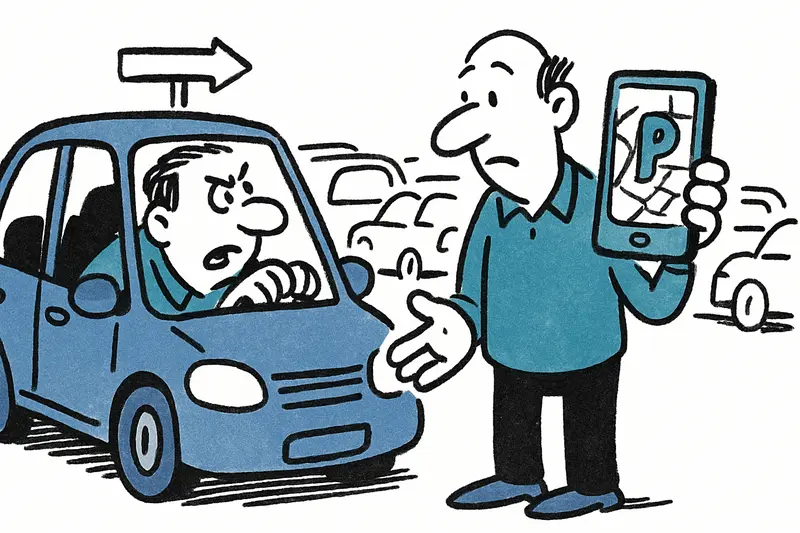
On an early Friday morning, when the sun is just above the cathedral and the first espresso cups clatter on the Passeig des Born, you see it again: rental cars, taxis and delivery vehicles squeezing through the narrow lanes toward the car park. Queues often form in front of the garage opposite the cathedral — not because parking garages are missing, but because streets and access routes are overloaded. This is where the new private website palmaparking.info comes in: it lists car parks, prices, opening hours and walking routes to sights. A nice idea, but is it enough? Similar daily chaos is described in Beyond the Parking Lottery: Son Espases and the Daily Parking Chaos.
The website is clearly labeled as a private project of a Mallorca enthusiast. As orientation before a trip it can save time: those who compare prices in advance or choose an alternative reduce the number of aimless drives. That is its clear added value. However, the platform does not replace reality on the street: a free parking space is only as good as the route to it. If access roads are clogged, even the best map is of little use.
Critical analysis: the site provides static information that can change quickly. Parking prices fluctuate seasonally, weekends and trade fairs change availability, private underground garages close for maintenance. Without a real-time connection to municipal monitoring systems the map remains a planning note, not a live navigation tool; developments such as Palma makes parking digital: No more ORA stickers – opportunities and risks show both the opportunities and challenges of municipal systems. In addition, information is often missing on accessibility or suitability for large vans — relevant facts for families with bulky luggage or campers, and safety issues reported at some garages, such as Parking Garage on Carrer Manacor: When Fear Becomes Part of the Walk to the Car, underline this.
Another point: Palma’s guidance system at the approaches is more important for drivers than a website. The digital signs on the ring roads show available spaces — decisions are often made in seconds at those points. An external site that is not synchronized with these signs or with navigation services can at best improve trip preparation, but not the split-second decision in traffic.
What is missing from public debate: the discussion stays too focused on tools and too little on spatial planning. Lack of parking is not only an information problem, but a space problem. Palma’s historic center evolved over time and was not planned for thousands of additional rental cars; recent debates over new projects such as From Lluís Sitjar to a Parking Lot: Palma Plans 131 Parking Spaces – Relief or Relocation? illustrate the tensions. Those who only talk about apps overlook necessary measures in municipal infrastructure, delivery schedules, resident regulations and the role of public transport.
Everyday scene: imagine the Plaça de Cort on a Saturday: parents with strollers squeeze past delivery workers, a city bus maneuvers, and behind the bus a tourist with a smartphone navigation app tries to reach the next free car park. The mood swings between impatience and helplessness. Such scenes show that the solution cannot be purely digital — it has to work on site.
Concrete, realistic and implementable approaches: first: open interfaces (APIs) for parking data. If the city, car park operators and private sites share data in real time, a reliable basis is created. Second: cooperation with rental car companies. If rental providers give customers a parking recommendation with walking time and price at booking, spontaneous circling is reduced. Third: better signage and temporary access rules during peak times — often more effective in the short term than new parking spaces.
Further measures: targeted park-and-ride offers at transport hubs (for example at major bus interchanges on the city outskirts) with frequent shuttles can reduce the number of downtown trips. Dynamic pricing during peak times would help steer demand. Finally: simple additional info on the website such as vehicle height restrictions, number of disabled spaces or distance in walking minutes is easy to maintain but very useful for users.
What the private initiative can achieve: it can create transparency, manage expectations and prepare users. Combined with practical tips — for example the best walking routes, luggage drop-off options or times with low delivery traffic — it becomes more valuable. As a standalone instrument, however, it remains a piece of the puzzle, not the whole picture.
Punchy conclusion: Palmaparking.info is a nice, helpful collection for travelers who want to plan their trip. But it does not remove Palma’s structural constraints. Those who really want to reduce parking problems must link digital tools with municipal data opening, industry cooperation and above all concrete traffic measures on the ground. In short: the map is a good start, but the road to the goal remains complex.
Frequently asked questions
Is it easy to find parking in Palma city centre?
Can a parking website help drivers in Mallorca plan ahead?
When is parking in Palma usually the most difficult?
Does a parking map in Mallorca show live availability?
Are parking signs on Palma’s ring roads more useful than websites?
What parking information is most useful for families or larger vehicles in Palma?
Would park-and-ride help reduce parking pressure in Palma?
What is the best way to avoid driving in circles for parking in Palma?
Similar News

Rental Car Theft in El Arenal: What This Incident Reveals About Our Gaps
A teenager steals a running rental car in El Arenal, flees on foot, climbs over walls and is caught by the Guardia Civil...
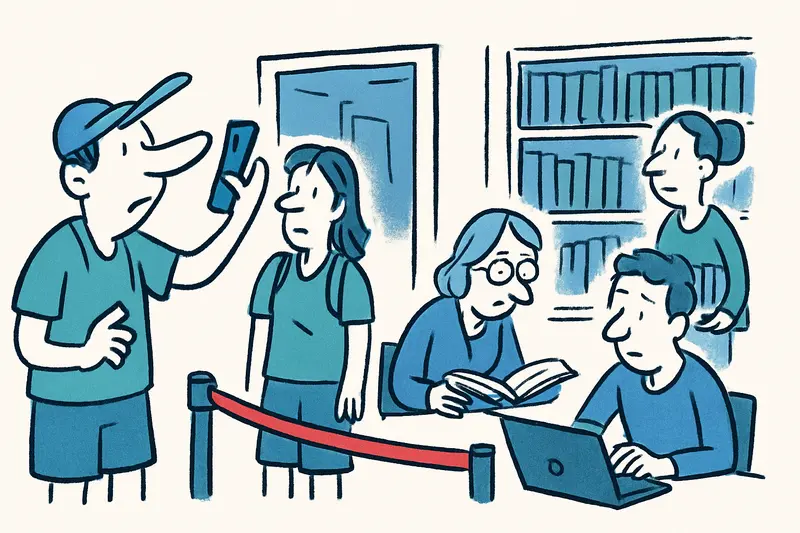
Red Rope in Palma's Library: What Helps Against Selfie Tourism — and What's Missing
Palma's city library cordoned off an area with a red rope to keep selfie tourism away from reading and working activitie...
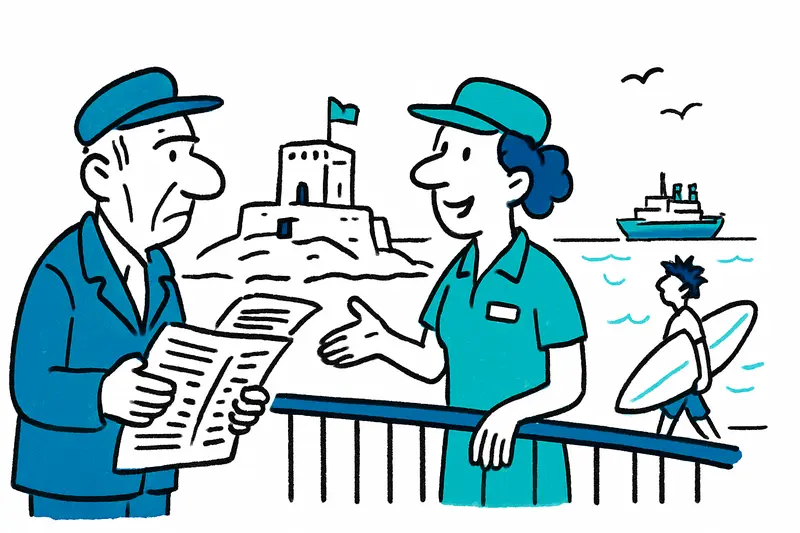
Fort San Carlos: Museum, Harbor Dispute — and a Conflict That Demands Answers
The military museum at Fort San Carlos sits right on Palma's harbor, with unexpectedly quiet rooms filled with cannons a...
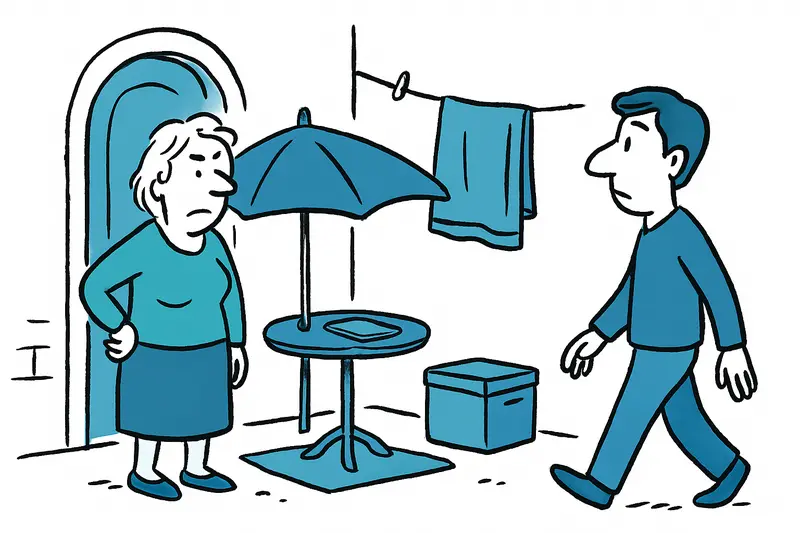
Old Town Under Pressure: When a Doorway Becomes a Sleeping and Shower Place
For months a woman has been living with a parasol, a clothes rack and personal belongings next to the social welfare off...

When Shopping Weighs Heavier: Mallorca Demands a Tax Pause on Food and Fuel
Rising prices are putting pressure on households and agriculture. The Balearic Islands are calling for temporary tax rel...
More to explore
Discover more interesting content

Can Cap de Bou

Townhouse Lleo 72
