
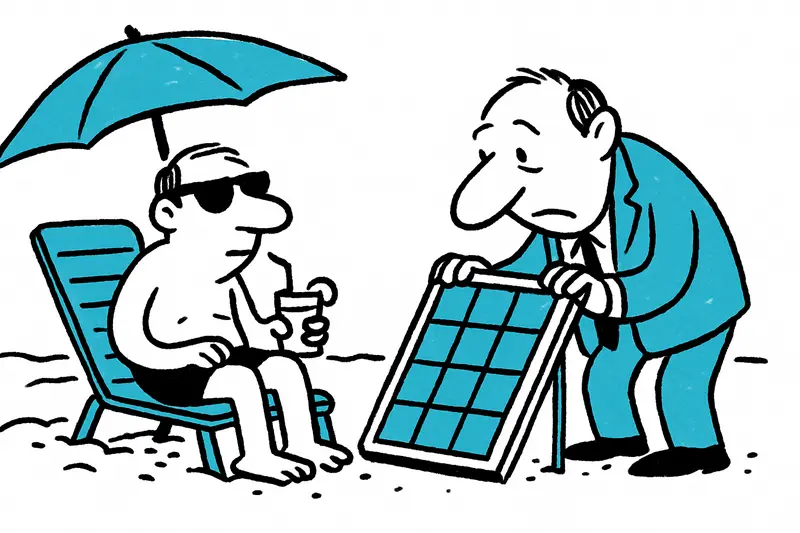
Energy Policy as a Tourism Issue: A Reality Check after the Mallorca Energy Summit
Energy Policy as a Tourism Issue: A Reality Check after the Mallorca Energy Summit
The Mallorca Energy Summit brought hoteliers, energy providers and politicians together in Palma. But is discussion enough, or are concrete steps missing for power security, financing models and the retrofit of small properties? A local perspective with a clear question and concrete proposals.
Energy Policy as a Tourism Issue: A Reality Check after the Mallorca Energy Summit
Guiding question: Is summit optimism enough to truly break Mallorca's energy dependence?
On Thursday Son Moix filled not only with suits and presentations, but with the real concern behind the figures: rising kerosene costs, hotels that account for around 30 percent of consumption in the tourism sector, and political calls to relieve energy costs through tax measures, and the pressures of mass tourism evident in Reality Check: Why Mallorca Can Hardly Escape Massification. Names like Toni Ballester (Estel Group), Gabriel Escarrer (Meliá) and Abel Matutes (Palladium) appeared on the panels, as did specialists in trigeneration, storage solutions and AI optimization. Good conversations, no question. But how much of that reaches the street, the workshop or the small guesthouse at Cala Major?
Critical analysis: a lot of technology, little everyday practicality. Trigeneration was described as a pragmatic intermediate step: electricity, heat and cooling from a single plant, complemented by battery storage. That makes sense for large resorts, especially where grid bottlenecks exist. But many of the presented models require capital, permitting know‑how and sufficient space. Small and medium-sized hotels on the island, the backyard laundry on Avinguda Jaume III or the family-run guesthouse in Sóller neither have the area nor the financing to switch quickly to such systems. The question also remained open as to how grid operators will react to a wave of self-generation facilities: who covers grid balancing costs if many island businesses feed in simultaneously?
What is missing in the public discourse: three points stand out. First: the practice of permitting procedures. Anyone planning a rooftop solar installation in Palma at Plaça d'Espanya often gets stuck for months. Without accelerated procedures, pilot projects remain mere lip service. Second: tariff models for the island grid and tourism-driven extra consumption. Redispatch costs, load peaks from air conditioning in high season and different prices for locals, hotels and rental owners were barely discussed. Third: skilled workers and training offers. Promoting storage and AI tools is of little use if there are no local technicians to maintain these systems, an issue also raised in Mallorca 2035: Between Bed Reductions and a Return to Small-Scale Farming.
Everyday scene from Palma: one morning on Calle Olmos an EMT city bus rolls by almost silently on electric power; further back a diesel delivery van honks, having dropped laundry for a hotel. On some roofs isolated photovoltaic panels glint, but the large hotel blocks have visible changes mainly behind the buildings: generator rooms, tanks and new technical rooms. Residents ask about noise, smell and the stability of the power supply – a local debate that was too short on the summit stage.
Concrete solutions so that politics does not only promise: 1) Fast‑track permitting lane for energy projects on the island: a limited number of pilot approvals in Palma and Playa de Palma, with fixed deadlines for decisions. 2) Microgrid pilot projects in tourist neighborhoods: hotels, charging points and apartment blocks as shared energy communities with clear rules for feed‑in and compensation. 3) Public‑private financing vehicles for SME hospitality: mezzanine loans, energy funds repaid from saved operating costs and tax incentives for investments in storage and efficiency. 4) Tariff reform with load management: time‑variable prices and demand‑response programs for the high season. 5) Training initiative: short courses for technicians in cooperation with companies like Jenbacher or local installers so AI‑driven systems can be serviced locally.
Financing was a topic at the summit, but practice is lacking: small businesses need leasing options for equipment or feed‑in contracts with guaranteed returns. Policymakers can bring forward tax depreciation or offer guarantees for energy projects, rather than discussing only reductions in energy VAT, a debate linked to Eco-tax in Mallorca: Extra Costs, Frustration — and What Is Truly Missing.
Another point: mobility and charging infrastructure. Palma's announcement to create more than 2,000 public charging points by 2030 and to convert half of the EMT fleet to electric by 2027 is a clear target. Such measures help improve urban air quality. At the same time, hotels need clear rules on how to operate charging infrastructure in their parking areas, bill for it and synchronize with the municipal grid, which ties into broader concerns covered in After Eleven Years at the Top: What Mallorca's Tourism Radar Really Needs to See.
Pointed conclusion: the summit brought important topics together and showed that energy is far from only a technical problem; it is a strategic tourism question. Nevertheless, much remains technocratic: big solutions for big players. To prevent the island from developing two speeds – tangible projects for chains and mere declarations of intent for smaller businesses – administrations, banks and technology companies must now build the bridges. No large event replaces the hard work of streamlining permits, designing financing instruments and training local craftsmen. If that succeeds, Mallorca has a chance to reduce its energy dependence. If not, much of what was discussed on the podium will remain pleasant theory under the midday sun on Passeig Mallorca.
Frequently asked questions
Why is energy policy becoming such an important tourism issue in Mallorca?
Can Mallorca hotels realistically switch to self-generated energy?
What is trigeneration and why is it discussed in Mallorca?
Why do solar projects in Palma take so long to get approved?
What energy problems do small hotels in Mallorca face?
What role does training play in Mallorca’s energy transition?
What are microgrids and could they work in Mallorca neighbourhoods?
How is Palma planning to expand electric charging points?
Similar News

Rental Car Theft in El Arenal: What This Incident Reveals About Our Gaps
A teenager steals a running rental car in El Arenal, flees on foot, climbs over walls and is caught by the Guardia Civil...

Red Rope in Palma's Library: What Helps Against Selfie Tourism — and What's Missing
Palma's city library cordoned off an area with a red rope to keep selfie tourism away from reading and working activitie...
Fort San Carlos: Museum, Harbor Dispute — and a Conflict That Demands Answers
The military museum at Fort San Carlos sits right on Palma's harbor, with unexpectedly quiet rooms filled with cannons a...
Old Town Under Pressure: When a Doorway Becomes a Sleeping and Shower Place
For months a woman has been living with a parasol, a clothes rack and personal belongings next to the social welfare off...
When Shopping Weighs Heavier: Mallorca Demands a Tax Pause on Food and Fuel
Rising prices are putting pressure on households and agriculture. The Balearic Islands are calling for temporary tax rel...
More to explore
Discover more interesting content

Can Cap de Bou

Townhouse Lleo 72
