
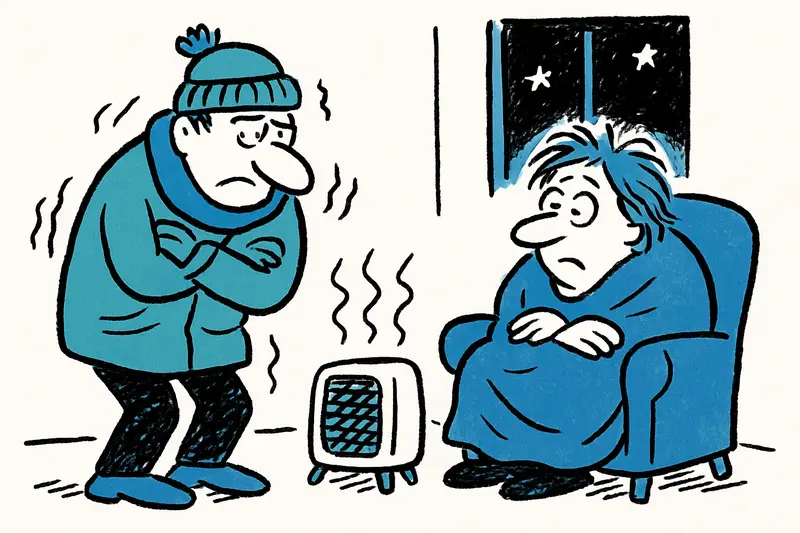
Frosty Setback: Why Mallorca Should Take the Cold Nights Seriously
Frosty Setback: Why Mallorca Should Take the Cold Nights Seriously
Aemet warns of frosty nights with 2–4 °C, falling daytime highs and a snow line around 1,000 meters. A guiding question, a reality check for island life and concrete suggestions.
Frosty Setback: Why Mallorca Should Take the Cold Nights Seriously
How prepared is the island for a sudden return of winter conditions?
On Saturday a new low-pressure system will hit Mallorca, as detailed in Cold snap in Mallorca: Is the island really prepared?. According to Aemet, nights will remain cold in the coming days: locally values of two to four degrees Celsius are expected. Daytime temperatures will drop — from around 19 °C this Friday to about 14 °C on Sunday. The snow line will slide toward 1,000 meters. On top of that, a stiff northerly wind will make the perceived temperature feel even lower.
The bare numbers are only part of the story. In the fields of the Llevant, where 18.6 °C was still recorded in Artà on Thursday, thin plastic sheets and fleece blankets now hang over young plants. In Palma's old town the barista on Passeig Mallorca turns the heater back on because the cups on the terrace fog up in the morning. Scenes like these put the statistical forecasts into everyday reality, which not every municipality and not every business can absorb equally well.
Clear guiding question: Are the precautions taken by municipalities, farmers and tourism businesses enough to limit damage from this cold snap? The quick answer: It depends a lot on how local and pragmatic the response is.
Critical analysis: On islands like Mallorca, short, intense weather swings are not unusual. Still, cold nights in March bring specific problems. Young fruit and vegetables are sensitive; water pipes on fincas without constant heating can freeze and burst; older people who are still mobile often heat less out of fear of high bills. For the tourism sector the temperature drop means not only unhappy guests with thin jackets, but also higher operating costs when hotels suddenly need to heat more.
What is often missing in the public discussion: 1) Locally differentiated advice for farmers and gardeners — not every plot reacts the same. 2) Practical checks for homeowners and tenants (check gas bottles, pipe insulation, antifreeze settings on irrigation systems). 3) Notices for visitors arriving at short notice who don’t treat their holiday apartments as winter quarters. 4) Logistical coordination between municipalities and road maintenance teams regarding grit and salt if higher roads become icy.
A concrete everyday scene: In the early morning a fisherman in Port de Sóller rattles his lines while the Tramuntana whistles through the palm trees in the harbor. The market seller in Campos covers freshly delivered crates of strawberries with cloths, a scene reminiscent of 0 Degrees in Campos: Are Mallorca's Nights Prepared for Frost?. On the Plaça Major an older woman speaks with the baker's wife behind the counter about heating options in her home — and about the fact that her daughter will only arrive by bus from Llucmajor in an hour because lines run slowly when wind and cold set in.
Practical measures that can be implemented quickly on site: First, short-term information campaigns by municipalities via social media and notices in town halls: insulate pipes, check gas bottles, program antifreeze into irrigation controllers. Second, coordination with agricultural advisory services: explain quick coverings and night-time irrigation techniques to reduce frost damage. Third, tourist-room checklists for landlords: have extra blankets ready, post instructions for heating use, communicate flexible arrival options. Fourth, infrastructure: make grit available in a controlled way for higher routes and agree with bus companies so lines run more reliably and safely when gusty northerly winds occur.
For at-risk groups simple measures help: keep an eye on neighbors, keep warm rooms in community centers open in the afternoons, organize phone chains for older residents. Technical tricks: inexpensive pipe insulation can save the costly plumber call in an emergency; electric space heaters in emergencies should only be used with certified cables.
A word on communication: Authorities should not reproduce Aemet messages verbatim but translate them to local terms. A concrete temperature value is abstract; more useful is information on which road sections may be icy in the morning, which water points are particularly vulnerable and where free blankets or emergency shelters are offered — if needed at all.
Punchy conclusion: The cold snap is not a drama, but a test of local preparedness. Those who check pipes, plants and elderly neighbors now will save themselves trouble later. And: a little preparation costs less than a burst pipe, spoiled produce or a frustrated tourist who leaves the island with cold feet.
Outlook: Spring on Mallorca often shows a changeable mood. Those who know that won’t put their jacket completely away — and will make sure the island doesn't stumble when sudden cold arrives.
Frequently asked questions
How cold can Mallorca get during a March cold snap?
Can it still snow in Mallorca when cold air arrives?
What should I pack for Mallorca if the weather turns cold?
Is Mallorca still good for a holiday during cold weather?
How can Mallorca homeowners protect water pipes during cold nights?
Why are farmers in Mallorca worried about cold nights?
What is the weather like in Port de Sóller during a cold front?
What should Mallorca municipalities do when a cold snap is coming?
Similar News
Rental Car Theft in El Arenal: What This Incident Reveals About Our Gaps
A teenager steals a running rental car in El Arenal, flees on foot, climbs over walls and is caught by the Guardia Civil...
Red Rope in Palma's Library: What Helps Against Selfie Tourism — and What's Missing
Palma's city library cordoned off an area with a red rope to keep selfie tourism away from reading and working activitie...
Fort San Carlos: Museum, Harbor Dispute — and a Conflict That Demands Answers
The military museum at Fort San Carlos sits right on Palma's harbor, with unexpectedly quiet rooms filled with cannons a...
Old Town Under Pressure: When a Doorway Becomes a Sleeping and Shower Place
For months a woman has been living with a parasol, a clothes rack and personal belongings next to the social welfare off...
When Shopping Weighs Heavier: Mallorca Demands a Tax Pause on Food and Fuel
Rising prices are putting pressure on households and agriculture. The Balearic Islands are calling for temporary tax rel...
More to explore
Discover more interesting content

Can Cap de Bou

Townhouse Lleo 72
