

Beauty Tourism in Mallorca: Between Clinic Luxury, Cryo Chambers and Everyday Life
Cryo chambers, concierge services and combo packages: Mallorca's medical and beauty tourism is growing — with opportunities for the economy and risks to quality of life. How can a responsible expansion be shaped?
Where is Mallorca's new beauty tourism heading?
On an early walk through Palma you can hear the sea, the occasional hum of a taxi driver and the clatter of coffee cups on the Plaça del Mercat. In recent weeks I have also noticed a new mosaic of faces: people who are here not only for sun and sangria, but for treatments — from Botox to regenerative therapies and full-body cryotherapy chambers. This pattern is explored in When Men Visit the Cosmetic Doctor in Mallorca — Between Self-Confidence and Risk.
Key question: Niche with a future or a risk for the island?
The central question is: can Mallorca shape this niche economy so that it benefits locals without overburdening quality of life and infrastructure? At first glance the trend promises a lot: longer stays, higher occupancy in the low season, new jobs. But appearances can be deceptive if you only look at the chic waiting rooms and the advertising for -87 °C cryo chambers.
What is often overlooked
Public debates are dominated by two images: clinic glamour and economic gain. Less attention is paid to consequences like additional delivery traffic, rising energy demand (cryo, OR equipment), medical aftercare in the patients' home countries or the strain on municipal emergency services in case of complications. The question of how patient data is protected also plays hardly any role on the sun terrace.
How hotels and clinics network
On the Passeig Marítim and in Santa Catalina, boutique hotels are now negotiating with doctors about combo arrangements: check-in at 11 a.m., treatment in the afternoon, dinner at the hotel. Concierge services organize discretion and transfers; some packages promote personalized nutrition plans and relaxation areas. This has advantages: men and women combine a cure with sightseeing, local restaurants fill tables in November — but it also creates dependencies between the hotel industry and the medical sector.
Opportunities — concrete and local
If handled wisely, the sector brings real opportunities: jobs in care, administration and hospitality, additional tax revenue, and a more resilient low season. The island could invest specifically in further training — certified apprenticeships for nurses, sterile logistics and medical concierge staff. The connection could extend tourism and bring gentler, higher-quality offers to places like Alcúdia or Sóller.
Risks and necessary rules
To prevent the boom from turning into an operational accident, clear rules are needed: binding quality standards, accreditation for clinics, transparent pricing and aftercare agreements. Municipalities should define zones for medical tourism facilities to protect residential areas from excessive traffic and delivery pressure. And last but not least: a reporting obligation for serious complications would create data on which policymakers and health services can act.
Practical approaches
1. Certification: A regional quality seal for clinics and partner hotels could strengthen patient safety and transparency.
2. Aftercare networks: Agreements with clinics in patients' home countries for cases with complications — or local follow-up centers that handle shorter, scheduled aftercare.
3. Labor market integration: Support programs for training places in sterile processing, anesthesia assistance and multilingual skills.
4. Traffic management: Time windows for deliveries and special parking zones for patient transfers to relieve quiet neighborhoods like Son Espanyolet.
5. Energy and environmental check: Assessment of additional consumption from high-tech devices and incentives for low-carbon solutions.
A look at everyday life
A taxi driver at the Plaça del Mercat recently said many patients seek peace and discretion — they prefer smaller apartments to noisy hotel rooms. Cafés fill up in November, yet you also see more vans. It is a delicate balancing act: you hear the sea and at the same time the hum of more refrigerators and engines. The question remains whether Mallorca's infrastructure and community are willing and able to absorb this growing sector in the long term.
Conclusion: A niche with responsibility
Beauty tourism is not a short-lived fad but a development that can change Mallorca. With targeted rules, investment in qualifications and an open dialogue between clinics, hotels, municipalities and neighbors, much positive can be achieved. Without these steps, however, hidden costs threaten: environmental strain, pressure on neighborhoods and uncertainty for patients. The island stands at a crossroads — those who shape it now can harness economic opportunities while preserving quality of life.
Frequently asked questions
What is beauty tourism in Mallorca?
Why do people choose Mallorca for cosmetic treatments?
Is beauty tourism in Mallorca active all year or mostly in low season?
What should visitors to Mallorca know before booking a treatment stay?
How does beauty tourism affect everyday life in Palma?
Are there concerns about cryotherapy clinics in Mallorca?
Which areas of Mallorca are linked to this new clinic-and-hotel trend?
What rules would help beauty tourism grow safely in Mallorca?
Similar News
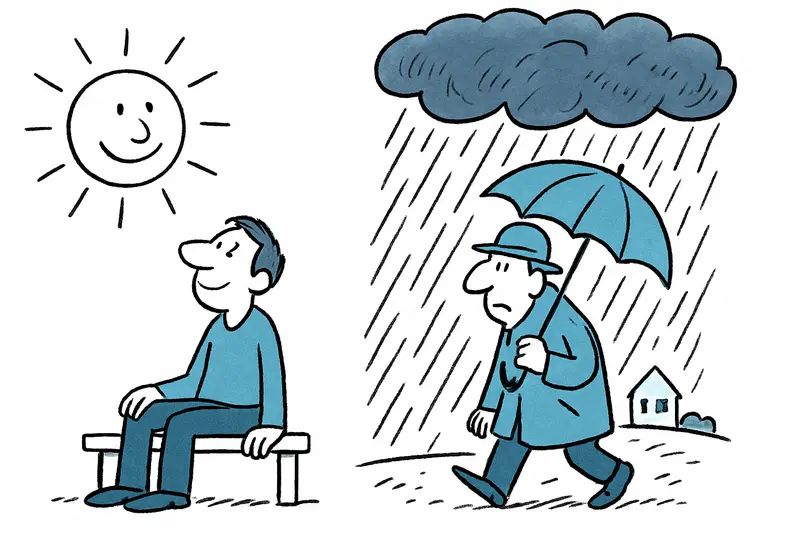
Autumn approaches on the island: Still sun, but a rain band will soon bring relief
The last warm days on Mallorca are still here – around 30°C by day, just under 20°C at night. According to AEMET, a rain...
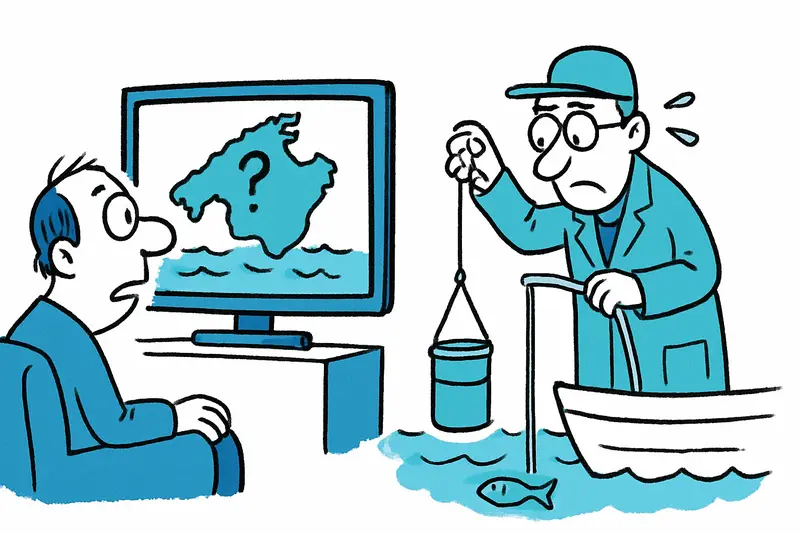
TV documentary on the Mediterranean: How threatened is Mallorca really?
A new television documentary follows marine research off Mallorca and shows: sea temperatures are rising, and farmers ar...
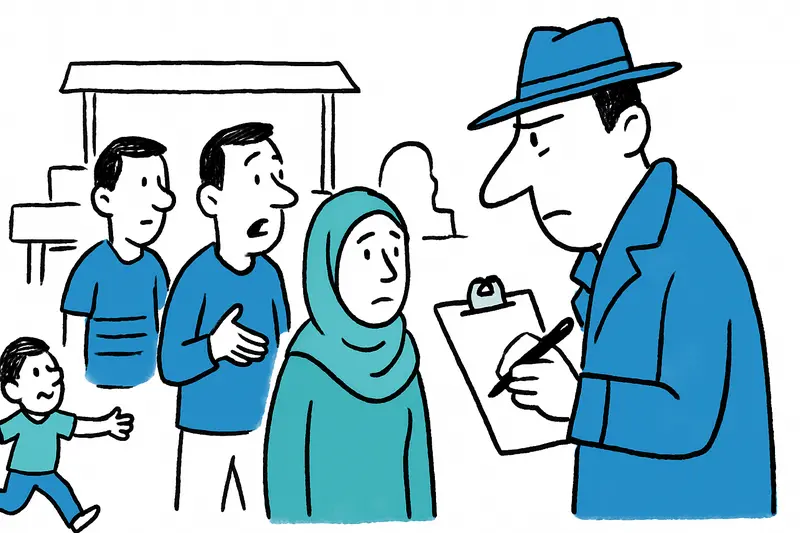
After Ceuta: Intelligence Activities in Mallorca – A Reality Check
The CNI, National Police and Guardia Civil have intensified their surveillance in Mallorca. What does this mean for isla...
An evening that resonates: Hans Theessink in the Claustre of Llucmajor
With a guitar, dry humour and a voice that carries stories: Hans Theessink turned the Claustre de Sant Bonaventura in Ll...
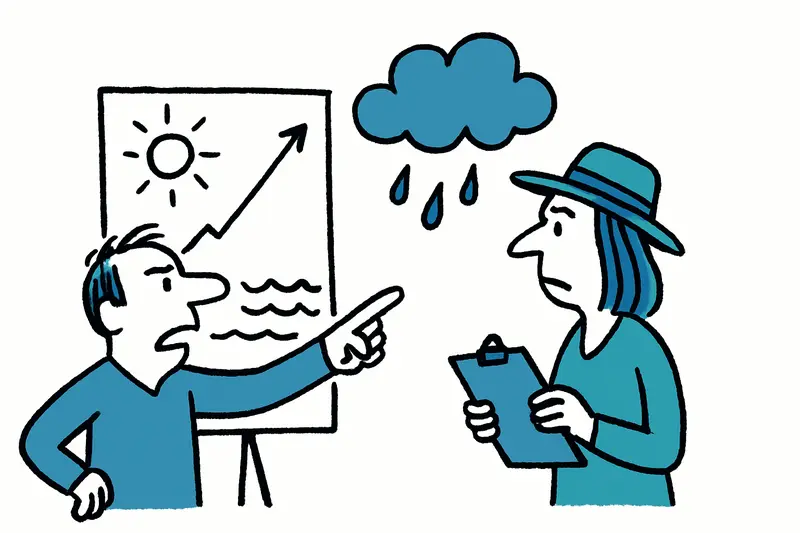
Reality Check: Will Mallorca Become the Weather Laboratory of the Mediterranean?
A new TV documentary has the Mediterranean off Mallorca in its sights. What research shows — and what we on the coast st...
More to explore
Discover more interesting content

Boat Tour with BBQ along Es Trenc Beach
Private transfer from Mallorca Airport (PMI) to Pollensa
