

New Longevity Center in Palma: Prevention, Technology — or Lots of Marketing?
New Longevity Center in Palma: Prevention, Technology — or Lots of Marketing?
A new longevity offering has opened in downtown Palma. We take a look: which procedures are established, which remain controversial — and what should interested people clarify before their appointment?
New Longevity Center in Palma: Prevention, Technology — or Lots of Marketing?
A new address for "healthy aging" has recently opened in the northern center of Palma: the Qvantum Longevity Center in the Els Geranis passage, only a few minutes' walk from Plaça de España and the Mercat de l’Olivar. Outside the shop you can hear delivery vans and the hum of buses in the morning, and the scent of freshly brewed coffee rises from the café next door — the new business blends into the familiar streetscape.
Key question
Is the new offering a sensible expansion of preventive care in Palma — or are medical standards mixed here with buzzwords and methods whose benefits are still unclear?
Critical analysis
The center combines classical medical consultation with a range of technical measurements and applications: body composition analyses, measurement of heart rate variability (HRV) and systems for analyzing bioelectrical signals. The portfolio is complemented by light therapy, infrared heat, microcurrent devices, oxygen applications and intermittent hypoxia therapy. Such offers are currently found in many private practices and health centers, and have been covered in Beauty Tourism in Mallorca: Between Clinic Luxury, Cryo Chambers and Everyday Life.
Important to know: For individual components — for example measuring HRV as an indicator of stress responses or the use of red and near‑infrared light for wound healing and muscle regeneration — there are scientific studies with positive results in narrowly defined application areas. Other methods, such as digital Kirlian photography or broadly labeled "frequency and energy medicine," are clinically poorly standardized and are controversially discussed within the professional community. Concerns about safety and oversight are highlighted in reports such as When the bargain leads to the hospital: Medical fraud in Palma and what now needs to change.
What is missing in the public discourse
This new offering is often talked about with buzzwords like "prevention" and "regeneration," but statistical data, clinical protocols or cost structures rarely appear in the advertising. Also seldom discussed is how therapy outcomes are to be documented objectively: Are there standardized measurement times, independent follow‑ups or a connection to general practitioners and specialists on the island? Older people who are interested in such treatments deserve clear information about benefits, risks and prices.
Everyday scene from Palma
On Saturday morning a middle‑aged woman stood in front of the shop window in Els Geranis and spoke quietly on the phone. "Is this something for you, Mum?" she asked and laughed nervously. Meanwhile the Plaça de España bustled, taxi drivers waved, and a street sweeper swept up the last leaves. Scenes like this show: the target group is local, reachable — and often uncertain about what actually helps.
Concrete approaches
Those who want to make the offering more credible should follow these steps: First: transparent information sheets with costs, expected effects and side effects. Second: written consent and realistic goal agreements. Third: a protocol for data collection and follow‑up that collects data anonymously and is open for independent analysis. Fourth: cooperation with local general practitioners and specialists as well as feedback channels to the public healthcare system — so prevention does not remain isolated. Fifth: clear labeling of methods considered experimental and that must be documented as experimental medicine.
Practical advice for interested people
Anyone booking an appointment should ask in advance: What specific training does the medical staff have? Are there publications or studies on the offered protocols? What do risk disclosure and the pricing structure look like? And: Are lab values and results transmitted to the personal general practitioner?
Conclusion
A longevity center can be a meaningful addition to the healthcare offerings in Mallorca — provided the services are transparent, medically responsible and embedded in established care pathways. Without these foundations, "prevention" can quickly become an expensive wellness mix with inconsistent evidence. For the people of Palma it would be desirable that new providers clarify at eye level what is proven to work and where further research is needed.
Frequently asked questions
What is a longevity center in Palma supposed to do?
Are longevity treatments in Mallorca medically proven?
What should I ask before booking a longevity appointment in Palma?
Is preventive medicine in Palma the same as wellness tourism?
Where is the new longevity center in Palma located?
Is a longevity center in Palma suitable for older people?
How can a health clinic in Mallorca build trust with patients?
Do longevity clinics in Palma need to share results with a regular doctor?
Similar News
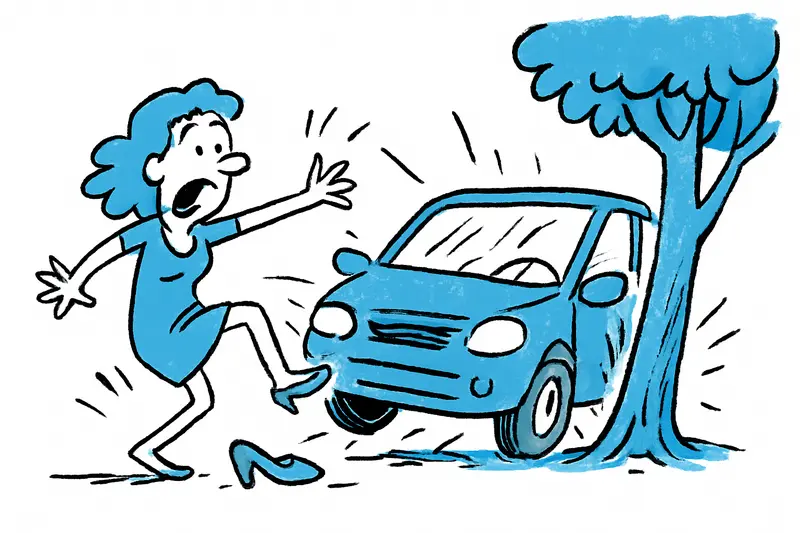
High heel slips, car accelerates: accident on Camí de Son Hugo
A woman lost a high-heeled shoe on the forecourt of the sports facility at Camí de Son Hugo. The car accelerated, mounte...

Phone Scam: How Two Hotel Employees at Playa de Palma Lost Thousands of Euros
One morning in September, two reception employees at Playa de Palma were pressured by alleged alarm-company staff — in t...
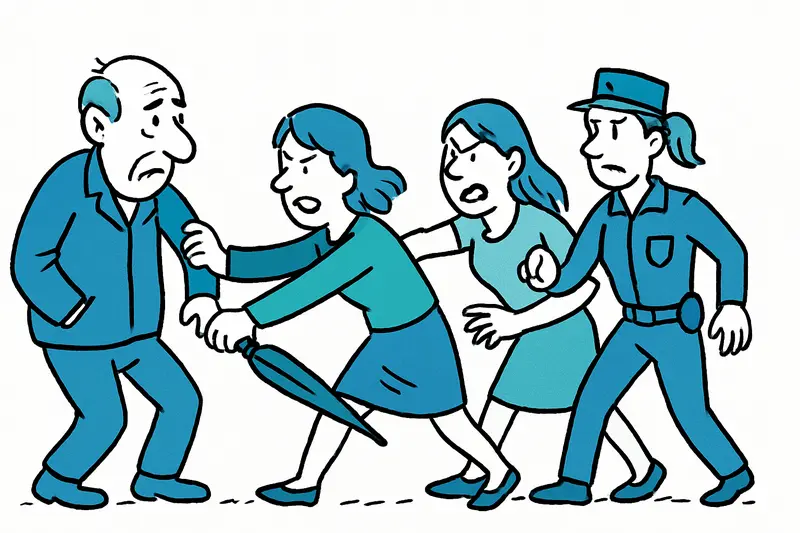
When the Wallet Becomes a Danger: Attack in Peguera and Lessons for Mallorca
In Peguera, two women are said to have stolen the wallet from a 75-year-old German couple. When the victim intervened, t...
Plata stays Plata: Young people take over, Llonguets remain
A small bar on Carrer de l'Argenteria will continue: Tolo Serra hands the place over to young Mallorcans at the end of t...
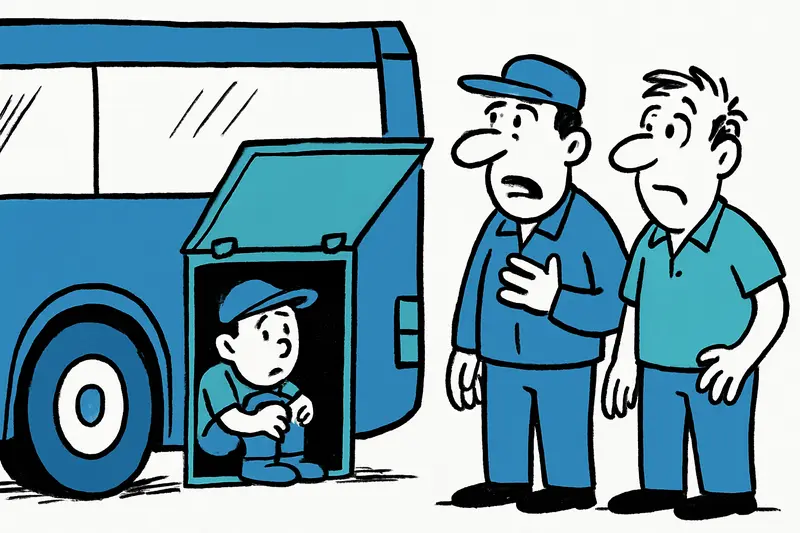
Unnoticed in the Luggage Compartment: How a Boy Traveled More Than 100 Kilometers in a Team Bus
A minor traveled in the undercarriage of a team bus for more than 100 kilometers until his cries for help were heard. A ...
More to explore
Discover more interesting content

Can Cap de Bou

Townhouse Lleo 72
