
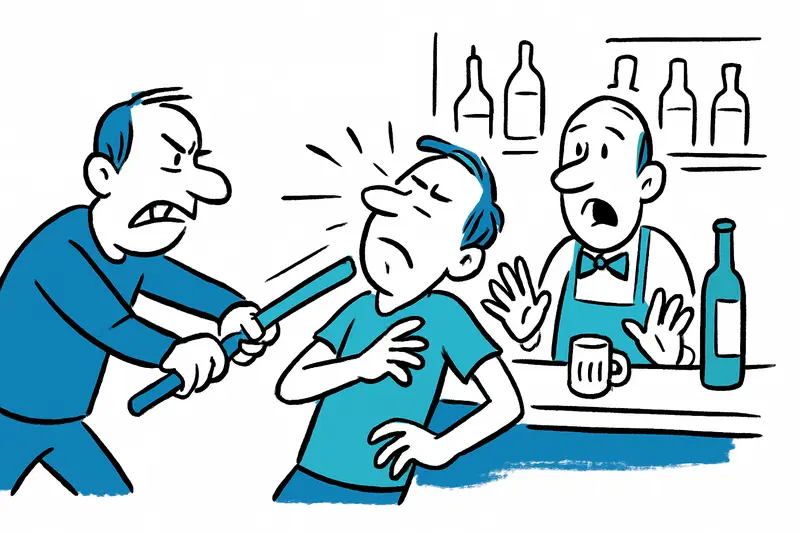
Unpaid Bill: How a Bar Altercation in Rafal Escalated
In Rafal, a dispute over an unpaid bill escalated on May 9: a patron was injured with a metal bar, and police seized a knife and the bar. Why do such conflicts so quickly turn violent — and what needs to change?
Unpaid bill: How a bar altercation in Rafal escalated
On the evening of May 9, around 9:40 p.m., an altercation on the terrace of a bar in the Rafal neighborhood of Palma got out of control, similar to Brawl at Playa de Palma: Why a verbal exchange could have ended fatally. A 46-year-old Spanish patron had apparently consumed several drinks and then refused to pay the bill. What began as a verbal exchange then turned physical: according to investigators, the patron pushed the 41-year-old wife of the venue owner; the owner then grabbed a metal bar and struck the man on the head from behind. Emergency services found the injured victim bleeding heavily and intoxicated; a head laceration required medical attention. Police officers secured a 77-centimeter-long metal bar and a 21-centimeter-long knife and arrested the 38-year-old owner.
Key question
How can an unpaid bar bill end in armed violence and an arrest — and what conclusions is Palma drawing to make such scenes less frequent?
Critical analysis: Why does a comparatively trivial conflict escalate?
There is no single trigger. Alcohol is a clear factor: when patrons are drunk, inhibitions, motor coordination and judgement decline. Then situations that may seem trivial at first take on greater significance: a lack of clear rules in the venue (who calls the police? who documents the incident?), insufficient de-escalation skills among staff, language barriers, or the fear of reputational damage if staff intervene loudly in front of guests. In addition, the presence of a sharp or heavy object increases the likelihood that a conflict will quickly become physical. This overlooks how working conditions, nighttime economy and local security structures interact, as discussed in Molinar in Turmoil: When a Rent Dispute Turns Violent — What Does This Say About Mallorca's Housing Shortage?.
What is often missing in the public debate
The debate frequently runs along two tracks: perpetrator-victim narratives or quick blame placed on newcomers or tourists. This overlooks how working conditions, nighttime economy and local security structures interact. There is little discussion about preventive measures for hospitality businesses, binding rules for dealing with dine-and-dash incidents and who in the municipality is responsible for training and oversight. Rarely addressed is how alcohol policy, alcohol limits and responsible-serving trainings (for example mandatory courses on duty of care when serving alcohol) are implemented in practice, as highlighted by concerns raised in When the Benches Become a Bar: Residents Sound the Alarm on the Paseo Marítimo.
An everyday scene from Rafal
I recently stood at the intersection of Carrer de Joan Maragall and heard the usual evening backdrop: clattering dishes from cafés, motorcycles waiting at the light, and voices from the street cafés. In such corners you meet neighbors, shift workers, but also guests who drop by late at night. Elsewhere, disputes like the Parking dispute in Ses Illetes: Scratches, court and the question of fairness show how minor conflicts can escalate. A small dispute must not become the new normal here: the terrace is part of the neighborhood, and when the sounds of argument and then sirens dominate, everyone's sense of safety changes.
Concrete solutions
The good news: many things can be addressed practically without new laws. Proposals that could help on Mallorca in the short term:
1) De-escalation training for bar staff: Courses that teach simple techniques — how to calm a situation, how to call for support, and how to recognise risk factors. Many conflicts can be defused verbally.
2) Binding procedures for payment disputes: Clear protocols for how staff should respond (e.g. keep distance, identify witnesses, call the police immediately, record the incident in writing) to reduce arbitrary vigilante actions.
3) Visible documentation: A small incident log in the venue, CCTV with notice signs — these measures are preventive and facilitate later investigations.
4) Reporting channels and cooperation with authorities: Fast reporting channels between hospitality businesses and the municipal security authority, regular meetings to discuss problem areas.
5) Alcohol management: Training in responsible serving practices and clear house rules for excessive alcohol consumption.
What local authorities can do
The municipality can create incentives: subsidised training, clear information packages for new operators, simple sanctions for repeated safety violations and a public campaign for safer neighbourhoods. It is important that measures are not only punitive but also offer support — for example for small businesses that fear economic consequences when acting decisively.
Concise conclusion
The arrest after the incident in Rafal shows how quickly an evening can spiral out of control when alcohol, emotions and weapons come together. Punishments are necessary, but they are not enough. If Palma wants to prevent bills from turning into blows and threats with knives, it needs better prevention, clear procedures in venues, and a culture in which staff can act safely without becoming a danger themselves. Otherwise the same unwelcome sound will follow every such case: sirens over the city centre — and the question of whether we truly learn from each incident.
Frequently asked questions
Is it still warm enough to swim in Mallorca in November?
What kind of weather should I expect in Mallorca in November?
Is November a good time to visit Mallorca?
What should I pack for Mallorca in November?
What can you do in Mallorca in November besides going to the beach?
Is Palma de Mallorca worth visiting in November?
Is Alcúdia a good place to go in Mallorca during November?
Can you still go hiking in Mallorca in November?
Similar News

When the Wallet Becomes a Danger: Attack in Peguera and Lessons for Mallorca
In Peguera, two women are said to have stolen the wallet from a 75-year-old German couple. When the victim intervened, t...
Plata stays Plata: Young people take over, Llonguets remain
A small bar on Carrer de l'Argenteria will continue: Tolo Serra hands the place over to young Mallorcans at the end of t...
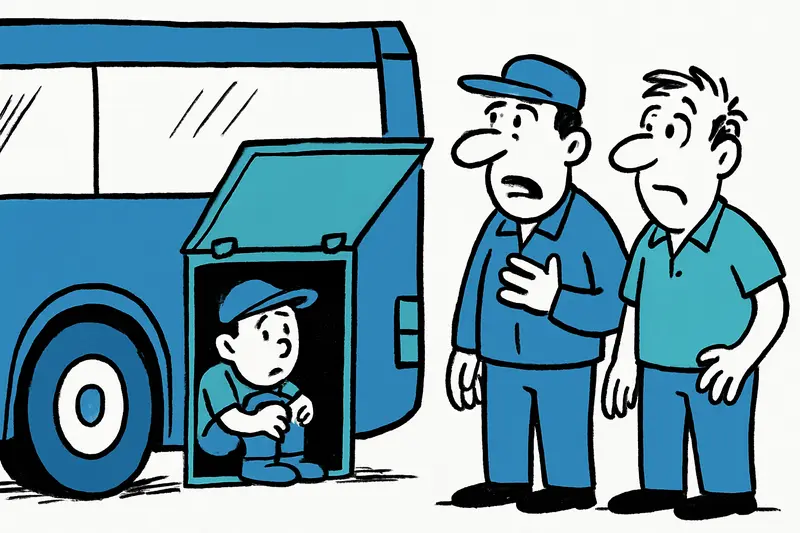
Unnoticed in the Luggage Compartment: How a Boy Traveled More Than 100 Kilometers in a Team Bus
A minor traveled in the undercarriage of a team bus for more than 100 kilometers until his cries for help were heard. A ...

Cap Vermell Grand: Second Michelin Key – a Gift for the East
The Cap Vermell Grand in Capdepera has been awarded its second Michelin key. For the region this elevates the luxury off...
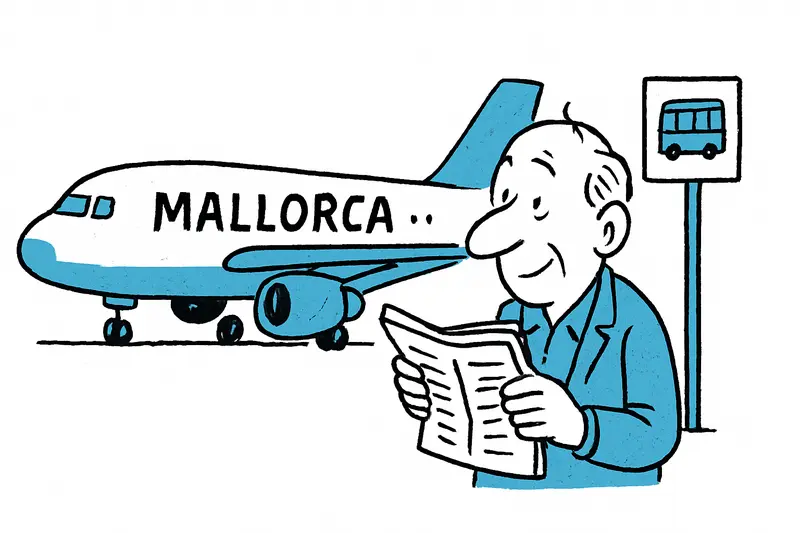
Eurowings lets four aircraft carry names – a friendly idea that also reaches Mallorca
Eurowings is launching a campaign: four Airbus A320s are to carry the first names of people who help others in everyday ...
More to explore
Discover more interesting content

Can Cap de Bou

Townhouse Lleo 72
