
Rain and Wind Spoil Autumn Festivals: How Mallorca's Villages Are Responding
Autumn has left its mark: strong gusts and rain are causing cancellations and postponements of festivals in Sineu, Pollenca and Muro. A look at decisions, risks and possible solutions for coming years.
Autumn storm throws programmes off schedule
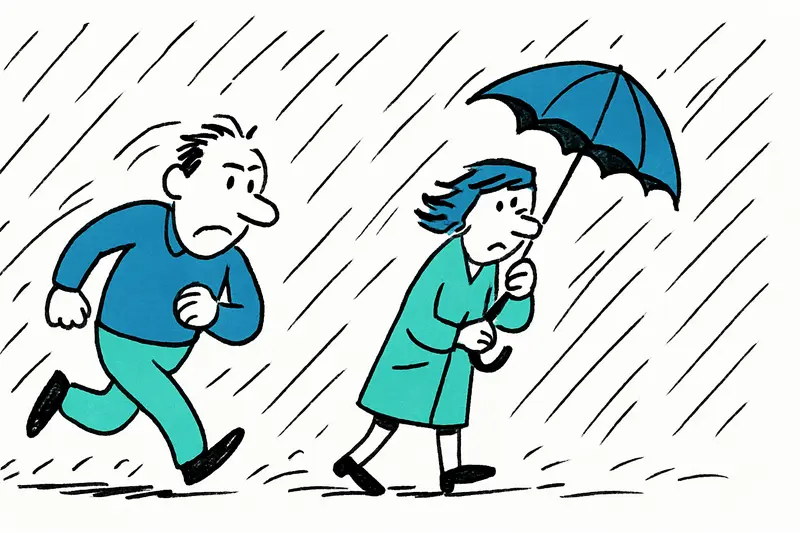
Rain drums on terracotta roofs, the wind blows business cards off the tables — and suddenly the plaça is emptier than planned. This weekend shows how vulnerable Mallorca's village culture is to weather caprice, as reported in coverage of cancellations and postponements across Mallorca. Cancellations, postponements and improvised contingency plans dominate the scene: what is often a whimsical rain story for tourists means real stress for organisers, vendors and volunteers.
Sineu: Lights festival cancelled — safety before romance
In Sineu the decision was made in the morning: the planned lights festival was cancelled. The narrow lanes of the old town, wet cobblestones and candlelight — a combination the organising team did not want to risk. Many stallholders packed up early; the loud silence in the main street was broken only by the clack of wet shoes and the occasional sound of delivery van engines.
Pollenca: Autumn fair scaled down, food service moved
In Pollenca the autumn fair will still take place, but the food offerings are greatly reduced and largely moved to Sunday. Covered areas are being prioritised, outdoor stalls remain closed. The town has announced additional signage for parking changes — a small traffic mess is hard to avoid on such days, and the event is included in roundups of autumn festivals across the island.
Muro: Pumpkin market defies the weather, grand prize delayed
In Muro they are showing more flexibility: the pumpkin market is to take place, but the contest for the biggest pumpkin has been moved to Sunday. The wine tasting at the Santa Anna monastery is still expected on Saturday, but organisers' recommendation is clear: bring a warm jacket, closed shoes and patience.
The real question: how resilient are our festivals?
The short-term decisions raise a guiding question: how can local festival culture be made more resilient against autumn storms? Local forecasts and outlooks, like meteorologists' first autumn outlook for Mallorca, can inform planning. Often it is volunteers who secure tents within hours, follow up on technical appointments and console disappointed children with already purchased raffle tickets. That's wonderful — but also risky and not sustainable in the long term.
It is not just about weatherproof tarpaulins. In many places, standardised emergency plans, fixed alternative venues and financial buffers for weather-related losses are missing. Small vendors who baked bread and cakes in the morning are left with perishable goods. Volunteers suffer from planning pressure and unclear responsibilities — stressful work that is seldom paid.
Concrete opportunities instead of helplessness
Some practicable approaches are obvious and would help reduce risk while preserving festival culture:
1. Central information channels: A unified municipal information channel (SMS, WhatsApp broadcast, town hall website) could reliably communicate short-term changes. Social-media posts alone are often not enough.
2. Covered alternative spaces: Warehouses, church halls or temporary market halls with simple booking procedures could serve as backups. A list of such locations would make planners' work easier.
3. Standardised safety checklists: Wind and fire safety rules for market stalls, mandatory fastening measures and clear cancellation criteria would make decisions easier.
4. Financial reserves and insurance: Grants for weather-related losses or discounted insurance offers for small businesses could cushion trouble and existential risks.
5. Training for volunteers: Short trainings on weather assessment, securing equipment and communication reduce stress and increase safety.
What visitors can do now
If you still want to go out: briefly check the municipality's official channels before you set off, pack a plastic bag for wet flyers and a warm jacket. A phone call to the organiser often saves a wasted trip; as with the postponement of the Palma park festival, checking in can prevent disappointment. And a bit of understanding for the volunteers concerned — that helps more than complaining.
The weekend was a reminder: Mallorca's microclimate does what it wants. Our task is not to fight the wind, but to organise our festivals smarter and more resiliently. Then the plaça will remain a place where neighbours come together even on stormy days — perhaps under a solid roof.
Frequently asked questions
How do autumn storms affect festivals in Mallorca?
What should I wear if I’m going to a festival in Mallorca during rainy weather?
Is the Sineu lights festival usually cancelled in bad weather?
Will the autumn fair in Pollença still go ahead if it rains?
What changes are usually made at the pumpkin market in Muro when the weather is bad?
Where can Mallorca festival organisers move events if the weather turns bad?
How can Mallorca villages make festivals more weather-resilient?
How can I check if a Mallorca festival has been postponed or cancelled?
Similar News

Near-miss on Lanzarote: Landing Ryanair Jet and Iberia Takeoff — what really went wrong
On Lanzarote there was a dangerous incident: A Ryanair flight (FR5910) from Dublin landed on runway 03 while an Iberia E...

Eurowings introduces new Premium Business seats on Mallorca routes
From December 1, selected Eurowings flights to Palma and other destinations will feature eight particularly generous sea...

Car on MA-13 near Inca in flames – a safety check for the island
A vehicle caught fire on the MA-13 towards Alcúdia on Tuesday afternoon. The driver was uninjured, the car was destroyed...

Real Estate in Mallorca: Fewer Buyers, Higher Prices — What's Behind It?
Sales on Mallorca are falling, yet prices continue to climb. Why fewer transactions do not equal relief — and what shoul...
Just Bought — Already Trouble: Water Damage in the Heiters' Villa and What Owners in Mallorca Should Know Now
A newly purchased sea-view property — and within days a water damage. What risks lurk in new properties in Mallorca, and...
More to explore
Discover more interesting content

Can Cap de Bou

Townhouse Lleo 72
