
![[DECORATIVE]](https://olrieidgokcnhhymksnf.supabase.co/storage/v1/object/public/news-images//kaution-kurz-kegelbruder-palma-berufungsgericht-2173.webp)
Bail reduced – what the decision means for victims, defendants and Mallorca
Bail reduced – what the decision means for victims, defendants and Mallorca
An appeals court in Palma has significantly lowered the bail in the Ballermann arson case. What does this mean for those harmed, the defendants and public trust in the island's justice system? A critical look with concrete, everyday proposals.
Bail reduced – what the decision means for victims, defendants and Mallorca
An appeals court in Palma has significantly reduced the bail originally set at around half a million euros. Similar bail controversies have surfaced before, for example the Jaume Anglada bail release. The group from Münster, charged in connection with the May 2022 fire at Playa de Palma, must therefore now deposit only €131,430.60. An amount of €368,569.40 will be refunded to them. The facts are brief: this concerns the fire of a bar in El Arenal, allegedly started by a discarded cigarette from the balcony of a hotel room in the complex where the suspects were checked in at the time; several buildings were damaged and the bar was destroyed. Eight of the accused were held in pre-trial detention for 56 days until bail was paid.
Key question
Is the reduction of the bail a necessary correction of an excessive financial demand — or does the decision create new problems for the victims and the transparency of the proceedings?
Critical analysis
Bail is intended to achieve two things: reduce the risk of flight and cover possible consequences of the proceedings. However, at high amounts the perception quickly arises that bail is being used as a substitute for punishment. The appellate judges considered the original estimate of damages and lost earnings insufficiently substantiated. The court apparently required concrete evidence instead of mere estimates; from this it concluded the drastic reduction.
Formally this is comprehensible. In reality, however, it means that those who suffered immediate economic harm from the fire — the bar operator, employees and neighbouring businesses — are left with a possible gap between the actual damage and what is reimbursed in the short term. Insurance payouts and civil claims often take months or years; for small businesses this can be existential.
What is missing in the public discourse
There is much discussion about the defendants and the amount of bail. Barely audible are the voices of the bar staff, the cleaner, the waiter who went months without pay, or the operator who talks about business interruption. Similar public unease followed the suspended sentence in the Palmanova abuse case. Technical details are also lacking: How was the original damage and profit estimate compiled? What role do insurance payments play? And how transparent are the criteria by which Spanish courts in the Balearics set bail amounts? This echoes wider questions about systemic gaps exposed in cases like the major real estate fraud in Palma.
Everyday scene from Mallorca
Early morning at Playa de Palma: a man sweeps ash residues from the street, seagulls circle, and the first café con leche is served at the corner café. The façade of the once burning bar is still darkened; occasionally a tourist stops, takes a photo and moves on. Behind the noise of the beach bars lie bureaucracy, long letters to insurers and people trying to rebuild their lives.
Concrete solutions
1) Transparent bail calculation: Courts should use a standardized checklist for assessment, including comprehensible criteria for alleged lost profits and an obligation to document these claims with verifiable figures. 2) Emergency funds for micro businesses: A temporary state-managed advance payment could keep small businesses afloat until civil claims or insurance payments take effect. 3) Accelerated expert procedures: Rapid appraisals of fire damage would form the basis for realistic claims and reduce costly disputes over hypothetical profits. 4) Preventive hotel measures: Hotels in sensitive promenade zones could be required to provide smoking information on balconies, secure ashtrays and fire-safety instructions for guests; this would reduce the risk of comparable incidents. 5) Strengthen victim participation: Affected businesses should be involved early in provisional damage assessments, with a clear duty for courts to inform them about the status of repayments.
Conclusion
The bail reduction may be legally correct. But it serves as a reminder that legal certainty does not arise from formal decisions alone, but also from protecting those who are immediately affected economically. On Mallorca, where tourism, small businesses and short distances come together, what is needed now are not only judges but practical mechanisms that enable quick aid while preserving the rule-of-law oversight. Otherwise the lasting impression will be: the scales were adjusted — but not all weights were placed on them.
Frequently asked questions
What does a bail reduction in Mallorca mean for the defendants?
How does bail affect victims after a fire case in Mallorca?
Why did the court in Palma lower the bail so much?
What happened in the Playa de Palma fire case?
How long can people be held in pre-trial detention in Mallorca?
Can a damaged business in Mallorca wait months for compensation after a fire?
What changes could improve bail decisions in Mallorca courts?
Why is Playa de Palma often mentioned in Mallorca court cases?
Similar News
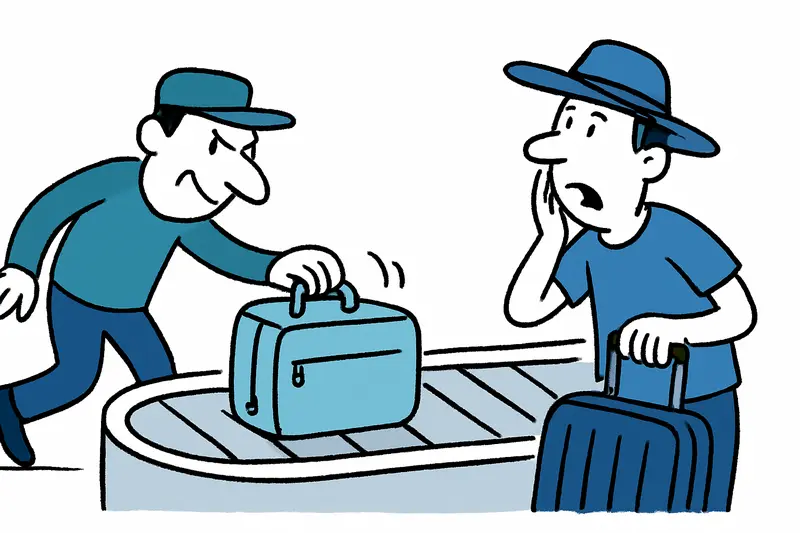
New trick at Palma Airport: suitcase stolen from the belt — a reality check
On September 28 a 36-year-old allegedly stole a suitcase from the baggage belt of a 51-year-old German passenger at Palm...
Urgent Clearing of Palma's Torrents: Flood Prevention or Symptom of Short-Sighted Planning?
The city of Palma is responding to storm forecasts and has cleared several torrents. We ask: Is the short-term clearing ...
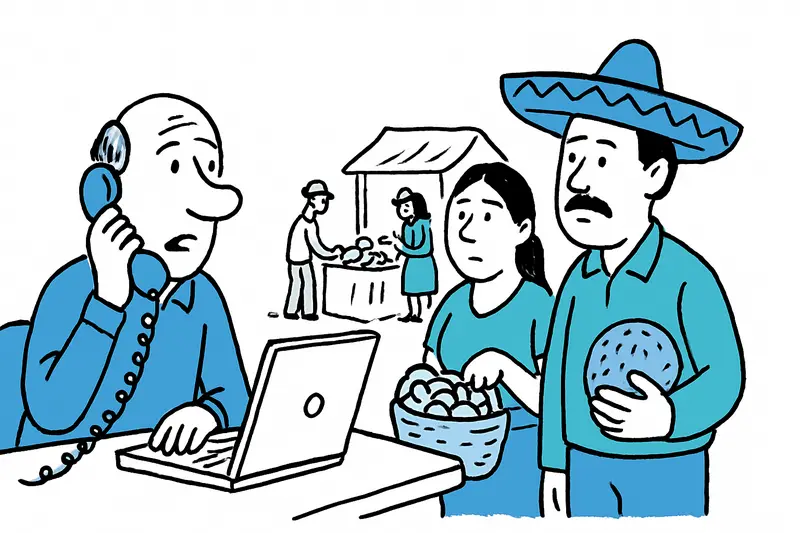
Evaneos and Mexico: A Reality Check for Sustainable Travel
Travel advertising often reads like a promise: local, sustainable, unique. But how deep do these promises really go? A c...

From Megapark to the Altar: Party Singer Now Offers Weddings in Mallorca
A well-known party artist combines partying and marriage: instead of a traditional church there are ceremonies at the Me...
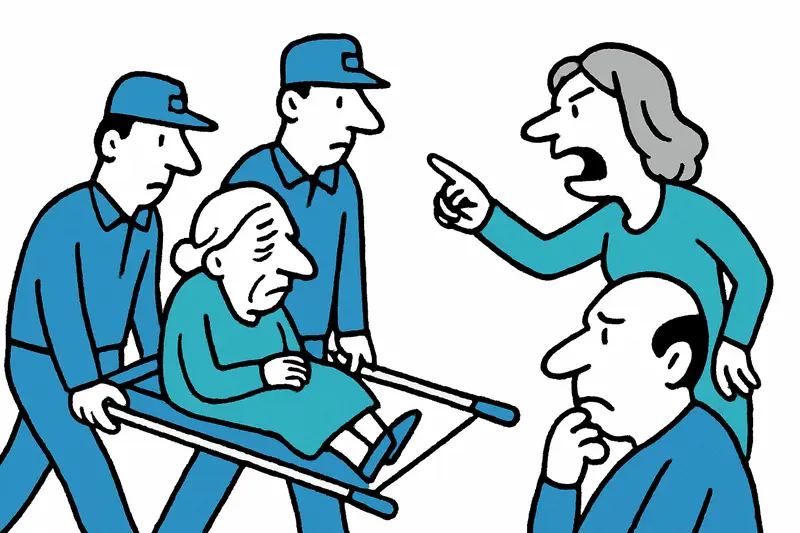
The Maricarmen Case: Why an Eviction Is Forcing Spain's Housing Debate
Images of an 87-year-old woman on a stretcher have sparked a debate in Spain that also runs deep in Mallorca. Who protec...
More to explore
Discover more interesting content

Can Cap de Bou

Townhouse Lleo 72
