
Balearic Islands: Almost One in Two Babies Is Born to a Mother Without Spanish Citizenship
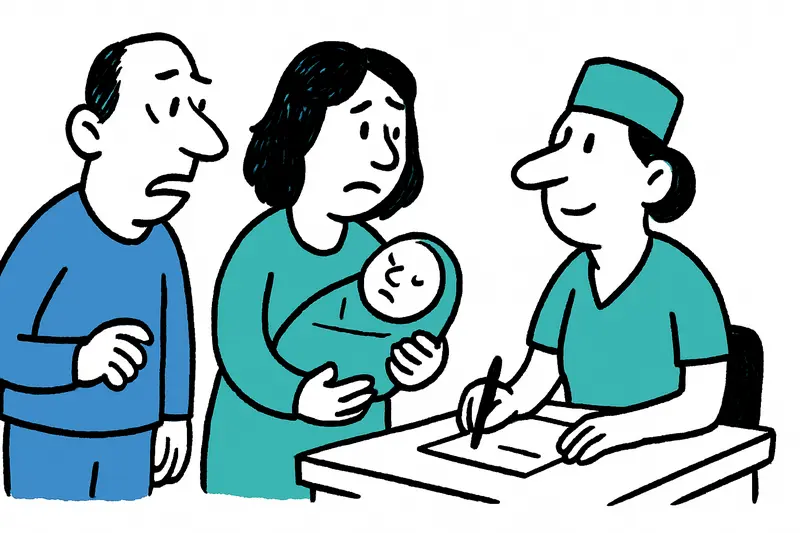
In 2025, 3,919 children were born in the Balearic Islands to mothers without Spanish citizenship. However, this figure says little about the language a child speaks or how the population as a whole is changing.
What the birth figures say about the Balearic Islands—and what they don’t
In 2025, almost one in two babies born in the Balearic Islands had a mother without Spanish citizenship. That is a clear figure. But what does it actually mean for the islands? And what can’t be inferred from it?
According to the INE figures available, 9,007 children were born in the Balearic Islands last year. In 3,919 cases, the mother had a foreign nationality. That amounts to around 43.5 percent, or just under 44 percent. Across Spain, the share was about 34 percent. The number of births to mothers from Morocco was 694, from Colombia 443, and from Italy 195.
These figures relate to the mother’s nationality. They do not automatically tell us the child’s nationality, which languages are spoken at home, or whether a family has only recently moved to the islands. Nor is “foreign” a single life story: it encompasses very different journeys, professions, families, and lengths of residence.
The key question: What is growing here—and what is shrinking?
The comparison with deaths makes the story particularly striking. According to the INE figures cited, 9,025 people died in the Balearic Islands in 2025—18 more than were born that year. More than 90 percent of those who died were Spanish. The figures therefore point to a slightly negative natural balance for the year: there were somewhat more deaths than births.
However, this is not the same as a complete population balance, which also includes people moving to and from the islands. Birth figures alone therefore cannot explain whether the population as a whole is growing or shrinking. It has also been said that the islands’ population has been declining for three years. To assess that statement properly, we would need to know exactly which population measure and period it refers to, and how migration is accounted for.
Anyone who turns the share of mothers without Spanish citizenship into a story about an island becoming “less Spanish” is going too far. Birth statistics do not measure identity. Nor do they tell us whether families feel at home in Mallorca or are managing well in everyday life.
What often gets overlooked in public discussion
When figures like these are discussed, attention quickly turns to origins and percentages. Less visible are the conditions in which children grow up: Is affordable housing available? Can parents find a childcare place? Can people access healthcare and advice if they are not yet confident using the language of the administration? These questions affect families with and without Spanish citizenship—and they help determine whether people can stay on the islands.
An ordinary morning in Palma captures this mix without the need for statistics: a stroller waits outside a bakery, someone holds the door open, cups clink inside a café, and Spanish, Catalan, and other languages alternate on the pavement. This is not proof of any particular trend. It is simply a glimpse of everyday life on an island where many different lives come together.
Likewise, the difference of 18 between deaths and births should not be treated as an explanation for a long-term trend. It is small and describes only the natural balance for that one year. The number of mothers with foreign nationality is relevant, but it does not explain the state of schools or pressure on the housing market. Each of those questions requires its own data.
What can be done in practice
A measured public debate could start with regularly published population data that are clearly broken down: births, deaths, arrivals, and departures should be distinguishable, as should nationality and place of birth. This would prevent different issues from being compressed into a single claim in a headline.
In everyday life, reliable childcare places and accessible healthcare for all families would be practical steps. Multilingual information about registration, preventive care, and starting school can reduce barriers without singling anyone out for special treatment. And anyone discussing population trends should also consider affordable housing and secure work: families do not decide whether they can build a future in Mallorca based on a passport alone.
The figures show that a large share of newborns have a mother without Spanish citizenship. They also show that slightly more people died than were born in the Balearic Islands in 2025. They are not enough to judge belonging, population growth, or the islands’ future. A good debate starts precisely there—and does not stop at the percentage sign.
Frequently asked questions
How many babies were born in the Balearic Islands in 2025?
What share of babies born in the Balearic Islands had a mother without Spanish citizenship?
Does a mother's nationality determine her baby's nationality in Mallorca?
Were more people born or died in the Balearic Islands in 2025?
Does the birth and death balance mean Mallorca's population is shrinking?
How many babies in the Balearic Islands were born to mothers from Morocco, Colombia or Italy?
Do birth statistics show that Mallorca is becoming less Spanish?
What practical support can help families with children in Mallorca?
Similar News

Traffic Violations in Mallorca: What EU-Wide Enforcement Really Means
A new EU rule is intended to make it easier to share information about certain traffic violations. For drivers in Mallor...

When a Takeoff Is Suddenly Aborted: What Mallorca Travelers Should Know
An aborted takeoff is a frightening moment for passengers—and often the start of a long wait. Find out what causes it, w...

Gunfire in Corea: What Palma’s Debate Must Do Now
A police officer is shot in the neighborhood, shaking the community. But between outrage and hasty judgment, what is nee...

Son Ferrer: When a Home Becomes a Dispute for Two Years
An owner has been able to return to his finca in Son Ferrer after two years. The case shows how quickly property rights,...
New Venue at the Harbor: The Poppa Club Moves into the Former Varadero
The Marport Group has unveiled The Poppa Club in the former Varadero building. A terrace, lounge, and views of the bay a...
More to explore
Discover more interesting content

Can Cap de Bou

Townhouse Lleo 72
