
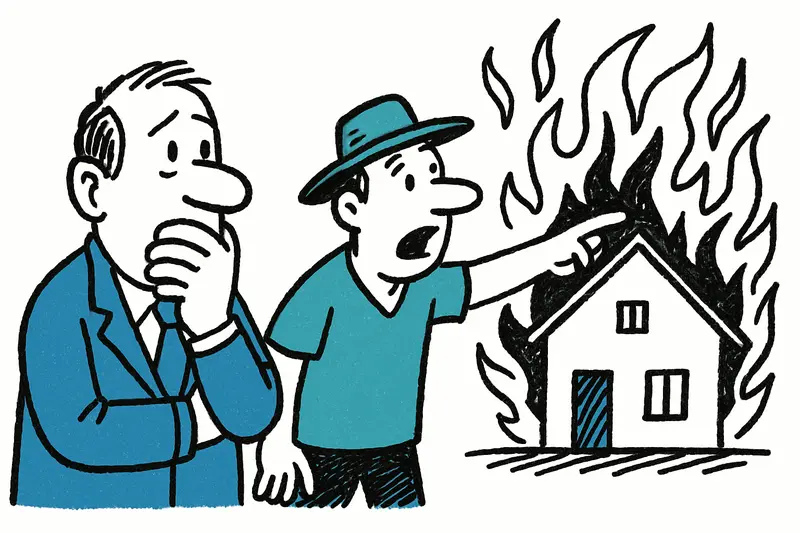
Balearic Islands Declared a Disaster Zone: What This Now Means for Mallorca and Ibiza
Madrid has declared the Balearic Islands a disaster zone. What does this practically mean for families, farmers and communities in Mallorca and Ibiza — and is it enough?
Disaster zone – does it really help or is it mostly paperwork?
On 27 August 2025 Madrid officially declared the Balearic Islands a disaster zone. For many this sounds like bureaucracy; for others it can mean the difference between months of waiting and faster assistance. The central question is: Does this classification speed up help on the ground — or will much remain stuck in forms and responsibilities?
How it happened: sparks, wind and prolonged drought
The spark started on a hot August day on Ibiza, near Santa Eulària. I was in the town, the air hung like a heavy curtain over the alleys, and in the evening the smell of scorched pine resin still lingered in the side streets. Officially only about 0.1 hectares burned, but drought, heat and wind made the situation decidedly precarious. On Mallorca, emergency services reported several new fires in the nights that followed, especially around the s'Albufera nature park – smoke over the fields at sunrise, tractors acting as outposts, and the dull thud of helicopters collecting water.
What the disaster declaration concretely changes
In short: municipalities, families and businesses can now apply for state aid more quickly. This concerns immediate relief for household goods, support for agricultural damage and funds for repairing municipal infrastructure such as roads, water pipes or power supply. Formally this means: coordinated application forms, centralized deadlines and clearer responsibilities so that not every small municipality has to call separately.
However: whether this runs smoothly in practice depends on administrative offices on Mallorca and Ibiza. Small town halls often do not have the capacity to process large volumes of applications in a short time. Here lies a risk that is discussed too little: the declaration only helps if personnel and digital capacities follow.
What is often overlooked – three seldom-heard points
First: many damages are indirect. Stables contaminated by smoke, reduced crop quality, tourism losses due to bad PR – such consequences are hard to quantify but rarely make it into standard forms.
Second: time works against those affected. Years-old insurance contracts, bureaucratic expert reports and deadlines can delay aid. A quick, temporary emergency fund for small farms would be a pragmatic approach here.
Third: prevention must not lag behind; firefighters, municipal workers and volunteers need permanent equipment, regular training and clear rules for controlled burning so that the next crisis becomes less likely — and the islands have even activated the early warning level of the flood emergency plan in other contexts, showing alerts can be raised quickly.
Concrete opportunities and feasible solutions
The disaster declaration is not a cure-all, but it opens doors. Practical proposals that should be tackled immediately:
- Mobile service points: weekly office hours in affected villages so that applications do not have to be taken to the capital first.
- Fast loans and emergency funds: a simplified, small-scale fund for farms and family businesses that pays out until insurance or regular grants are clarified.
- Transparent checklists: standardized lists for damages (stables, harvest, infrastructure) so that assessors can work faster.
- Prevention program: funding for firebreaks, water points for firefighting along rural roads and regular clearing actions for dry underbrush.
What you can do now as a neighbor, hiker or farmer
Stay alert: at the slightest smell of smoke call the emergency number. Report unusual smoke development, even if it is only a suspicion. Help neighbors: often tractors, bucket chains and quick decisions prevent worse outcomes. Check with your town hall about contact points for assistance – and note deadlines so important claims do not expire.
If Madrid provides the paperwork — and has introduced other emergency measures such as a temporary migration emergency for Mallorca, Menorca and Ibiza — Mallorca and Ibiza must fill the desks — with clear procedures, staff and above all a willingness to take prevention seriously. Otherwise much of the aid will get stuck on the way from form to funding.
Frequently asked questions
What does it mean when Mallorca and the Balearic Islands are declared a disaster zone?
Does a disaster zone declaration really help people in Mallorca quickly?
What kind of damage can farmers and businesses in Mallorca claim after the fire risk and smoke?
What should residents in Mallorca do if they smell smoke or spot a new fire?
Why were the fires around s'Albufera in Mallorca a concern even if the burned area was small?
What support can municipalities in Mallorca expect after a disaster declaration?
What deadlines or paperwork should people in Mallorca watch for after a disaster zone declaration?
What can be done in Mallorca to reduce the risk of future fires?
Similar News
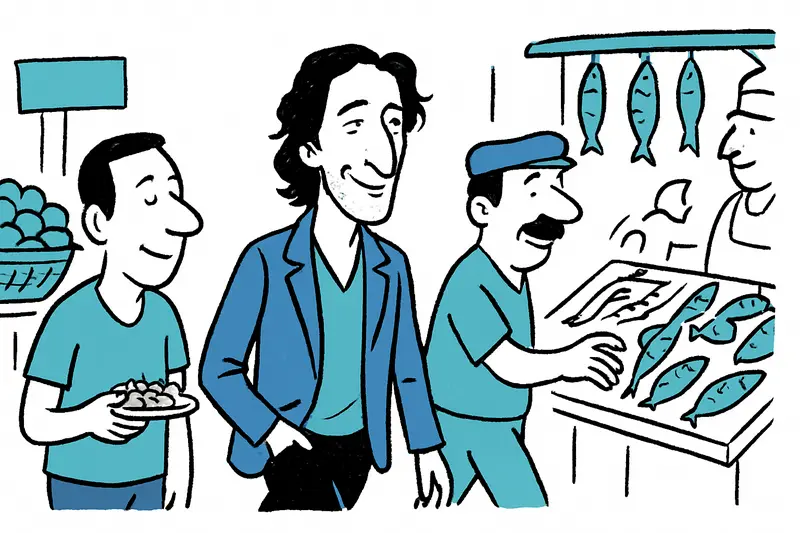
Adrien Brody strolls through Mercat de l'Olivar – celebrity visit leading to Sa Pobla
Actor Adrien Brody was casually spotted at the Mercat de l’Olivar: tapas, fish stalls and later a stop in Sa Pobla spark...
Who can pick up whom? The complicated life of Mallorca's taxis
Three years after the inter-municipal service, empty runs are rarer — but there is a lack of equal treatment, transparen...
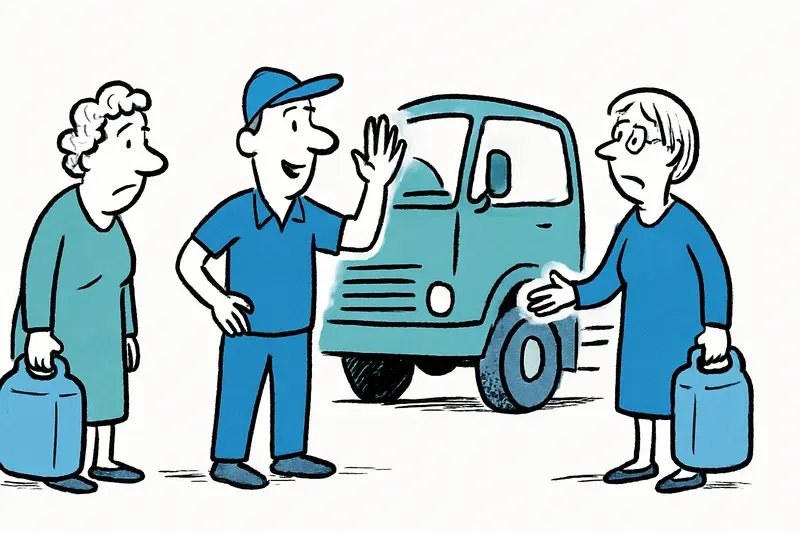
When the Tap Only Runs Sometimes: Why Municipalities in the Balearic Islands Are Now Rationing Water
Deià, Valldemossa, Esporles, Sóller and several places on Menorca are scaling back water supply. Who is responsible, why...
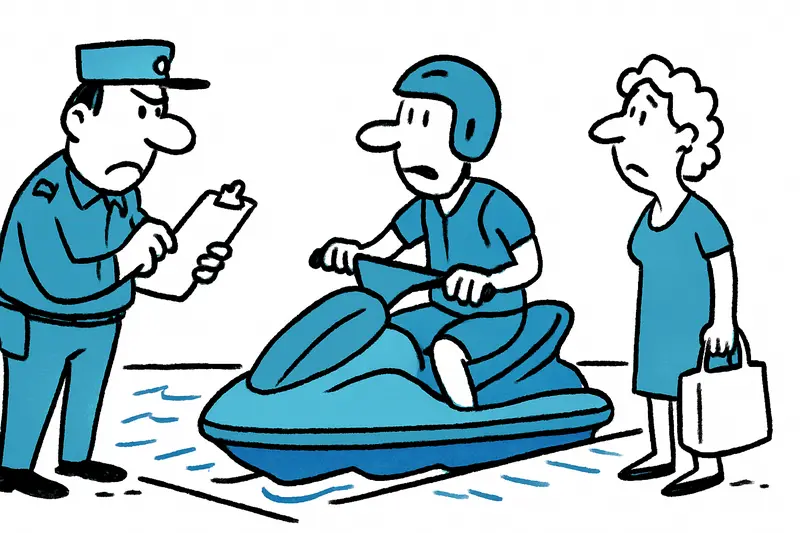
Battle for the Ramp: Why Cala Gamba Needs More Than Enforcement
The Guardia Civil intervened in Cala Gamba — residents breathed a sigh of relief, but unease remains. Key question: Are ...

He dances at the Duty-Free: How an airport employee brings a smile to Palma
A Duty-Free employee at Palma Airport created a viral TikTok with dancing breaks. Why the scene is more than just an int...
More to explore
Discover more interesting content

Boat Tour with BBQ along Es Trenc Beach

Private transfer from Mallorca Airport (PMI) to Pollensa
