
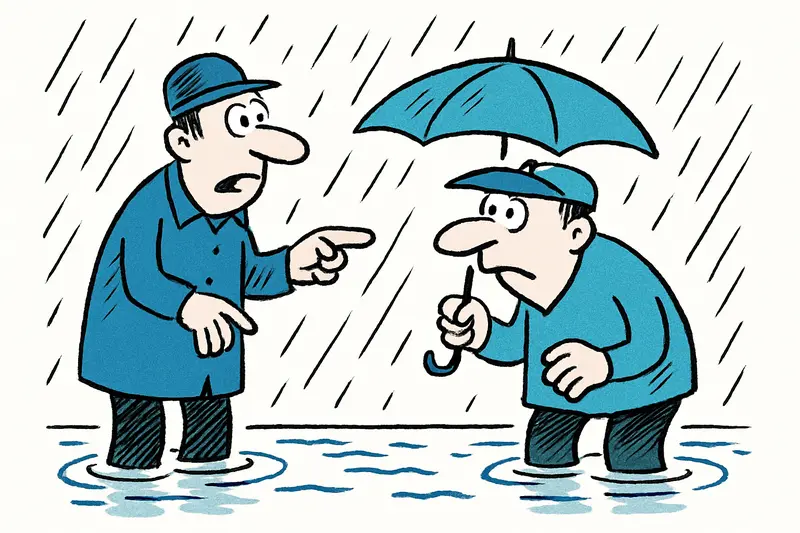
Balearic Islands Raise Early Warning Level – Are We Really Prepared for Heavy Rain?
The Balearic Islands have activated the early warning level of the flood emergency plan. What does this mean in practice for Mallorca's neighborhoods, infrastructure and holiday accommodations — and where are the blind spots?
Early warning level on: A short shower, big questions
This morning as I drove through Palma, the smell of wet stone hung in the air, the streets were shiny, and at the tables in Plaça Major people weren’t talking about the weather but about Orange Alert: Torrential Rains — Is Mallorca Prepared? that the Balearic government activated from 08:00. The measure is officially in place until the end of November and is intended to prepare authorities, emergency services and municipalities for possible heavy rain and flooding events. The central question I can’t shake: Are we really prepared — from the municipal office to the holiday apartment by the sea?
What the early warning level specifically means
In short: increased state of alert. Fire departments, civil protection and emergency chains will be more closely networked, there will be additional inspection rounds at sensitive locations like the Torrent de Sa Riera, extra patrols in the floodplains and more intensive coordination with AEMET weather warnings for Mallorca. Portopí has set up a small coordination office; no panic, rather an advance team to check whether everything works, noted in Severe Weather Warning for Mallorca: Are Our Towns and Beaches Prepared?.
That makes sense. But good preparation does not end with operational plans. It begins with maps, measurement data — and clean gutters.
The blind spots: where everyday life falters
People often overlook how much small things increase risk: cars parked in depressions, poorly maintained sewage channels, neglected grit traps at driveways. In recent years the same places have repeatedly gotten wet: lower sections of the Carretera de Valldemossa, some corners in Portorgel and streets at the foot of Son Espases, as reported in Severe weather alert in Mallorca: Are we prepared for the deluge?. This is no coincidence, but the result of urbanization, narrow streets in old towns and insufficient maintenance.
Seasonal dynamics also play a role: many holiday homes stand empty or are owned by changing landlords. When rain comes, it often affects people who are not on site or who face significant language or information barriers — seasonal workers, elderly long-term guests, tourists. The warning chain must not break here.
Concrete opportunities — what could be improved now
A few pragmatic steps would help a lot:
Regular channel maintenance: Municipalities should communicate maintenance intervals openly and prioritize known problem areas.
Early warning and information systems: In addition to sirens, SMS services, local WhatsApp groups and multilingual notices help — especially in neighborhoods with many holiday rentals; see also Protección Civil flood preparedness guidance for public guidance.
Temporary protective measures: Mobile barriers at river crossings, sandbag depots for neighborhoods and clearly marked evacuation routes.
Green infrastructure: Infiltration areas, retention basins and fewer sealed surfaces in new developments reduce peak runoff in the long term.
Closer involvement of neighborhood community: Volunteer groups can patrol, run small reporting points and reach the most vulnerable people.
What residents and visitors can do immediately
Some measures are entirely up to us: don’t park cars in depressions, keep gutters and courtyard drains clean, stay attentive to warnings. Check whether your holiday renters are informed about the nearest emergency plan; landlords should leave clear instructions in several languages. If you see blocked manhole covers or unusual water levels, report it to the municipal administration — often a short notice prevents greater damage.
And one very basic thing: a small emergency bag with a flashlight, charger, water and important documents helps more people than you might think.
Not an alarm, but a wake-up call
The early warning level is not a disaster announcement, but a sensible alert. It gives authorities time to check whether the chain works — from the weather forecast to the person who gets up at night because the cellar is flooded. At the same time it shows where investments are needed: in sewer networks, in training volunteer helpers, in raising awareness for residents and guests.
I will visit checkpoints in the coming weeks and report on how the measures take effect. Don’t just listen to the sirens, don’t roll your eyes at mobile alerts — read the instructions and act. A little caution ultimately saves nerves and work.
In short: The Balearic Islands have become attentive. Good. And yes: a short, heavy shower can quickly become a challenge here — but with better maintenance, clear information and solidarity many problems can be avoided.
Frequently asked questions
What does the early warning level for heavy rain mean in Mallorca?
How serious is heavy rain in Mallorca during autumn?
What should I do if heavy rain is forecast in Mallorca?
Is it safe to drive in Mallorca when there is heavy rain?
Why is Palma more vulnerable to flooding in some areas?
What is special about the Torrent de Sa Riera during heavy rain in Mallorca?
How can holiday home guests in Mallorca prepare for flooding?
Which simple home checks help reduce flood risk in Mallorca?
Similar News
First Day, First Consequences: What Palma's Rent Freeze Really Means
A new decree stops a planned eviction in Palma — but what really changes for tenants and landlords? A reality check with...
When Housing Becomes a Matter of Survival: Mallorca Between Rental Frenzy and Everyday Life
The case of 87-year-old Maricarmen showed that on Mallorca many people's lives are poised between affordable and uninhab...
Autumn in Mallorca: When Melancholy Gets a Window
Why autumn quietly tightens here — and how to make use of the mood: walks, culture, candles and the light from Palma to ...

Near-miss on Lanzarote: Landing Ryanair Jet and Iberia Takeoff — what really went wrong
On Lanzarote there was a dangerous incident: A Ryanair flight (FR5910) from Dublin landed on runway 03 while an Iberia E...

Eurowings introduces new Premium Business seats on Mallorca routes
From December 1, selected Eurowings flights to Palma and other destinations will feature eight particularly generous sea...
More to explore
Discover more interesting content

Can Cap de Bou

Townhouse Lleo 72
