
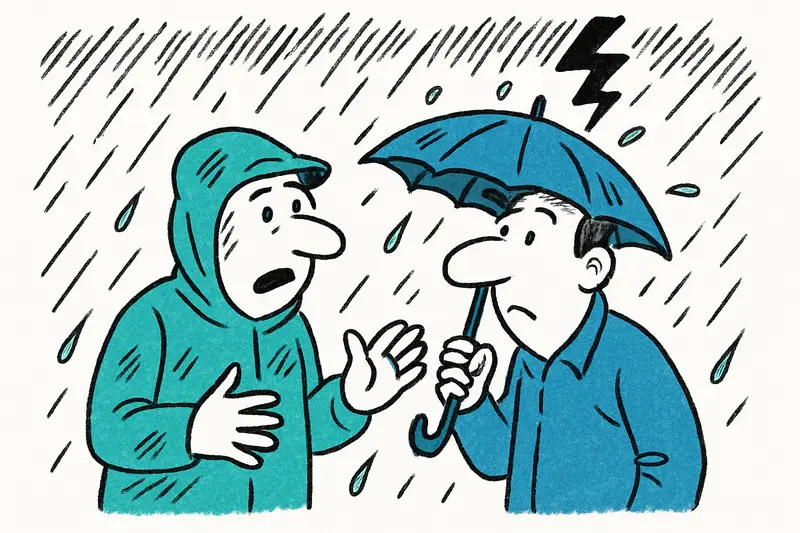
Severe weather alert in Mallorca: Are we prepared for the deluge?
Aemet warns of up to 140 liters of rain per square meter — an orange alert for the entire island. We ask: How well do drainage, emergency planning and flood defenses work?
Severe weather alert in Mallorca: Are we prepared for the deluge?
The rain alarm came early, and it didn't sound like a gentle coastal breeze: Aemet has set the whole island to Orange Alert: Torrential Rains. Forecasts show numbers you wouldn't want to test on your own terrace — up to 140 liters per square meter in twelve hours, locally 50 liters per square meter in one hour. I was on the promenade in Palma this morning; fishermen were tying their nets tight, posters were already flapping on Avinguda de Gabriel Roca, and at the market vendors were clearing their throats and saying it was better to stay closed if it really started.
The key question: Is Mallorca's infrastructure sufficient?
That's the question rarely asked between sips of coffee and traffic reports: Can drainage, sewage systems and emergency plans withstand such amounts of precipitation? In short: some sections can, others cannot. Known problem areas are the low-lying zones along the MA-19, certain side streets in Palma and the foothills of the Tramuntana, where water rushes down into the valley, as highlighted in Storm Alert: Is Mallorca Prepared for the Deluge?. Maps show the risks, but the reality is clogged drains, improvised sandbags and residents pumping water out of basements at night.
What often gets overlooked in public debate
It's not just about rainfall totals and warning levels. Three things are seldom discussed loudly enough: first, the role of litter and poor infrastructure — plastic bags and construction debris block drains and turn streets into basins. Second, the disparity between tourist areas and residential neighborhoods: promenades and hotel complexes often have better preparations than private estates or older city districts. Third, the economic consequences for small traders and producers: weekly markets can be canceled, fields can be flooded, and insurance doesn't always cover damage to smaller businesses.
Concrete immediate measures — what can help now
Some measures are banal but effective: citizens should secure balcony furniture and bins, avoid parking in depressions and close windows. Farmers should move animals to higher barns. Municipalities must check drains, have mobile pumps ready and close particularly vulnerable underpasses. The fire brigade asks people to refrain from risky rescue attempts and to report emergencies via 112 emergency number. For hotels and ferry operators this means: review emergency plans, inform guests, check transfers.
Longer-term solutions — opportunities arising from the crisis
Recurring heavy rain isn't an accident, the climate is changing the rules. This is an opportunity: ecological drainage concepts (more green areas, infiltration zones), renewal of old sewers, removal of illegal waste and targeted maintenance of riverbeds could make the island more resilient. Digitally linking weather warnings with hotels, ports and agriculture would also shorten reaction times. Above all, more transparency is needed: citizen maps that show hazard zones and clear points of contact in every town.
What everyone can do
The best measures are often local: neighbors sharing sandbags; shop owners protecting their entrances; associations helping to clear drains. It's not glamorous, but it's effective. In Port de Sóller, by the bay, I heard musicians carrying their instruments to safety this morning — a small image of what helps: preparation, community and driving slowly on wet seafront roads.
Looking ahead
The warning is in effect until Wednesday morning for now, after which the situation should calm down. Aemet official warnings updates continuously, authorities monitor webcams and operations. For Mallorca this means: go through the day with your eyes open, no heroics in riverbeds and call 112 if needed. And maybe one more thing: when the rain comes, make a cup of tea, close the window and keep an eye on your neighbors. Because often small, coordinated steps save more than the loudest alarm.
Frequently asked questions
What does an orange weather alert in Mallorca mean?
Is it safe to drive in Mallorca during heavy rain?
What should I do to prepare my home for torrential rain in Mallorca?
Which parts of Mallorca are most at risk of flooding during heavy rain?
What should I do if I get caught in flooding in Mallorca?
Can markets and small businesses in Mallorca be affected by heavy rain?
How does heavy rain affect Port de Sóller in Mallorca?
How long do weather warnings usually last in Mallorca?
Similar News

Near-miss on Lanzarote: Landing Ryanair Jet and Iberia Takeoff — what really went wrong
On Lanzarote there was a dangerous incident: A Ryanair flight (FR5910) from Dublin landed on runway 03 while an Iberia E...

Eurowings introduces new Premium Business seats on Mallorca routes
From December 1, selected Eurowings flights to Palma and other destinations will feature eight particularly generous sea...
Car on MA-13 near Inca in flames – a safety check for the island
A vehicle caught fire on the MA-13 towards Alcúdia on Tuesday afternoon. The driver was uninjured, the car was destroyed...

Real Estate in Mallorca: Fewer Buyers, Higher Prices — What's Behind It?
Sales on Mallorca are falling, yet prices continue to climb. Why fewer transactions do not equal relief — and what shoul...
Just Bought — Already Trouble: Water Damage in the Heiters' Villa and What Owners in Mallorca Should Know Now
A newly purchased sea-view property — and within days a water damage. What risks lurk in new properties in Mallorca, and...
More to explore
Discover more interesting content

Can Cap de Bou

Townhouse Lleo 72
