
Being Seen: When an Exhibition Is More Than Pictures on the Wall
An artist prepares a small exhibition in Palma. Amid boxes, lighting cables and the sound of coffee service, encounters arise — not only between people and images, but between neighbors and a city that shows again what it can do.
Being Seen: When an Exhibition Is More Than Pictures on the Wall
On Passeig Mallorca it smells of fresh bread and espresso, and somewhere in Santa Catalina a spoon clinks against a cup. Between boxes, tape and the low hum of a lamp I place the final works into frames. These are the days before a small exhibition — that strange time when something very personal suddenly becomes part of the public.
Choosing the works feels like simmering a stew: a little from here, a little from there. I put them side by side, step back, swap positions. Some hang perfectly at once, with others the light is wrong and the shadows play tricks. And very often I think of the people who will later stand before them: What stories do they bring? Which memories will my colors set in motion?
The beauty of it is: no one can predict what a picture will trigger in another person. A visitor stops because the color palette reminds them of a rainy afternoon in Portocolom; another encounters the same work with a completely different memory of a face. The encounter is not one-way. I set my expectations aside and let the work grow through foreign eyes.
Being seen is different from being looked at. On the Plaça Major you see older women sitting in the sun in the morning leafing through the newspaper; you see them. Being seen is when someone asks, "What does this mean to you?" and then truly listens. It costs little time, sometimes only a small gesture, but it creates closeness.
While preparing the exhibition I often experienced how a simple question changes the tone: instead of explaining right away, I wait. I ask back. This tiny delay makes room for surprises. People tell stories, sometimes about things they hardly believe themselves, and we find a moment we can share.
For Palma, I believe, this matters. Our island lives from encounters — not only from postcard views and Instagram photos. Small exhibitions, concert sessions in cafés or open-air readings, and initiatives such as Porto Pi as an Open Studio: A Weekend of Color, Sound and Neighbors are places where locals and visitors briefly give each other the same attention. That enriches public life, as when Nit de l'Art: Palma Shines on September 20 – The City Becomes a Gallery turns the city into an extended gallery.
On the evening of the vernissage voices will be softer, more listening, less chatter. Perhaps someone will linger longer in front of a seemingly unremarkable picture than I would like. I will smile, maybe offer a glass of wine, but above all: I will make space. For a second look. For a new interpretation.
Those who show themselves — an artist, a friend, a neighbor — give up a bit of security. You risk being misunderstood. And precisely because of that, the willingness to look is so precious. An honest "I don't quite understand you, tell me more" can create more closeness than any immediate agreement.
My invitation to the island is simple: give each other these glances. Come to the small exhibition spaces such as Open House Palma: Over 60 Doors Open — the City Up Close and ask what lies behind them. Sit in a café on Avinguda Jaume III, listen when someone talks about their day. A second look doesn't cost much, but it changes everything.
In a few days I'll hang the last pictures, check the light and step back. When the door opens and voices flow in — the clatter of cutlery, the soft laughter, the occasional sigh of a viewer — Palma will have drawn a little closer together. Not through big words, but through small actions: looking, asking, really listening. That's exactly what keeps our city alive.
Frequently asked questions
What makes a small Palma exhibition feel different from a larger show?
How is a Palma exhibition prepared to engage visitors?
What should I expect at a vernissage in Palma?
How can I have a meaningful art encounter in Mallorca?
Where can I find community-focused art events around Palma?
What role do small exhibitions play in Palma’s public life?
How can I have a thoughtful art experience in Palma’s cafes and plazas?
Which public spots in Palma best show how locals and visitors connect through art?
Similar News
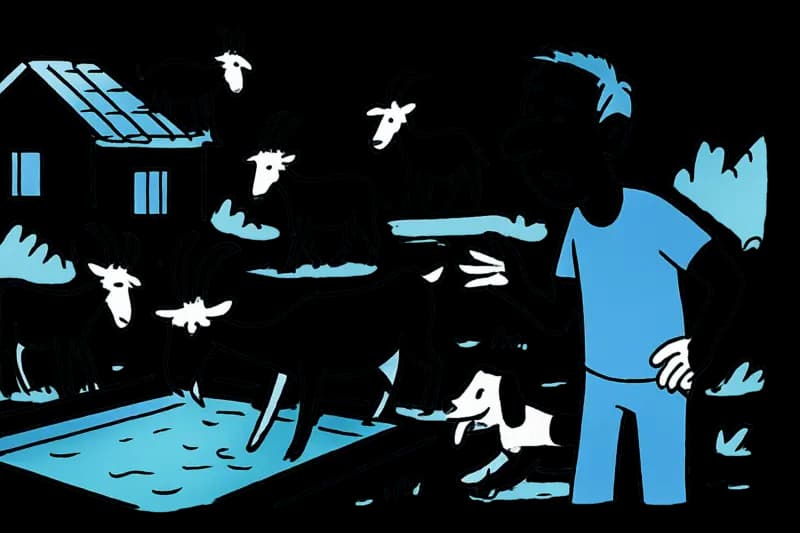
When the Goats Arrive: Estate in Es Capdellà Does Not Do Enough to Defend Itself
A German owner in Es Capdellà reports that up to 44 wild goats regularly visit his 30,000 m² property, drink from the po...
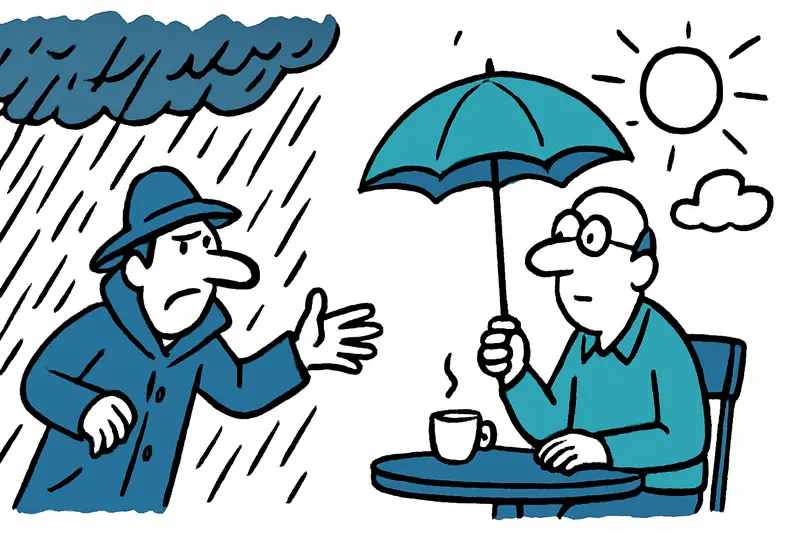
Red warning on the mainland, yellow to orange here: What do the storms reveal about preparedness and risk?
Torrential rains caused severe damage on the Spanish mainland; a man died in Catalonia. Why was the mainland hit harder ...
Beach party or public order issue? Police clear Playa de Palma after illegal parties
During checks at Playa de Palma in mid-September several speakers were seized and dozens of fines issued. How can the co...
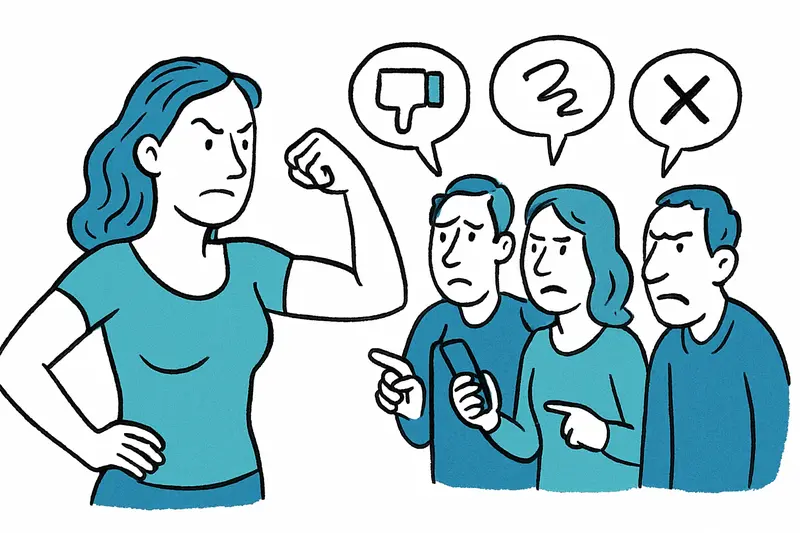
Caro Robens: 15 kilograms lighter — and again in the crossfire of online comments
Bodybuilder Caro Robens, who lives in Mallorca, has lost 15 kilograms. Her success on Instagram was met with applause — ...
Meager Industry in Mallorca: How the Island Can Be More Than Just Tourism
The industrial sector in Mallorca is shrinking, productivity is falling and firms remain tiny. The key question: can the...
More to explore
Discover more interesting content

Can Cap de Bou

Townhouse Lleo 72
