
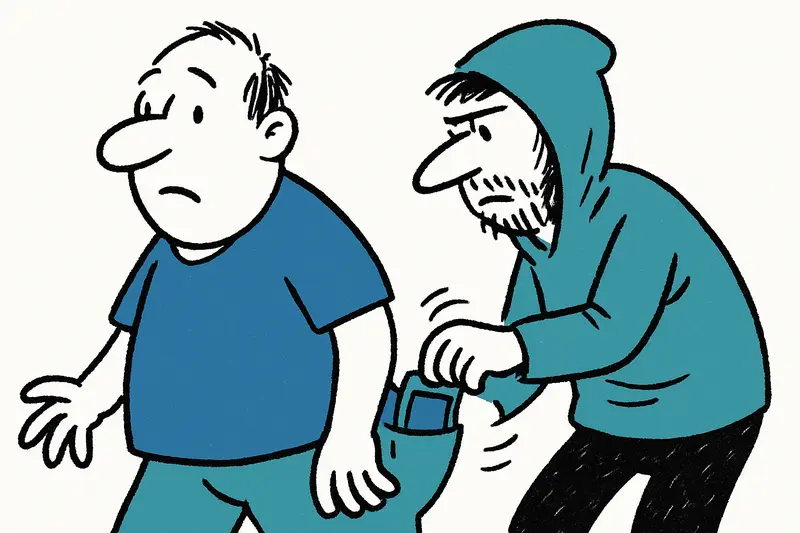
Alert on the East Coast: Pickpockets in Cala Millor and Sa Coma — What to Do Now
Growing reports of pickpocketing on the east coast — especially in Cala Millor and Sa Coma — demand more than warnings: What is missing, who is responsible, and which short- and medium-term solutions really help both residents and tourists?
Why are thefts increasing on the east coast — an alarm for tourists and residents
On the Passeig in Cala Millor the sea rushes, seagulls screech and the ice cream shop next to the beach bar fills the air with the scent of vanilla. Still, conversations in local Facebook and WhatsApp groups have changed in recent weeks: cash, passports and phones disappear, often in very brief, targeted situations. The central question is: are these opportunistic individuals or organized gangs at work? This trend is also discussed in Alerta en la costa este: carteristas en Cala Millor y Sa Coma — qué hacer ahora.
What the reports have in common
The accounts are similar. It is usually midday, when families with crying children and the clatter of deckchairs fill the promenade. A sudden crowd near a beach access, two people creating a distraction, an alleged ball being searched for — and the wallet is gone; these distraction methods are described in Carnations, Rosemary and Bags: Why Cala Millor Is on Alert Now. Older guests with walkers or people just coming out of the water appear particularly vulnerable: wet flip‑flops, sunscreen on their hands, and a bag hung open over a backrest. These scenes seem banal, but the consequences are not.
Why Cala Millor and Sa Coma in particular?
The east coast is still well visited in late autumn, main season staff levels are reduced and small tills are thinly staffed. Few controls combined with many inattentive tourists create an ideal environment. Sunbeds, phones left on tables and documents lying around openly make it easy for thieves. In addition, perpetrators exploit social situations, rely on short lapses of attention and disappear quickly into the crowd or into a waiting vehicle.
What public discussion often overlooks
The usual advice is: "Be careful, watch your things." That is correct but incomplete. Little attention is paid to how much infrastructure must cooperate: inadequate lighting in parking areas, missing signs in several languages, and poorly coordinated reporting chains between hotels, promenade businesses and the police. Also underestimated is the psychological effect — tourists feel safe on holiday and therefore lose everyday distrust that thieves exploit.
Concrete immediate measures for tourists
Practical and without panic: keep passports and larger amounts of cash in the hotel safe. Carry a second small wallet with little cash as a decoy. Waist packs worn under clothing or small chest pouches work far better than loose shoulder bags. Separate card and ID, store copies of documents separately — and never leave valuables unattended on the beach, not even for five minutes. More practical advice is available in Stay Safe: How to Avoid Pickpocketing in Mallorca.
What municipalities and businesses can do
More presence on the promenades, especially between 11 a.m. and 2 p.m., would make a big difference. Police patrols are important, but coordinated prevention is even more effective: clear signage in German, English and Spanish, information sheets at check‑in, short trainings for bar and beach staff so they can recognise and report suspicious behaviour more quickly. Small investments, such as lockable beach lockers or visible camera monitoring at hotspots, significantly reduce opportunities for offenders.
Technical and organisational solutions
For travellers, tracker apps, the ability to deactivate cards via app and photo copies of documents in the cloud help. At municipal level, some places are considering temporary information stands in high season or local alert groups to spread reports faster. Insurances should provide clearer guidance on what to do in case of theft — filing a report, blocking cards, contacting the embassy.
What police and policymakers should address
The problem cannot be solved by warnings alone. An analysis is needed to determine whether coordinated gangs are operating, and if so, targeted investigations. Official guidance can be found on the Policía Nacional official website. In the long term, better lighting, regular presence days by the Guardia Civil or Policía Nacional and a reporting system for hotels that evaluates anonymised patterns (times, locations, descriptions of perpetrators) and forwards them to the police would help.
Simple, effective — and a bit tedious
A large suitcase of measures is not necessary; what is needed is systematic thinking. Small investments by hotels (safety information, safe boxes), greater visibility by authorities and attentive staff on promenades often suffice. For tourists: distrust is not a killjoy but a layer of protection. Keep your bag close by your legs, not open over a backrest — old‑fashioned, but effective.
If you are affected: stay calm, file a police report, block cards and inform your accommodation. And please: share your incident in local groups — not out of sensationalism, but so others are warned and authorities can detect patterns.
Frequently asked questions
Is pickpocketing a problem in Cala Millor and Sa Coma right now?
What should I do if my wallet or passport is stolen in Mallorca?
How can I avoid pickpockets on the beaches and promenades in Mallorca?
Are older visitors more at risk of theft in Cala Millor?
Why do thefts often happen at midday in Cala Millor and Sa Coma?
Should I keep my passport in the hotel safe in Mallorca?
What can hotels and businesses in Cala Millor do to reduce theft?
Is it safe to leave bags on the beach in Sa Coma?
Similar News
When Housing Becomes a Matter of Survival: Mallorca Between Rental Frenzy and Everyday Life
The case of 87-year-old Maricarmen showed that on Mallorca many people's lives are poised between affordable and uninhab...
Autumn in Mallorca: When Melancholy Gets a Window
Why autumn quietly tightens here — and how to make use of the mood: walks, culture, candles and the light from Palma to ...
Near-miss on Lanzarote: Landing Ryanair Jet and Iberia Takeoff — what really went wrong
On Lanzarote there was a dangerous incident: A Ryanair flight (FR5910) from Dublin landed on runway 03 while an Iberia E...
Eurowings introduces new Premium Business seats on Mallorca routes
From December 1, selected Eurowings flights to Palma and other destinations will feature eight particularly generous sea...
Car on MA-13 near Inca in flames – a safety check for the island
A vehicle caught fire on the MA-13 towards Alcúdia on Tuesday afternoon. The driver was uninjured, the car was destroyed...
More to explore
Discover more interesting content

Can Cap de Bou

Townhouse Lleo 72
