
Brakes cut, GPS tracker in the car: Who protects victims when surveillance begins in a relationship?
Brakes cut, GPS tracker in the car: Who protects victims when surveillance begins in a relationship?
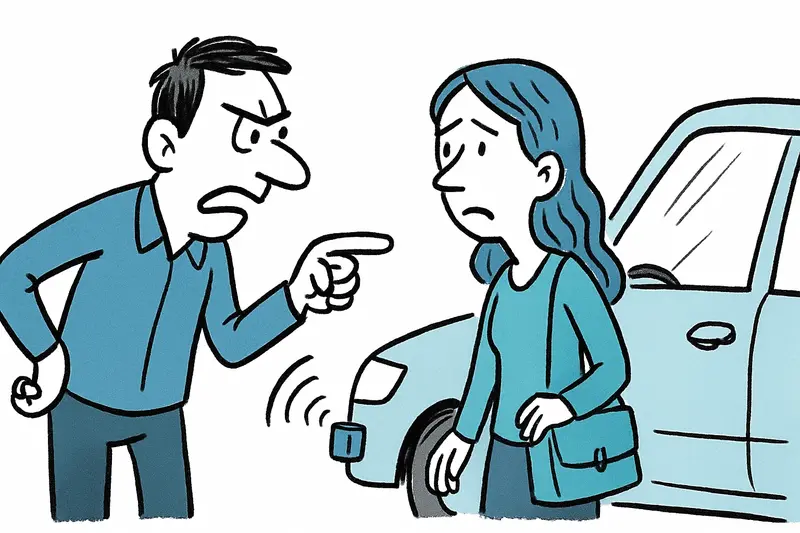
In Palma a man is in pretrial detention after his ex-partner reported that the brake lines of her car were allegedly tampered with and a GPS tracker attached. A case that raises more questions than answers — especially for women who feel observed during separations.
Brakes cut, GPS tracker in the car: Who protects victims when surveillance begins in a relationship?
Key question
How well is the island prepared when a relationship turns into targeted violence and technical surveillance?
Case summary
The National Police on Mallorca have recently arrested a foreign resident. By judicial order he is being held in pretrial detention in Palma. The accusation: allegedly disconnecting the brake system on his former partner's car, attaching a GPS tracker to the vehicle, stalking and violations of privacy. The woman reported the incidents and investigations are ongoing.
Critical analysis
At first glance it sounds like a nightmare from a thriller: someone follows and manipulates the vehicle, trying to control where the other person is. In reality it is precisely these elements — control, technology, violence — that make separations particularly dangerous. Technical surveillance easily disappears into everyday routines, as shown by Hidden Cameras North of Palma: Trial, Distrust and the Question of Our Protection. A small tracker on the underside of a car goes unnoticed, and tampering with brake lines is a subtle act with maximum danger. Police work therefore needs more than standard protocols: evidence collection on the vehicle, digital forensics, fast cooperation with courts, and above all the perspective of those affected.
What is missing from public discourse
There is a lot of talk about perpetrators and arrests, too little about prevention and the visibility of dangers. Public debates concentrate on individual cases, not on patterns such as Four Years of Fear in Palma: How Neighbors, Justice and the City Must Improve Protection. How many reports of stalking or unlawful surveillance reach police desks each month? What technical aids are available to those affected? And how quickly are protection orders implemented — especially in the busy summer months, when Palma is full of people and dark corners do not remain unnoticed for long?
An everyday scene from Palma
In the early morning the city is still half-asleep. The street sweeper whistles on Passeig Mallorca, delivery vans manoeuvre, an espresso steams in the corner café. It is at these hours that some women leave the house, perhaps unaware that someone has attached tiny devices to their car. On the way to Mercat de l’Olivar the streets are full, and yet such interventions can remain unnoticed — because they are quiet and technical traces are hard to detect without expert inspection.
Concrete solutions
- Awareness campaigns: Information leaflets at town halls, doctors' offices and petrol stations explaining signs of stalking and how to detect a possible GPS tracker.
- Quick checks in parking lots: Mobile police units or trained volunteers with simple detectors could offer free checks — visible, calm and routine rather than alarmist.
- Better technical equipment for the police: More resources for digital forensics and vehicle inspections so that traces are not lost, echoing concerns in When the Beep Fails: Why Protective Bracelets on Mallorca Are Not Enough.
- Accelerated protection procedures: Judicial measures must be able to act faster in dangerous situations; temporary protective orders could be issued remotely.
- Anonymous reporting channels: Hotlines and secure online reporting portals that inform those affected without immediately triggering a criminal complaint.
- Municipal prevention: Improved lighting in parking areas, neighbourhood initiatives and clear notices in residential districts where tampering would be particularly dangerous.
Concise conclusion
The case in Palma is alarming because it shows how technical means can be used in private violence — quiet, dangerous and hard to prove. An arrest and pretrial detention are necessary, but they are not enough. We need an island that not only reacts but anticipates: visible inspection offers, faster legal protection steps, as discussed in After Knife Attack Near Costitx: How Secure Are Protective Orders in Mallorca?, and more public awareness for an issue that begins in everyday life — often at the car, on the way to the market, or on the way to work.
Frequently asked questions
When is the best time to visit Mallorca for outdoor activities?
Is it safe to swim at Mallorca’s beaches?
What should I pack for a Mallorca trip?
What’s the best way to get around Mallorca if I stay near Palma?
What makes Sóller a good day trip from Palma?
What markets or local experiences should I look for in Mallorca?
Which local foods should I try in Mallorca?
Are there family-friendly outdoor activities in Mallorca?
Similar News
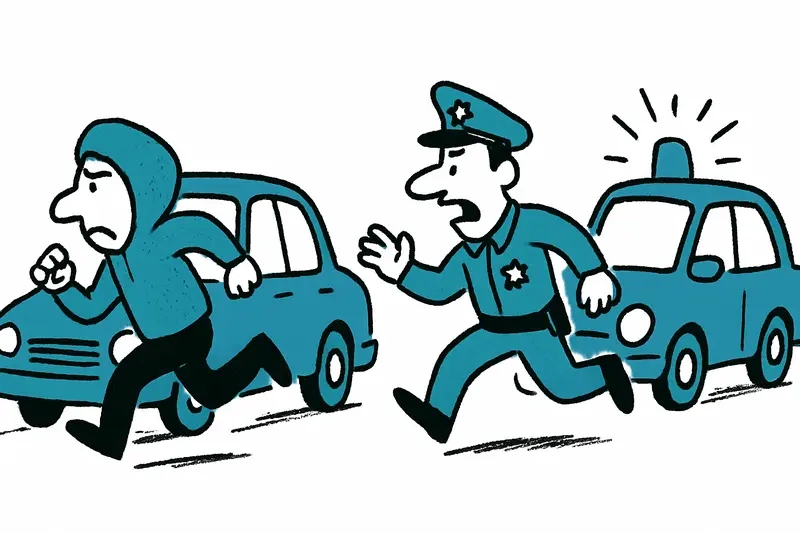
Rental Car Theft in El Arenal: What This Incident Reveals About Our Gaps
A teenager steals a running rental car in El Arenal, flees on foot, climbs over walls and is caught by the Guardia Civil...
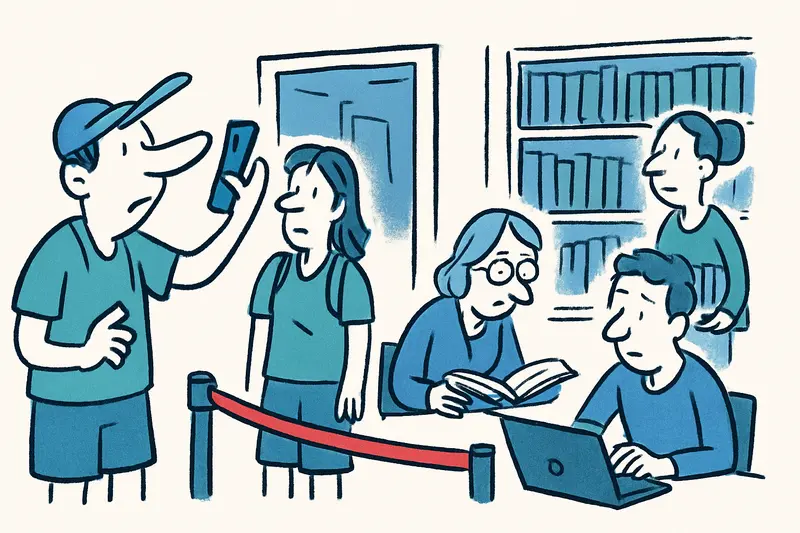
Red Rope in Palma's Library: What Helps Against Selfie Tourism — and What's Missing
Palma's city library cordoned off an area with a red rope to keep selfie tourism away from reading and working activitie...

Fort San Carlos: Museum, Harbor Dispute — and a Conflict That Demands Answers
The military museum at Fort San Carlos sits right on Palma's harbor, with unexpectedly quiet rooms filled with cannons a...
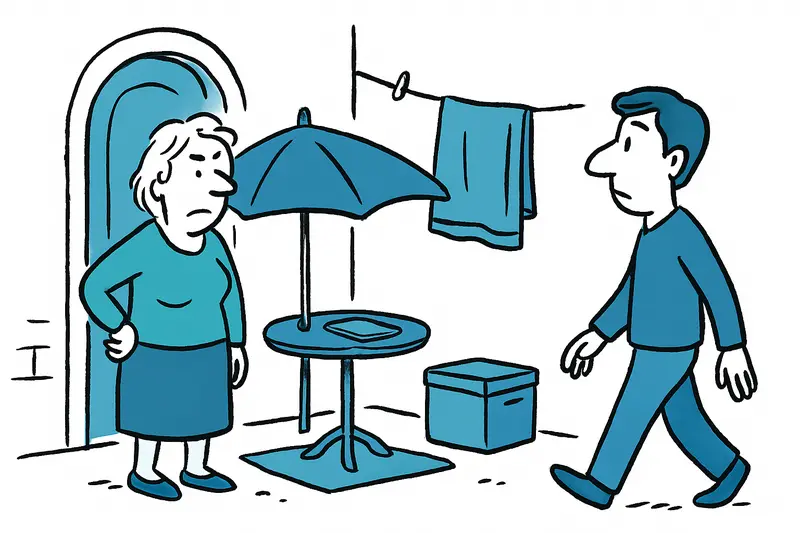
Old Town Under Pressure: When a Doorway Becomes a Sleeping and Shower Place
For months a woman has been living with a parasol, a clothes rack and personal belongings next to the social welfare off...
When Shopping Weighs Heavier: Mallorca Demands a Tax Pause on Food and Fuel
Rising prices are putting pressure on households and agriculture. The Balearic Islands are calling for temporary tax rel...
More to explore
Discover more interesting content

Can Cap de Bou

Townhouse Lleo 72
