
New Break-in in Valldemossa: Why the Picture-Perfect Village Mustn't Become an Open-Air Target
New Break-in in Valldemossa: Why the Picture-Perfect Village Mustn't Become an Open-Air Target
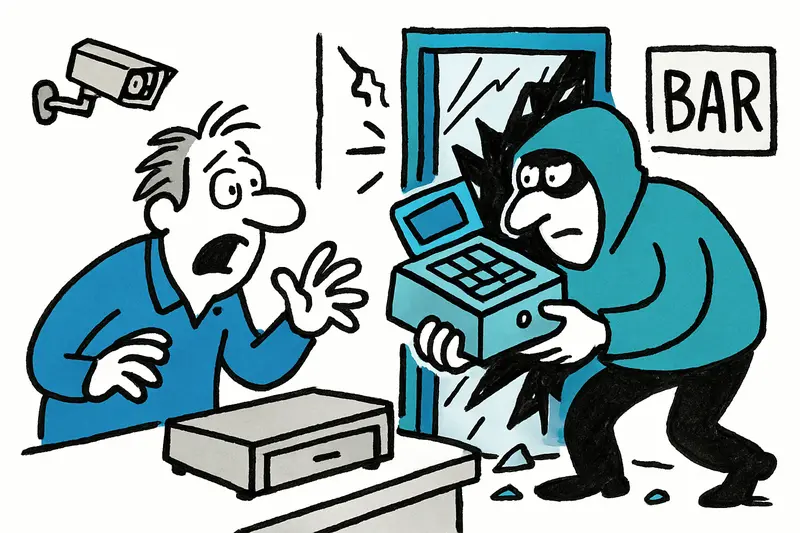
In Valldemossa a bar on Vía Blanquerna was broken into overnight: the cash register (€8,000) and cash are missing from the establishment "Sa Foganya". It's already the second raid within two weeks — investigators are examining links to the incident at Cappuccino.
New Break-in in Valldemossa: A Village Whose Nighttime Peace Is Being Stolen
Central question: How can a place like Valldemossa protect its small hospitality businesses when two targeted break-ins occur within a few days, as in Burglary in Son Servera: What the Attack on a Bike Shop Reveals About Security in Tourist Towns?
In the early morning, around three o'clock, Vía Blanquerna in the heart of the Tramuntana village was again the scene of a break-in. Perpetrators broke into the bar "Sa Foganya", forced the door, disabled the surveillance camera and stole the cash register along with cash; the value of the register is estimated at €8,000. An employee later found the premises in disarray — images no one would want in a village of cobblestones and the muffled sound of church bells.
What investigators suspect
The Guardia Civil is conducting the investigation and sees parallels to a raid on the café "Cappuccino" about two weeks ago, only some 50 metres from the current scene. At that time masked perpetrators had taken the cash register and fled in a grey vehicle; witnesses reported three to four men speaking Arabic. Investigators suspect the same youths from Palma are behind the acts; in recent months some of them had already been arrested several times and released again after appearing before the examining magistrate, similar to cases reported in Night-time Break-ins in Can Picafort: Caught — What Now?. The fact that cars apparently were stolen in advance to carry out the crimes also recurs in the files.
Critical analysis: A pattern that raises alarm bells
It's not only the sum of the stolen goods but the feeling that the reliability and commitment of small restaurateurs find little protection. Disabling cameras, forcing doors and specifically targeting cash registers points to a professionalized approach. When perpetrators reappear after having been arrested, one must ask whether police measures, judicial decisions and preventive protection concepts currently mesh or are running past each other.
What's missing in public discourse
Public discussions often focus on security measures, but rarely on causes: Why do young people repeatedly end up in these cycles? What role do stolen vehicles play as tools of crime? And: How well are small bars and cafés insured — or are they forced to accept security gaps because investments would be too expensive? These levels are too rarely connected with concrete proposals for prevention, judicial practice and social support, and with local tensions over housing as described in Valldemossa: Violence During Attempted Occupation — Who Protects the Houses in the Village?.
An everyday scene from Valldemossa
Imagine market day: pots clatter, a delivery van maneuvers on the Plaça, tourists with cameras climb the alleys. At night the same lanes are quiet; only the cone of the streetlamp lights the façades. When in this silence panes shatter and a door is pried open, it sounds louder in a village than elsewhere. The owner of "Sa Foganya" — a well-known spot for locals and visitors — now stands at the counter and brushes the dust of broken glass from the tiles while the sound of the sea from the bay is barely audible in the distance. This is the routine here: beautiful but vulnerable.
Concrete solutions
1. Technical: Cameras with their own emergency power, redundant recording (cloud backup), mechanically stronger doors and securely anchored safes reduce the attractiveness of a break-in. Alarm systems should automatically notify police or security firms. 2. Cooperation: A local network of restaurateurs, neighbours and the municipality can enable quick suspicion reports; a WhatsApp group often helps to locate vehicles or suspicious persons. 3. Prevention & youth: At the same time, programs for young people from Palma and other places must be strengthened to help prevent delinquency — not just as a slogan but as a long-term investment. 4. Justice & investigations: If there are frequent returns before the examining magistrate, it should be reviewed whether probation and detention decisions and the resources of investigative authorities match each other. 5. Economic aid: Small businesses need short-term help after a break-in — quick fee waivers, assistance with replacing damaged equipment and advisory services on security.
Concluding summary
Valldemossa must not become an open target for recurring perpetrators. The problem is multifaceted: technical gaps, logistical tools such as stolen cars, and the absence of a holistic response. Those who open the bar in the morning want to sell coffee, not to take stock of damage. The Guardia Civil is investigating — that's good. But more is needed: local organisation, adapted security technology and a serious engagement with the question why young people repeatedly fall back into these crimes. Otherwise the image of the idyllic mountain village will remain a pretty façade with vulnerability underneath.
Frequently asked questions
Is Valldemossa safe for visitors after the recent break-ins?
Why are small bars and cafés in Mallorca being targeted at night?
What should bar and café owners in Mallorca do after a break-in?
How can shops and restaurants in Valldemossa improve their security?
What is the Guardia Civil investigating in the Valldemossa break-in case?
Are stolen cars often used in break-ins in Mallorca?
What makes Valldemossa more vulnerable to night-time crime?
Should Mallorca villages invest more in prevention and youth support?
Similar News

Carriages Without Horses: Palma Plans E-Carriages – a Reality Check
Palma plans to switch to electric carriages in 2027. The prototype was shown near the cathedral. What is the technology ...

Record season, empty coffers: Who really benefits from the tourism boom?
Full hotels and more flights: the numbers sound impressive — yet many locals feel no benefit. A reality check with an ev...

Pool ordered for €46,000 – €23,000 paid, no work carried out: A fraud case in Palma
A homeowner in Palma transferred €23,000 for the construction of a pool. Weeks later it emerged that no building applica...

Summer greetings from the Pitiusas island: Gottschalk and Krüger enjoy the sun on Ibiza
A friendly photo of Thomas Gottschalk and Mike Krüger on Ibiza evokes memories of their shared film years and shows that...
Occupied in a Few Days: When Property in Mallorca Turns into a Dispute
Six young men were arrested in Palma after homeowners returned and could no longer open their own door. A case that rais...
More to explore
Discover more interesting content

Can Cap de Bou

Townhouse Lleo 72
