
Buying a House in Mallorca: How to Avoid Costly Beginner Mistakes
Buying a House in Mallorca: How to Avoid Costly Beginner Mistakes
Anyone who wants to buy on Mallorca needs more than longing and good weather. A guide with critical assessment, concrete checks and practical steps — so that a dream purchase doesn't turn into a costly aftermath.
Buying a House in Mallorca: How to Avoid Costly Beginner Mistakes
A critical checklist for buyers — from preliminary contract to Cédula
Key question: How do I protect myself as a buyer in Mallorca from pitfalls that can later mean five- to six-figure costs?
Those who only know the island from holidays often bring the wrong expectations: sun, sea, a few renovation works — and the holiday paradise is done. In reality, many listings hide legal questions, outstanding bills and construction deviations. This is not new, but it is underestimated. Building expert Tobias Beuler named typical stumbling blocks in his book “Kauf keinen Scheiß” (Don't buy crap). We put these warnings into context, show what is missing from the public debate and provide concrete solutions.
Critical analysis: three mistakes repeat themselves again and again. First: rushing into signing. In Mallorca a preliminary contract (Contrato de Arras in Mallorca: What Buyers Really Need to Know) is legally binding; withdrawing can cost up to ten percent of the purchase price. Second: incorrect calculation of ancillary costs. Don't count only notary and taxes in your home country — here purchase-related costs of around eleven to fourteen percent are realistic. And third: overlooking illegal extensions — pools, terraces or rooms without building permits can become expensive afterwards or may even have to be removed.
What is missing from public discussion: the everyday perspective. Authorities work slowly, inquiries at the Registro are bureaucratic, and some sellers deliver incomplete documents. This leads buyers to underestimate the effort — not only financially, but also timewise. Also, few talk about how seasonal rules (e.g. noise and construction bans during high season) concretely affect renovation plans and permitting procedures. These details often decide feasibility and cost of a project.
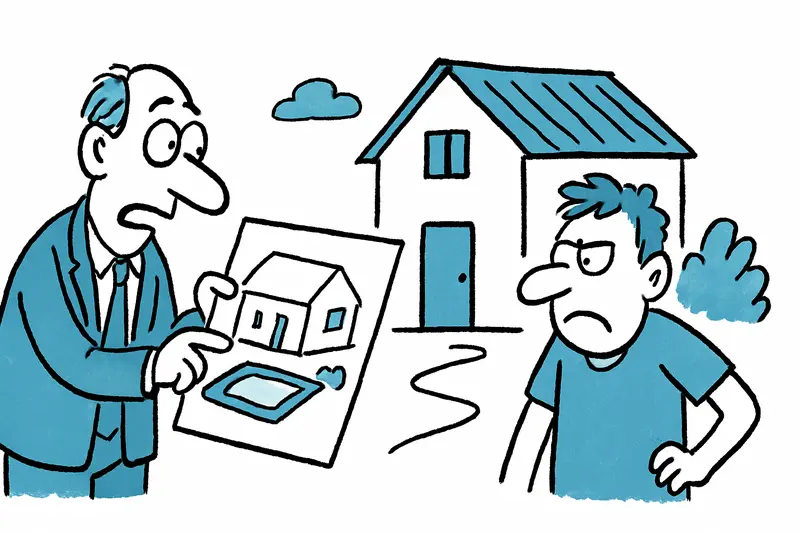
A typical Mallorca scene that illustrates this: early morning in Palma, Passeig Mallorca, the roar of a delivery at a construction site mixes with the calls of market women from the Mercat de l’Olivar. A German buyer stands with the real estate agent in front of a plot in Cala Major. The plans show a pool and an extension — in reality building permits are missing and the neighbors are protesting. This combination of tourist hustle and bureaucratic slowness is everyday life on the island.
Concrete solutions — step by step:
1) Preliminary contract only with a lawyer: Have a Spanish lawyer review the Contrato de Arras (see Legally Secure in Mallorca: Why Legal Guidance for Property Purchases Is Not a Luxury) and include a withdrawal clause. Clear deadlines, a financing contingency (see Why so much property buying in Mallorca is paid in cash — and what that means for the island) and sanctions should be included.
2) Cost research: Budget for purchase-related costs of 11–14% (see Balearic Islands in the Price Squeeze: Who Can Still Afford Mallorca?). Also calculate lawyer and architect fees in case building permits need to be checked or obtained afterwards.
3) Land registry and tax check: Request the latest IBI (property tax) receipt, evidence of mortgages or liens and current account statements of the community of owners. Unsettled debts often pass to the buyer upon transfer of ownership.
4) Technical inspection before signing: An independent building expert should check the structure, moisture, supply lines and the energy situation. Pay attention to the Cédula de Habitabilidad — without it there is no registration for electricity, water or gas.
5) Detect illegal work: Request copies of building permits and final inspections. If a pool, extension or an extra floor is not authorized, factor in the costs for legalization or dismantling; either can take up to two years.
6) Use a local network: An experienced locally based agent, a Spanish-speaking lawyer and an architect are not luxury items but protection. Ask for references and work with professionals who know local procedures.
7) Negotiate with perspective: An expert report creates bargaining room. Replacement investments (e.g. new thermal insulation, solar thermal systems, remediation of moisture) can justify price reductions.
Practical checklist for viewings: IBI receipt, Última Escritura (latest land registry deed), Cédula de Habitabilidad, energy certificate, proof of municipal fees, photos of connection lines, written information about past alterations and existing warranties.
Punchy conclusion: Buying in Mallorca means checking more than dreaming. Those who calculate soberly before signing, respect local rules and get professional support significantly reduce the risk. The dream of owning a house remains achievable — but only if you look at the island with the eyes of an owner, not those of a beachgoer.
One final tip: stay calm. A good purchase takes time. Between the cicadas' song and the ferry dock you should not stamp "buy now" but have the papers reviewed calmly. Then nothing stands in the way of a Mallorca winter with your own heating, a legal pool and functioning connections.
Frequently asked questions
What are the main risks to consider before signing a preliminary contract to buy a home in Mallorca?
How much should I budget for purchase-related costs when buying property in Mallorca?
Why is a professional inspection essential when buying in Mallorca?
How can I detect and handle illegal building work on a Mallorca property?
What documents should I review during viewings when buying a Mallorca home?
What role do local professionals play when buying a home in Mallorca?
How do seasonal rules affect renovations and permits in Mallorca?
What mindset helps avoid costly mistakes when buying a home in Mallorca?
Similar News

Rental Car Theft in El Arenal: What This Incident Reveals About Our Gaps
A teenager steals a running rental car in El Arenal, flees on foot, climbs over walls and is caught by the Guardia Civil...
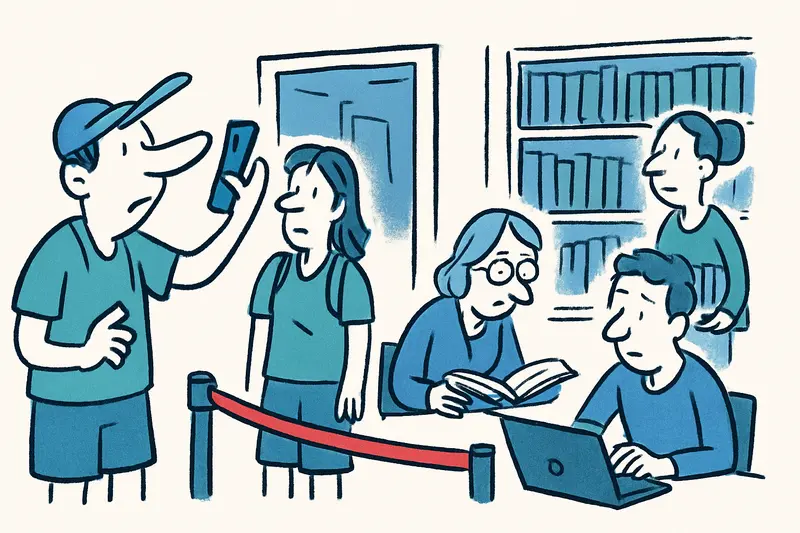
Red Rope in Palma's Library: What Helps Against Selfie Tourism — and What's Missing
Palma's city library cordoned off an area with a red rope to keep selfie tourism away from reading and working activitie...
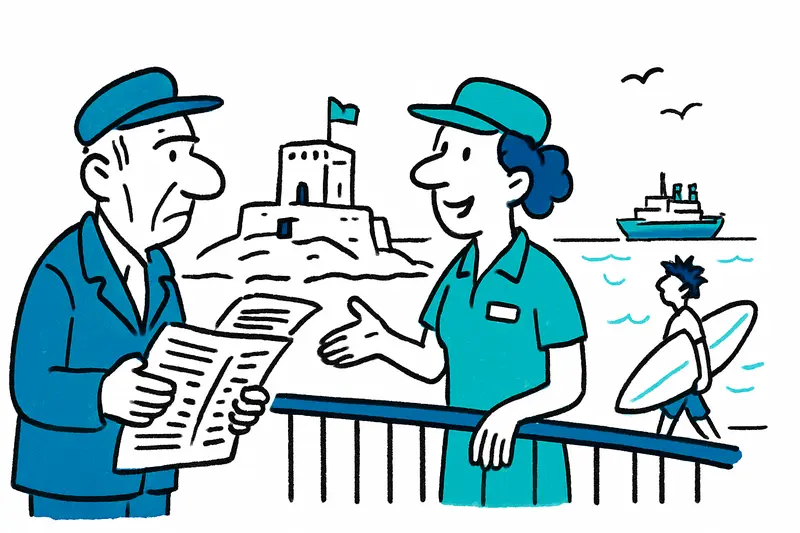
Fort San Carlos: Museum, Harbor Dispute — and a Conflict That Demands Answers
The military museum at Fort San Carlos sits right on Palma's harbor, with unexpectedly quiet rooms filled with cannons a...
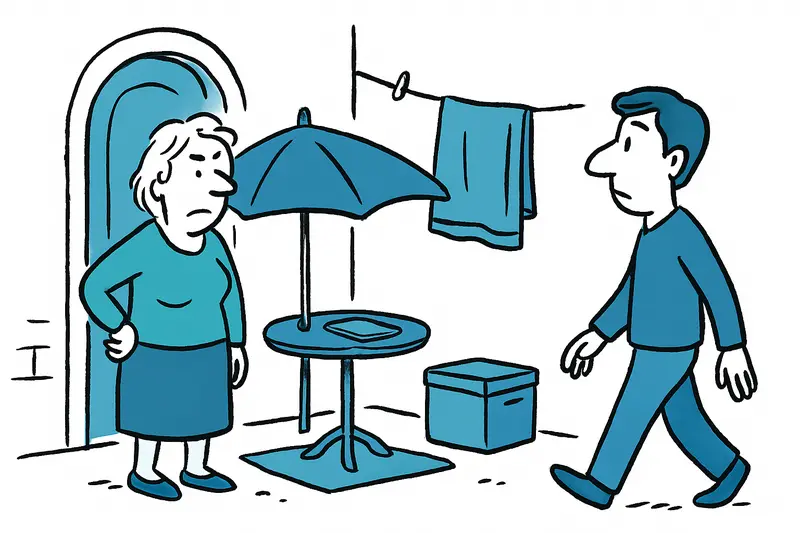
Old Town Under Pressure: When a Doorway Becomes a Sleeping and Shower Place
For months a woman has been living with a parasol, a clothes rack and personal belongings next to the social welfare off...
When Shopping Weighs Heavier: Mallorca Demands a Tax Pause on Food and Fuel
Rising prices are putting pressure on households and agriculture. The Balearic Islands are calling for temporary tax rel...
More to explore
Discover more interesting content

Can Cap de Bou

Townhouse Lleo 72
