
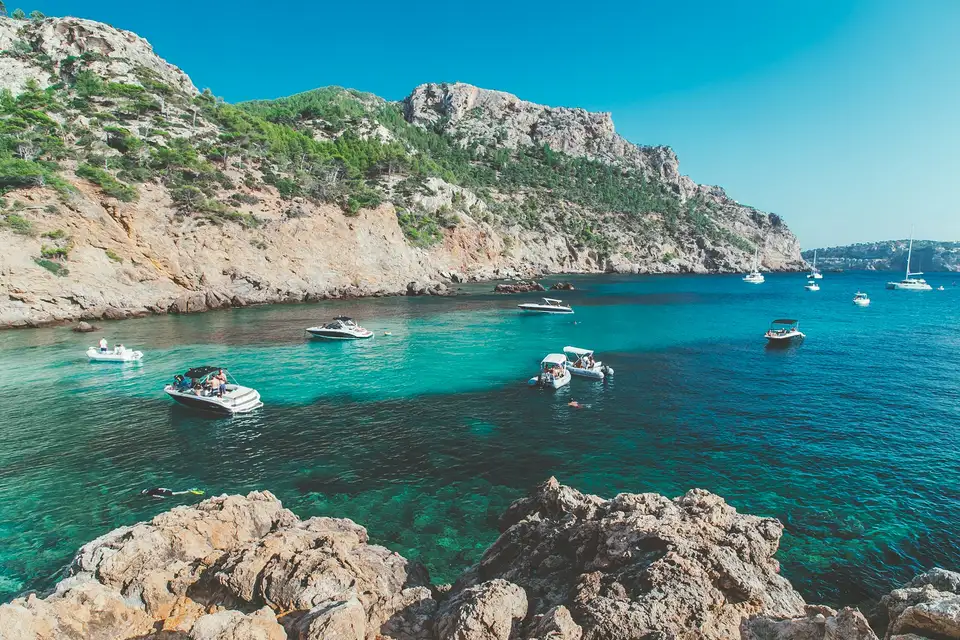
Warning at the Viewpoints: Car Thieves in the Tramuntana – a Reality Check
Three men were caught rifling through cars at popular parking spots in the Serra de Tramuntana. A reality check: what's missing and what helps?
Warning at the Viewpoints: Car Thieves in the Tramuntana – a Reality Check
How safe are the parking areas at s'Entreforc and Cúber really?
On the edge of the Ma-10, where tourists get out of cars, grab water bottles and enjoy the view over rugged ridges, the Guardia Civil recently arrested three men (see Mirador d'es Colomer: Three Arrests — How Safe Are Mallorca's Viewpoints Really?). The suspects, aged 54, 37 and 27, are said to have attempted to break into a parked vehicle at a viewpoint in the municipality of Escorca; at the same time a prevention operation took place at the Cúber reservoir. Investigators confiscated a metal strip and a door spreader from those arrested. Two minors were sitting in the targeted car, which made the operation even more sensitive (see Juveniles arrested: Palma car-theft series raises questions about prevention).
Key question: Are occasional checks and appeals to common sense enough, or do the Tramuntana viewpoints need a different security concept?
Critical analysis: The arrest shows that the police can react when teams are on site. Units involved came from Inca, Pollença and Santa Margalida, plus public safety units. But such actions are temporary. Perpetrators who use simple tools and systematically search parking areas for valuables cannot be reliably stopped by occasional checks alone. Visible weaknesses: many parking bays are hard to overlook, lighting is often missing, and tourists park scattered while seeking the best views – perfect conditions for petty criminals.
What is missing from the public discussion: a transparent hotspot mapping and reliable figures. It is known that certain parking areas are affected more often, but there are hardly any publicly accessible maps, preventive information when rental cars are handed over, or clear responsibilities between the municipality, the forestry office and the Guardia Civil. The role of rental car companies is also underexposed: How do they inform guests about local theft risks? Which insurance claims are actually settled? (see Arrest in Capdepera: After shots at a checkpoint — what does it reveal about security and rental-car crime?)
A everyday scene from Mallorca: On a hot July morning at s'Entreforc families sit on the wall, next to them cyclists in sweaty jerseys. Cicadas chirp, a coach horn sounds on the Ma-10, and people with cameras step out of parked cars. It is precisely in this relaxed inattentiveness that the dangers lie – a seemingly closed trunk is only noticed when the theft has already occurred.
Concrete approaches:
1) More visible prevention: Regularly scheduled foot patrols by the Guardia Civil at the most frequented viewpoints, combined with short information deployments – not only during peak times but also in the evenings.
2) Mandatory information at rental car handover: When handing over the vehicle, a short map with local safety tips should be mandatory: risky locations, emergency number 112, behavior tips. This takes almost no time but can prevent many incidents.
3) Improve infrastructure: Simple measures such as more and better signage ("Do not leave valuables visible"), designated well-overlooked parking areas and targeted lighting create deterrence. Where possible, cameras or temporary watch teams could be installed.
4) Cooperation and transparency: Municipalities, the forestry authority, security forces and tourism operators should systematically record incidents and publish local hotspots. Those who know the risks can avoid them.
5) Immediate advice for visitors: Do not leave valuables visible in the car; if possible, close the trunk before parking; leave documents, money and electronics in the hotel safe; choose parking spots near points of activity; if in doubt call 112 and report the location to the Guardia Civil.
Conclusion: The recent arrests are right and necessary. However, they do not replace the bigger picture: prevention requires structure, information and small structural measures. Until then it remains partly the responsibility of visitors — and a task for authorities and providers to secure the Tramuntana so that people can enjoy the view without fear.
Frequently asked questions
What is the best time of year to visit Mallorca for pleasant weather and outdoor activities?
What should I pack for a Mallorca trip to handle sun, sea, and town days?
Are there beaches in Mallorca with calm waters suitable for families?
Is it better to explore Mallorca by public transport or rent a car?
What makes Palma, Mallorca, worth a visit for a first-time traveler?
Are there scenic towns on Mallorca that are easy to reach for a day trip?
What should I know about Cap de Formentor when planning a scenic drive?
Which Mallorca beaches are good for swimming and easy access from towns?
Similar News
More water than last year: Mallorca's reservoirs breathe easier
September rain refilled the Tramuntana's reserves: overall fill around 35 percent, Cúber at 40.42 percent, Gorg Blau at ...

Three Luxury Hotels in Banyalbufar: Lots of Money, Many Questions
A Danish investor plans three exclusive accommodations in Banyalbufar — including the historic Son Valentí. The announce...
2.1 tonnes of cocaine on sailing yacht off Spain's coast – a reality check for the coastguard
A 14-metre yacht was seized with 2.1 tonnes of cocaine. Who monitors the ports, how does the international hunt succeed ...

Heat Bonus in Mallorca: 100 Euros Extra for Outdoor Staff at MarSenses
MarSenses pays employees who worked outdoors in August an extra €100 as recognition. Lighter uniforms, reduced hours for...
Renovating in Mallorca: What You Really Can Do Without Neighbour Consent
Many think they can do whatever they want in their apartment. That's partly true — but only as long as structural elemen...
More to explore
Discover more interesting content

Can Cap de Bou

Townhouse Lleo 72
