
Carme Serna: Laughter That Heals — on Mallorca's Wards
Carme Serna: Laughter That Heals — on Mallorca's Wards
As Valentina Ventolina, Carme Serna goes through the hospital rooms of the Balearic Islands. A portrait of clown work, theatrical careers and an NGO that has been healing with humor for decades.
Carme Serna: Laughter That Heals — on Mallorca's Wards
The actress, author and hospital clown who brings relief to both children and staff
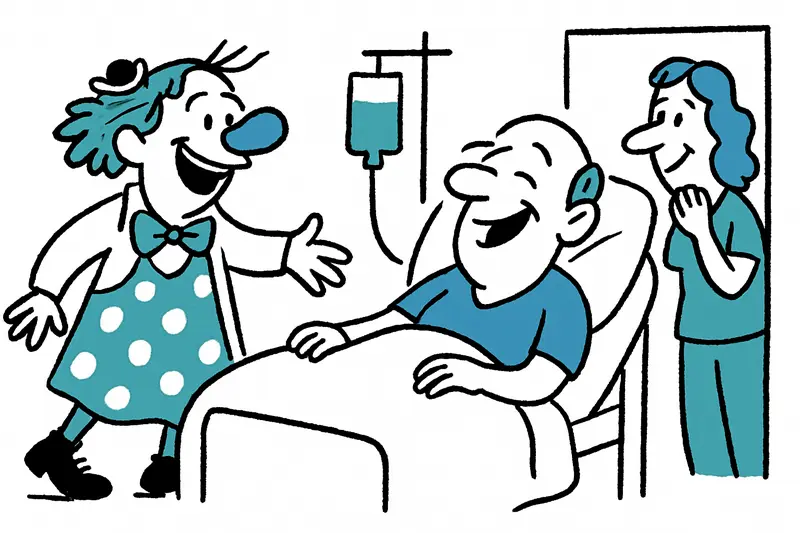
You don't see her coming: a colorful apron, a few quirky accessories, the red nose. But as soon as Valentina Ventolina crosses the threshold of a hospital room in Mallorca, the atmosphere changes. The beeping of the monitors remains, but instead of furrowed brows there are looks of astonishment or a quiet smile. Those who walk through Palma's streets to the hospital in the morning know the soft echo of these moments — routines that become a little lighter for an instant.
Behind the character is Carme Serna, born in Palma in 1981. Serna works as a director, actress and author — and brings her experience into spaces otherwise defined by doctors and handrails. Under her clown name she performs mainly for children, but often the laughter does not stay with the patients alone: nurses, medical teams and sometimes visitors gladly accept the gift.
Clown work in the Balearics is organized: the initiative Sonrisa Médica has been sending artists to hospitals and nursing homes across the islands for decades; for an international perspective on similar work see Red Noses International. The idea to bring joy back into the rooms grew out of a couple's grief; from that grew a group that today includes several dozen volunteers and staff. The training is no accident: over 500 hours of specialized training prepare performers for work in delicate healthcare situations — from the psychology of encounter to musical tricks.
Serna says the clown character takes much from her own personality. Valentina is absent-minded and at the same time cheeky, dreamy and sometimes a bit punk. Those who experience her quickly notice: the role is not a costume, but a practice. With small sketches, improvised songs or just an absurd accessory, a space is created in which children are briefly something other than patients — and adults something other than worry.
Serna often swapped stage spotlights for hospital corridors. Studies and theatre work in Barcelona gave her an artistic foundation; the assignments in healthcare provided grounding. From this mix came literary work as well: Serna began writing during a time that forced many into pause. For her collection of short stories she received a regional prize in 2023 — an indication of how art forms can enrich one another.
A typical visit doesn't start with a big plan. Two clowns first seek eye level, listen, observe and test the mood. Only then comes interaction. Sometimes it's a sip from a singing bowl, sometimes a cheeky game with hospital items that breaks the distance. In this way the routine of everyday life is briefly interrupted. In the corridors you often hear no loud laughter, but rather a sudden smile and the softer exhale of people who have work to do but are also human.
The effect is not merely romantic: studies and reports of experience show that humor can reduce stress — both in children and staff. In Mallorca, where tourism, local services and family networks are closely intertwined, such small interventions create a social benefit, a point also reflected in Por qué en Mallorca sonreímos ante el agua con gas y otros tropiezos cotidianos. The clowns' work acts like a relaxed knot in a tightly stretched net.
The organization behind the visits has received several awards and now works in various facilities across the Balearics; its role in the public sphere sometimes intersects with local media topics like Cuando viejas rencillas se convierten en alimento para Mallorca: qué le hace 'Die Abrechnung' a la isla. Currently around 18 clowns are active; they go through selection processes, trial periods and continuous further training. The quality of the visits is therefore no coincidence, but the result of a system that links artistic training with healthcare knowledge.
The visibility of such projects is also supported by partners from the tourism sector and sometimes by viral clips such as «Mallorca no es España» – ¿Un sketch, mucho impacto y pocos hechos?. A European tourism foundation recently funded a video project that brings the work to the islands and explains how culture and social engagement can interact. That not only raises awareness but also builds new bridges between visitors, businesses and local initiatives.
What remains from the meeting with Serna and her Ventolina? An image: a small child kicking with bunny socks in a hospital bed, a nurse chuckling in the doorway, and outside the Tramuntana making the afternoon light colder. Everyday moments, unexcited and yet important. In Mallorca, where neighborhood still carries weight, this mix of art and care is a piece of lived solidarity.
For people who work in hospitals or visit them, the message is simple: humor does not replace medicine, but it makes medicine more bearable. And for the island, the work of clowns like Serna means another small net that holds the community together — silently, kindly, sometimes with a red nose.
Those who want to support the work or learn more can find information from local initiatives; many projects are open to volunteers, donations or cooperation with cultural and tourism partners. An afternoon spent observing in a clinic is often enough to understand how important such encounters are.
On Mallorca's streets, when the cafes along Passeig Mallorca slowly set out their tables and seagulls circle the harbor, the memory of a small laugh in the hospital lingers. It is a laugh that connects.
Frequently asked questions
What is a hospital clown doing in Mallorca hospitals?
Does laughter really help children in hospital in Mallorca?
Who is Carme Serna in Mallorca?
What is Sonrisa Médica in Mallorca?
How are hospital clowns trained in Mallorca?
Can hospital clowns also help staff in Mallorca hospitals?
How can I support hospital clown projects in Mallorca?
Why is hospital clowning important in Mallorca?
Similar News
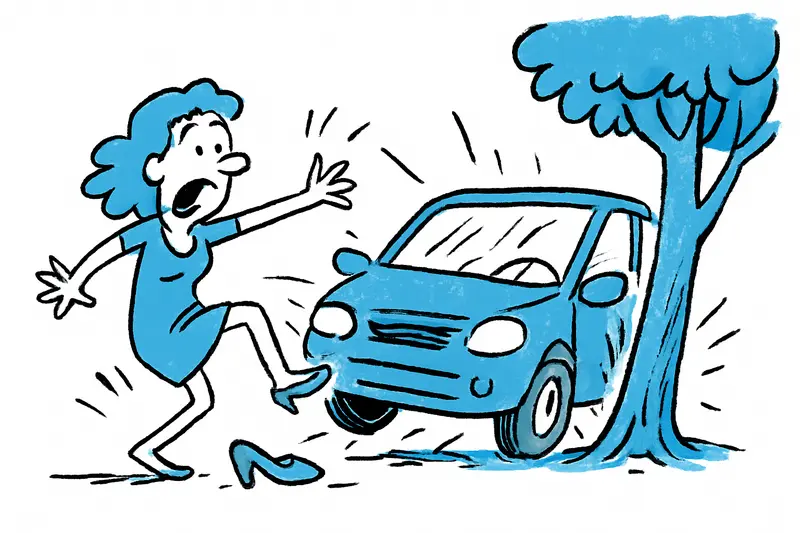
High heel slips, car accelerates: accident on Camí de Son Hugo
A woman lost a high-heeled shoe on the forecourt of the sports facility at Camí de Son Hugo. The car accelerated, mounte...
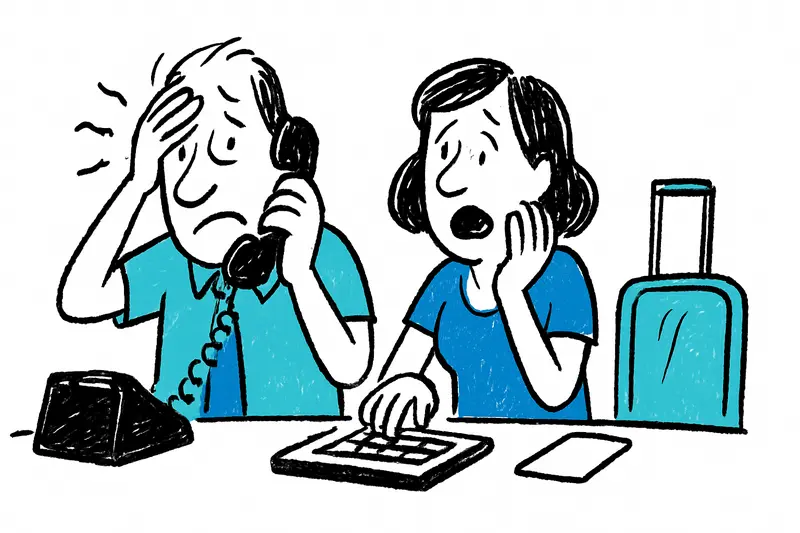
Phone Scam: How Two Hotel Employees at Playa de Palma Lost Thousands of Euros
One morning in September, two reception employees at Playa de Palma were pressured by alleged alarm-company staff — in t...

When the Wallet Becomes a Danger: Attack in Peguera and Lessons for Mallorca
In Peguera, two women are said to have stolen the wallet from a 75-year-old German couple. When the victim intervened, t...
Plata stays Plata: Young people take over, Llonguets remain
A small bar on Carrer de l'Argenteria will continue: Tolo Serra hands the place over to young Mallorcans at the end of t...
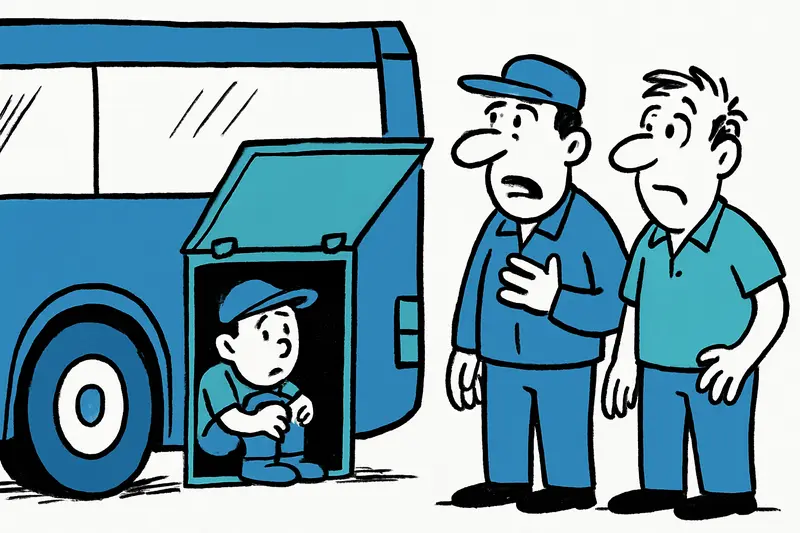
Unnoticed in the Luggage Compartment: How a Boy Traveled More Than 100 Kilometers in a Team Bus
A minor traveled in the undercarriage of a team bus for more than 100 kilometers until his cries for help were heard. A ...
More to explore
Discover more interesting content

Can Cap de Bou

Townhouse Lleo 72
