
Fall in Sa Calobra: Who pays the price for Mallorca's dangerous descent?
Fall in Sa Calobra: Who pays the price for Mallorca's dangerous descent?
A cyclist falls on the winding descent to Sa Calobra. Who bears responsibility for safety on this famous and dangerous route?
Fall in Sa Calobra: Who pays the price for Mallorca's dangerous descent?
On-site rescue, many questions afterwards: An analysis of the risks on one of the island's most attractive but also most treacherous roads
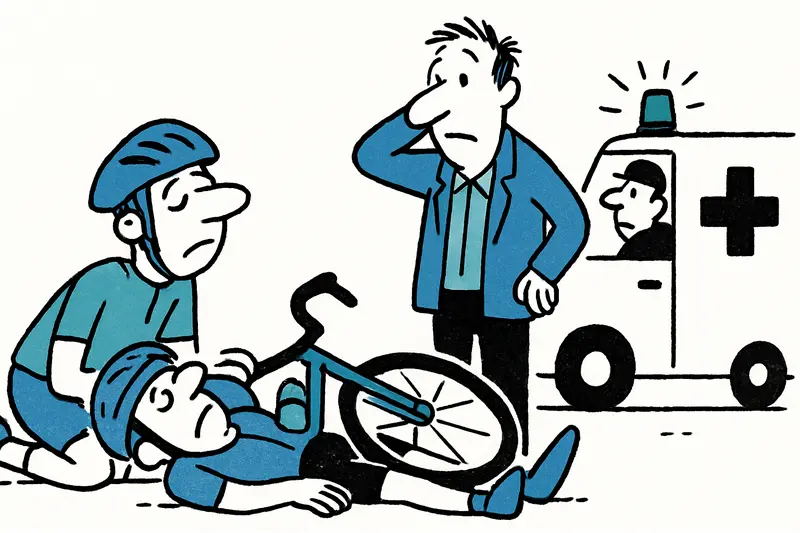
On Wednesday afternoon the siren sounded again on the descent to Sa Calobra: a female cyclist fell on the steep, winding stretch and had to be treated on site by emergency personnel from the Sóller fire brigade and an ambulance. A helicopter was requested but ultimately not needed for transport. Emergency responses to similar incidents are described in Serious Traffic Saturday: Cyclist Dies in Selva, Motorcycle Crash in Sóller Tunnel.
The road to Sa Calobra is both a tourism postcard and a test track. Narrow, steep, with sharp hairpin bends and often gravel on the roadway — in the Tramuntana a small mistake is enough to lose control. I know the route from my own rides: the screech of brakes, the smell of pine needles, the white dust trail that groups of cyclists leave behind a road racer before they disappear into a tight left-hand bend. There is a mixture of concentration and exuberance: people who want to lose track of time, and machines that make up time.
It is not only the road geometry that is critical, but the whole environment: day-trippers, buses with luggage trailers, rental bikes with insufficient maintenance and e-bikes that can reach high speeds downhill. This broader pattern is discussed in Why Mallorca Remains Dangerous for Bikers — and What Could Really Help. The rescue operation on Wednesday showed that help is reachable — mountain rescue and paramedics were quickly on site — but prevention is what matters if people are not to be injured in the first place.
What is missing in the public discourse? First: differentiated rules for different user groups. Discussions about general driving bans or simply limiting tourist numbers are too short-sighted. Second: systematic maintenance and inspection of rental equipment. Many accidents begin with a small technical fault that goes unnoticed on a €30 bike. Third: a serious debate about infrastructure measures that do not require huge investments but smart interventions.
Concrete proposals that could help here are pragmatic and locally feasible: more signs with clear, memorable warnings before critical curves; mirrors at blind spots; targeted repair of road edges and regular sweeping to remove gravel; a range of physical measures such as rumble strips before particularly dangerous sections to reduce speed. Safety barriers with energy-absorbing design at crests where a fall would have especially serious consequences would justify the investment.
From a regulatory standpoint, it could be considered whether mandatory safety checks for rental bikes can be introduced in certain cases — for example, a visible inspection sticker after maintenance. Otherwise, rental companies could become primary points of contact in emergencies: basic first aid training for staff, small workshops at strategic points and clear information to customers about the nature of the route at the time of booking. Cycling groups should be required to register in advance or at least accept local rules so that better planning is possible for how many road cyclists may descend at the same time.
Communication and the accessibility of rescue services can also be improved: mobile emergency call posts at known danger spots would be useful in remote sections. In areas with poor network coverage small solar-powered transmitters or QR codes with precise GPS coordinates combined with an emergency number could save lives before a helicopter is laboriously called in.
Everyday measures that can be implemented immediately are also noticeable: more word-of-mouth in the bars and hotels around Sóller, Port de Sóller and Pollensa. A brief warning at the café on the plaza or a printed map in the rental shop is sometimes enough for a rider to check her braking setup before a descent and take a few kilometers more slowly. Local clubs could offer voluntary check stations where brakes and tires are quickly inspected.
The discussion must not end in endless finger-pointing. It's not just about "the cyclists" or "the tourists", but about coexistence on narrow roads. Sa Calobra is a place where beauty and risk are very close. If we accept that this route will remain popular, then we owe people more careful precautions there.
Conclusion: Wednesday's incident is a wake-up call. The emergency services worked, but that is not a sufficient answer. Better road design, targeted safety measures, stricter controls of rental bikes and simple information offers could prevent the next serious fall. Sa Calobra remains a gem of the Tramuntana — but a gem we must treat with care before more people pay for it with their safety.
Frequently asked questions
Why is the Sa Calobra descent in Mallorca considered so dangerous?
Is it safe to cycle down Sa Calobra in Mallorca?
What should I pack or check before visiting Sa Calobra in Mallorca?
What kind of accidents happen on the road to Sa Calobra in Mallorca?
What has Mallorca done to improve safety on the road to Sa Calobra?
Can beginners cycle Sa Calobra in Mallorca?
How important are rental bike checks for cycling in Mallorca?
What should tourists know before driving or cycling in the Tramuntana near Sa Calobra?
Similar News

When the Wallet Becomes a Danger: Attack in Peguera and Lessons for Mallorca
In Peguera, two women are said to have stolen the wallet from a 75-year-old German couple. When the victim intervened, t...
Plata stays Plata: Young people take over, Llonguets remain
A small bar on Carrer de l'Argenteria will continue: Tolo Serra hands the place over to young Mallorcans at the end of t...
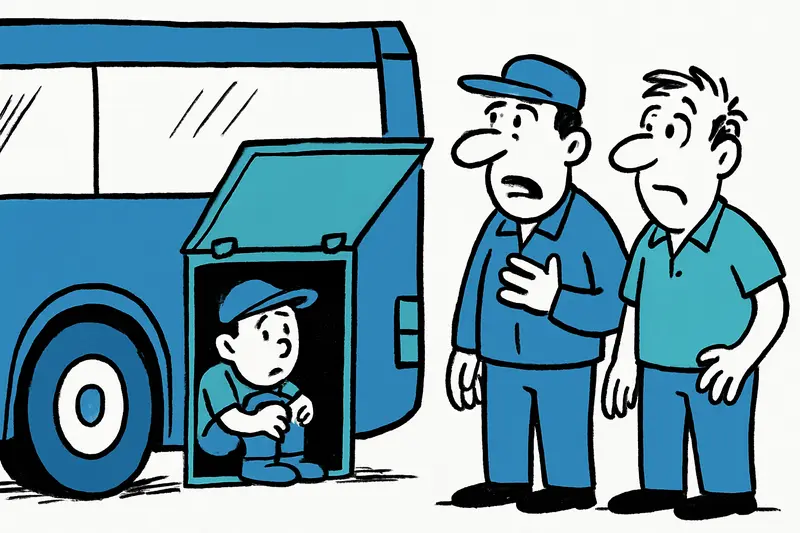
Unnoticed in the Luggage Compartment: How a Boy Traveled More Than 100 Kilometers in a Team Bus
A minor traveled in the undercarriage of a team bus for more than 100 kilometers until his cries for help were heard. A ...

Cap Vermell Grand: Second Michelin Key – a Gift for the East
The Cap Vermell Grand in Capdepera has been awarded its second Michelin key. For the region this elevates the luxury off...
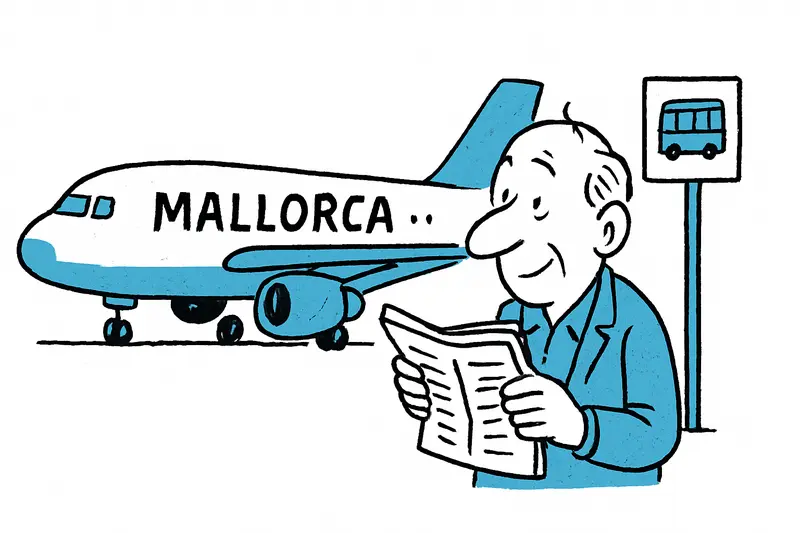
Eurowings lets four aircraft carry names – a friendly idea that also reaches Mallorca
Eurowings is launching a campaign: four Airbus A320s are to carry the first names of people who help others in everyday ...
More to explore
Discover more interesting content

Can Cap de Bou

Townhouse Lleo 72
