
Rockfall at Sa Calobra: What are the lessons from the Ma-2141 closure?
After a rockfall on the Ma-2141 at Sa Calobra the serpentine road was closed for hours. Fortunately there were no injuries. Time for an honest assessment: are precautions and communication sufficient for such events?
Boulders stop the Ma-2141 – and with them a piece of tourist normality
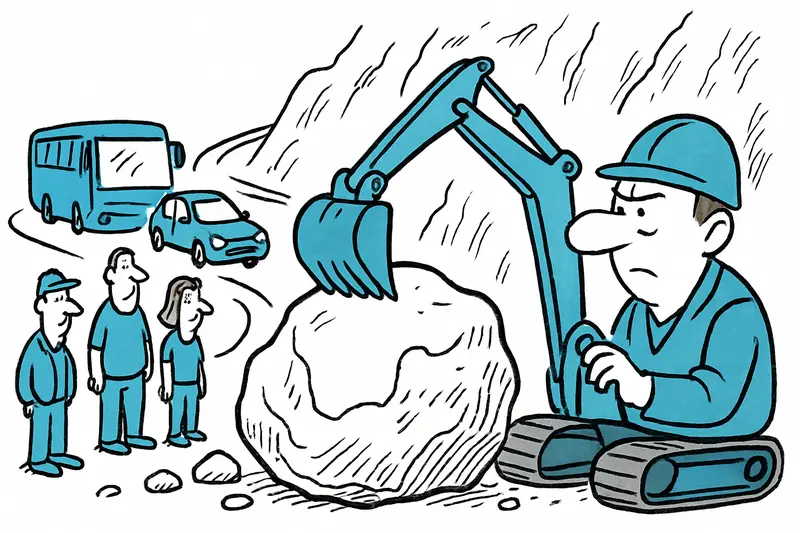
On Saturday morning a short, intense downpour turned the otherwise picturesque access road to Sa Calobra into a construction site: large blocks of rock came loose from the steep cliff and blocked the Ma-2141, as reported in Desprendimiento en Sa Calobra: ¿Qué lecciones deja el cierre de la Ma‑2141?. Vehicles – a coach, two cars and a small van – had to stop, horns echoed between the rock walls, and excavators later ground against the wet stone. Fortunately: no injuries, but three hours in which nothing could move.
Key question: How well are we really prepared for such natural events?
The immediate response from the road maintenance authority was swift and professional: teams with excavators, cutting discs and jackhammers cleared the way, workers broke up large boulders and removed them. But the scene raises broader questions. Are one-off clearance actions enough if storm systems like “Alice” become more frequent? And who bears responsibility as tourist traffic increases in such sensitive landscapes, a concern echoed after incidents such as Accident near Valldemossa — A wake-up call for the Tramuntana country roads?
Backgrounds that rarely take the spotlight
The Serra de Tramuntana — Wikipedia consists of millennia-old layers of limestone and schist that can lose their hold quickly during heavy rain. That is geology, not a road construction fault. What is often overlooked is the cumulative effect of use, changes in vegetation and a changing climate. Intense precipitation in short intervals weakens joints, drives water behind rock layers and increases the risk of rockfalls – a circumstance that usually appears in public debate only during specific incidents.
Specific weaknesses and possible measures
There are several levers on site that could be better used. First: preventive securing. Where visitors and bus traffic meet closely, nets, rock bolts and catch fences help reduce risks; for technical guidance see USGS landslide hazards information. Such measures are expensive and alter the landscape – yet they are less invasive than regular emergency clearances after every storm, as local road incidents like Crash on the Ma-10: Bus collides head-on with a truck — What does this say about our roads? remind us.
Second: early-warning and monitoring technology. Digital tilt sensors, rain gauges and cameras could monitor critical slopes in real time. An automated alert to the road maintenance authority and to the traffic control centre in Palma would shorten response times and make closures more controlled.
Third: temporary traffic control and communication. When heavy showers are forecast, proactive closures should be considered. Tourists are often informed late; a push service via common apps from rental car companies, ferry operators or tour providers could prevent simple delays and avoid accidents.
Between pragmatism and nature conservation
It is not about turning the Serra into a safety park. Instead, a tiered concept is needed: targeted structural securing at particularly vulnerable spots, digital monitoring where interventions are not possible or not desired, and clear rules for traffic in extreme weather. Mallorca depends on tourism, but the island is not an amusement park – planners and providers must respect that equally.
What locals and visitors should pay attention to now
Practically speaking this means: postpone mountain trips during heavy rain, pay attention to official notices, and give priority to bus drivers and road crews. Locals often hear the rumble of wet stones and smell the earthy scent of freshly exposed limestone – these are signals not to be ignored. And: if the authorities consider further protective measures, citizens and businesses should take part in the discussions; technical solutions need local acceptance.
Outlook: Opportunity for smart investments
Today's incident was a warning, not a disaster. It shows that investments in prevention and modern monitoring technology pay off. The challenge is to reconcile technical precautions with preserving the landscape and the flow of tourism. If we turn this into a constructive debate – with clear responsibilities, transparent communication and realistic priorities – the Ma-2141 can remain both safer and attractive.
The road was reopened after about three and a half hours. The traces of the storm remain visible – and with them the question of how we can be better prepared.
Frequently asked questions
Why was the road to Sa Calobra closed after the rockfall?
Is it safe to drive Mallorca mountain roads after heavy rain?
What causes rockfalls on the Sa Calobra road in Mallorca?
How long was the Ma-2141 closed near Sa Calobra?
What should visitors do if rain is forecast in the Serra de Tramuntana?
What safety measures could help reduce rockfall risk on Mallorca roads?
Why is Sa Calobra especially vulnerable to rockfalls?
Can Mallorca road closures happen without any injuries?
Similar News

When coercive fines aren't enough: Could holiday rental owners soon face prosecution?
The island administration is stepping up action against unauthorized holiday rentals: high daily coercive fines up to €5...

Palma Airport on an Expansion Course — Who Decides How Much Growth the Island Needs?
Aena and Madrid are planning multi-million euro investments for Son Sant Joan and project higher capacities. Concern is ...
Who Gets Left Out? Why Overbookings Will Hit Many Mallorca Travelers This Summer
On hot check-in days at Son Sant Joan, frustrated travelers pile up. New figures from Reclamador.es show that a large sh...
When the Handyman Came: How an Engagement Ring Disappeared in Mallorca and What It Says About Trust
During a repair in Andratx a highly personal engagement ring went missing — a case that calls not only for punishment bu...
How Burglars Test Fincas in Mallorca — and What You Can Do About It
The Spanish National Police warn of a simple but effective trick: small markings on doors reveal whether a finca is occu...
More to explore
Discover more interesting content

Can Cap de Bou

Townhouse Lleo 72
