
ITV chaos in Mallorca: When re-registration immobilizes cars
ITV chaos in Mallorca: When re-registration immobilizes cars
Hundreds of residents are stuck: temporary plates expire, appointments for technical sign-offs are missing for months. Those who act correctly are often left without a vehicle. A status report with a guiding question, an everyday scene and concrete solution proposals.
ITV chaos in Mallorca: When re-registration immobilizes cars
Key question: Why does the current handling of re-registrations in Mallorca hinder people who want to act correctly?
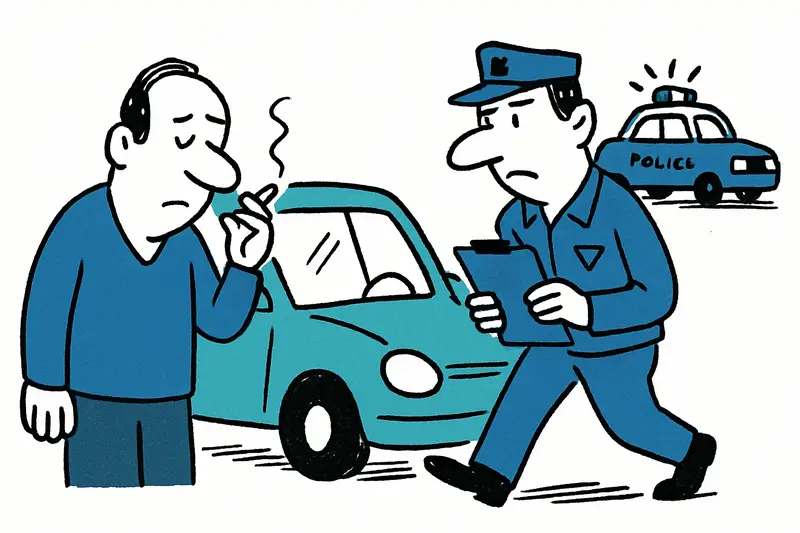
One morning in front of an ITV station somewhere on the island: gestoria vans are parked, a few residents nervously smoke in front of the entrance, and a Guardia Civil car drives slowly by. On Palma's promenade, the Passeig Mallorca, phones are ringing one after another – gestores and car dealerships are unsuccessfully trying to get appointments. It is this everyday administrative routine that is currently getting out of control.
The fact is: numerous vehicles with German license plates are properly registered for re-registration, the applications are in process – and nevertheless the cars may not be driven because the technical sign-offs have not taken place. Service providers report around 500 open cases, the oldest application dates back to 29 May 2025. Individual affected people, like reader Jan B., have been waiting for months: temporary plates issued in September have long since expired; extensions are no longer being approved.
Why is this happening? At the end of 2024 / beginning of 2025, responsibility for the formal initial recording of technical data changed: the task moved from private ITV companies to the island council; some stations, such as Son Castelló, were temporarily paused (Vehicle inspection in Son Castelló closed for three months). At the same time, the traffic authority tightened checks on foreign plates and the Guardia Civil increased its presence. Result: more demand, less capacity. In addition, there was a switch to a digital application procedure – which currently appears opaque for both service providers and citizens.
The consequences are tangible: people face the choice of leaving their property unused or risking fines and vehicle immobilization. Fines can be considerable and in extreme cases the vehicle can even be impounded. For companies with business vehicles on the island this means economic losses; similar deployment issues affected emergency vehicles, as detailed in Why Mallorca's New Ambulances Aren't Rolling. So the problem affects not only formalities but everyday life, work and mobility.
What is missing in the public debate? There is a lack of clear figures on the island council's processing capacity, a lack of transparency in the digital appointment system and a lack of a comprehensible prioritization of cases that have already been fully submitted. There is also little public discussion about whether the Guardia Civil aligns its controls so that ongoing, correctly applied procedures are not counterproductively penalized.
Another, rarely mentioned dimension is the social one: in many families the car is not a luxury but necessary for work, medical appointments and shopping in outlying areas. When a car stands idle for months in Son Verí or in rural areas, older residents and commuters are particularly hard hit. This is barely visible in the rhetoric of the authorities.
What can be done pragmatically now can be summarized in a short list: 1) Immediate establishment of a temporary pool of engineers at the island council to work through the backlog. 2) Clear, automated confirmations in the digital system that make the status of the process visible to applicants and service providers. 3) Transitional rule: extension of the green temporary plates for cases with fully submitted documents until the technical sign-off takes place; similar interim arrangements were discussed for emergency vehicle rollouts in December (Ambulances in Mallorca: Temporary measures in December). 4) Mobile inspection units touring heavily affected zones. 5) Agreements between the Guardia Civil and the island council so that ongoing, demonstrably applied re-registrations are taken into account during checks.
Practically, this could look like: anyone who has a confirmation from a gestoria or an official submission number from the island council in the glove compartment receives a protocol instead of a fine notice during traffic checks; the protocol obliges the authority to act within a deadline. Such interim solutions protect citizens' rights without undermining controls.
What politicians and those responsible have said too little so far: changes in responsibility must be accompanied by increased staffing and clear transitional rules. A reform that reduces capacity or complicates procedures is hardly acceptable in real life. The call for efficiency must not mean that people who act correctly pay for administrative failures.
An everyday scene to finish: in the parking lot of a gestoria in Son Verí sits a Mini Cooper, as clean as the day it was bought. The owner is sitting in the café opposite, drinking a café cortado and checking his emails again. He has submitted everything, but the clock on his mobility keeps ticking. This image is not an isolated case – and it should serve as a wake-up call for those responsible every morning.
Conclusion: The current mess is not a small mistake but a systemic problem. Anyone re-registering correctly in an EU country must not be effectively dispossessed by missing appointments or opaque digital processes. If the island council, the DGT and the Guardia Civil do not immediately organize practical interim measures and more staff, hundreds of vehicles will remain immobilized and many people will be left frustrated. Politics and administration must deliver now – visibly, transparently and quickly.
Frequently asked questions
Why can a car in Mallorca be immobilized even if the re-registration has already been submitted?
How long does car re-registration currently take in Mallorca?
Can I drive my car in Mallorca while the re-registration is still being processed?
What should I keep with me during a Guardia Civil check in Mallorca if my car is being re-registered?
Why are re-registration appointments so hard to get in Mallorca?
What are the risks if I keep driving a foreign-plated car in Mallorca during the re-registration delay?
Are temporary plates in Mallorca being extended while re-registration is delayed?
Which areas in Mallorca are especially affected by the re-registration backlog?
Similar News

"Expensive chaos" and many open questions: What clients can do when a lawyer suddenly stops responding
Several clients complain that a well-known German lawyer in Mallorca has been unreachable for months. Key question: What...

TV tip: 'The Last Problem' — Mallorca as the setting of a classic crime
A classic whodunit on Mallorca: A new miniseries set in spring 1959 brings storm, an isolated hotel and a dense web of s...

Nipping Sea Creatures: Why Bathers in Cala Major and Elsewhere Should Be Cautious
In Cala Major, bathers have reported being nipped by small fish. What is behind it, how can problems be avoided — and wh...
Forced eviction in Santa Catalina: When a 65-year-old slept in her car and showered on the beach — a question of responsibility
The story of Pilar López from Santa Catalina represents a problem affecting many Mallorcans: How can an island with a bo...
New traffic rules from October 1: What Mallorca visitors and locals need to know
From October 1, 2026, Spain will implement far-reaching changes to traffic regulations. Important for Mallorca: greater ...
More to explore
Discover more interesting content

Can Cap de Bou

Townhouse Lleo 72
