
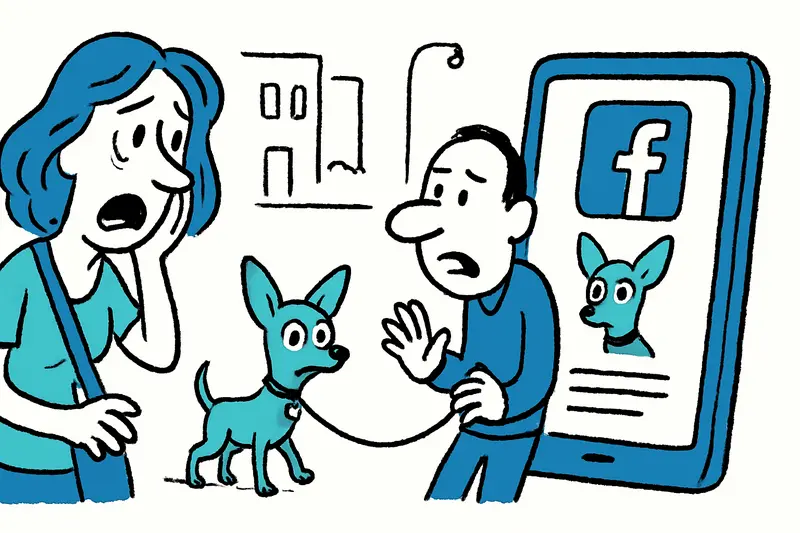
Chihuahua kidnapped in Ciudad Jardín – Ransom demand during Facebook appeal
Chihuahua kidnapped in Ciudad Jardín – Ransom demand during Facebook appeal
A sick Chihuahua named Peque disappeared during dinner in Ciudad Jardín. After a ransom demand of €900 the National Police intervened — three arrests, Peque returned to his owners.
Chihuahua kidnapped in Ciudad Jardín – Ransom demand during Facebook appeal
On the evening of August 4, a small dog disappeared in Ciudad Jardín during a restaurant visit. The owners had their two female dogs with them at the bar "Tapa Negra" while enjoying a drink, including Peque, a Chihuahua who depends on medication. After a plea for help on Facebook, the case took a dangerous turn: unknown persons allegedly demanded €900 from the owner to get the dog back. The National Police intervened at the arranged handover, detaining two women and shortly afterwards a third suspect, and Peque was returned to his owners.
Key question
How can it happen that a sick family dog disappears in the middle of Palma — and what must owners and authorities do to prevent this from happening again?
Critical analysis
The case reveals two weaknesses: first, the vulnerability of small animals in busy outdoor areas; second, the danger that public appeals on the internet can pose. A Facebook post asking for help mobilizes neighborhood support — but it also clearly signals who is vulnerable and reachable, as seen in Missing in Palma: Instagram Update Raises Questions — Community Calls for Rally at the Train Station. The perpetrators appear to have used that information to extort the owner. The National Police's response was positive: officers arranged a covert handover and were able to secure the dog. Nevertheless, it remains unclear how Peque came into the suspects' possession and whether structural prevention measures could have been possible.
What is missing in the public discourse
There is much discussion about burglaries or pickpocketing, but pet abductions are seldom addressed; Sa Pobla: Escaped Shepherd Dogs Kill Several Cats — Who Takes Responsibility? highlights how animal-related incidents receive uneven attention. There is also a lack of clear notices for tourists or newcomers: which precautions really help? Discussions about mandatory identification, increased checks on suspicious transfers of animals, or targeted prevention work by police and veterinarians are too rare.
A scene from everyday life
Imagine the terrace in Ciudad Jardín on a hot evening: the clinking of cutlery, the whir of a fan, a waitress calling "¿otra caña?". Among it, a family suddenly jumps up, rummages through bags, checks a leash. One dog is missing. Regulars exchange glances; the conversation falls silent. In such seconds it decides whether someone reacts quickly or loses sight of the situation.
Concrete solutions
- Know the basics: register dogs (microchip) and keep data up to date; have photos and health information ready. - Be careful when posting: share important details such as exact location or time only after consulting the police. - Safely store medications and emergency contact numbers; do not leave small dogs unattended on chairs or tables. - Hospitality and businesses: train staff to report suspicious situations and, if necessary, exercise house rules. - Authorities and veterinary services: provide information leaflets, run prevention campaigns and set up a central contact point for missing and found animals. - Community strategy: raise awareness in neighborhood groups, spread photos quickly but prioritize coordinated communication with the police.
Conclusion
Peque is back with the family — a personally relieving outcome. For the island, however, the case is a wake-up call: animals need more protection in everyday life, and appeals on the internet require caution. Those who take their small dog into a bar should keep an eye on them — and contact the police before posting on Facebook, since perpetrators sometimes attempt illegal exchanges similar to those reported in Attempted Baby Sale in Málaga: Woman Arrested, Newborn Taken into Care.
Frequently asked questions
When is the best time to visit Mallorca for beach weather?
What should I pack for a trip to Mallorca?
Are there family-friendly activities on Mallorca?
How can I get around Mallorca without a car?
What are the must-visit towns and beaches in Mallorca?
Is it safe to swim in Mallorca and what should I know about sea conditions?
What language is spoken and what currency is used in Mallorca?
What should I know about Mallorca’s weather year-round?
Similar News
More water than last year: Mallorca's reservoirs breathe easier
September rain refilled the Tramuntana's reserves: overall fill around 35 percent, Cúber at 40.42 percent, Gorg Blau at ...
Three Luxury Hotels in Banyalbufar: Lots of Money, Many Questions
A Danish investor plans three exclusive accommodations in Banyalbufar — including the historic Son Valentí. The announce...
2.1 tonnes of cocaine on sailing yacht off Spain's coast – a reality check for the coastguard
A 14-metre yacht was seized with 2.1 tonnes of cocaine. Who monitors the ports, how does the international hunt succeed ...
Heat Bonus in Mallorca: 100 Euros Extra for Outdoor Staff at MarSenses
MarSenses pays employees who worked outdoors in August an extra €100 as recognition. Lighter uniforms, reduced hours for...
Renovating in Mallorca: What You Really Can Do Without Neighbour Consent
Many think they can do whatever they want in their apartment. That's partly true — but only as long as structural elemen...
More to explore
Discover more interesting content

Can Cap de Bou

Townhouse Lleo 72
