
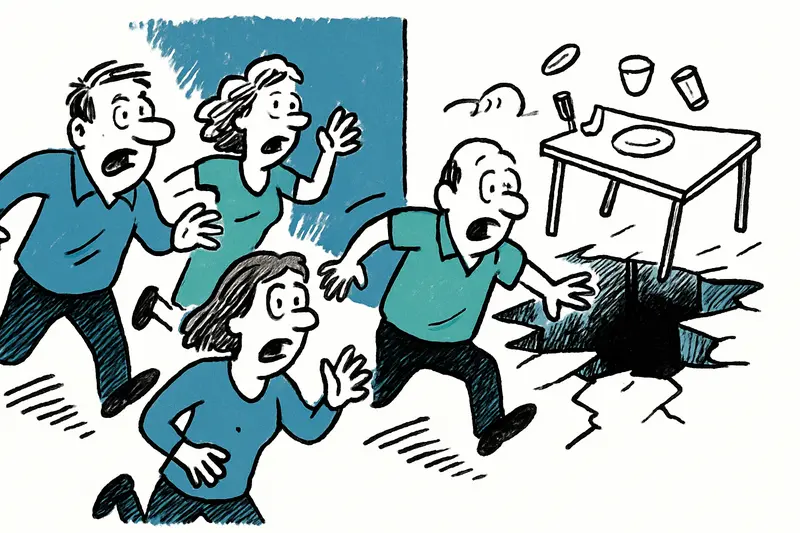
Collapse in Santa Ponça: Dining room gives way – guests flee, two slightly injured
In the evening, part of a dining room at the Zafiro Rey Don Jaime hotel in Santa Ponça gave way. Around 70 guests left the building; two people suffered minor injuries.
Collapse in Santa Ponça: Dining room gives way – guests flee, two slightly injured
At around 9:30 pm the floor of a small dining room at the Zafiro Rey Don Jaime hotel gave way – Mayor Amengual inspected the scene
A mild April evening, the clink of cutlery, conversations in Spanish and German: at around 9:30 pm the floor of an approximately 30 square meter dining room in the Zafiro Rey Don Jaime hotel on Calle Gran Vía Puig Major in Santa Ponça suddenly gave way. Around 70 guests then left the building as a precaution; two people sustained minor injuries, were treated on site and later taken to a hospital. Firefighters, several ambulances, local police and the Guardia Civil secured the scene. A fire caused by an illuminated sign that evacuated 20 apartments in Santa Ponça earlier this year drew a similar emergency response.
Main question: How safe are older hotel buildings in Mallorca if parts of dining rooms can fail without warning?
The first experts working at the scene suspect that age and a lack of reinforcement may have played a role. Technicians from the municipal administration are to inspect the structure more closely the following day. The picture is familiar: an establishment that has hosted guests for years, few visible defects, yet a single weak point is enough to shake confidence and safety. In this case there were only two minor injuries – a stroke of luck. But the incident raises fundamental questions.
Public debate often focuses on the immediate event: were emergency services fast enough, how are the injured, when will the hotel reopen? Those questions are important. What receives too little attention are structural issues: who monitors the load-bearing capacity of ceilings and floors in older hotels? What deadlines apply for static inspections? And in what condition are the documents that hoteliers, architects and authorities must provide? A recent case in which a man fell down a stairwell in Santa Ponça and was seriously injured underlines the wider safety concerns beyond hotels.
On Mallorca the balance between tourism revenue and maintenance is omnipresent. I often picture the waitresses who go home tired after such evenings, the suppliers who deliver boxes late, and market traders whose stalls live off seasonal trade. On Calle Gran Vía Puig Major last night guests stood on the street with napkins in their hands, hotel staff calmly explained in Spanish and English what to do, and passers-by in the alleys of Santa Ponça stopped and watched – a scene nobody wants to see.
What is missing from the public discourse: clear, comprehensible rules for retrofitting older buildings, financial assistance for owners of smaller hotels and a publicly accessible register with inspection reports. Many property owners do not know how or when to carry out repairs. Guests usually have no insight into the safety status of the accommodation they book. And the question of liability – operators versus owners, insurance coverage, the role of the municipality – is rarely explained in an understandable way.
Concrete steps that could help include regular structural audits for older hotels, a mandatory inspection cycle with a clear deadline (for example every ten years), financial support programs or low-interest loans for necessary reinforcements, mandatory emergency plans and evacuation drills in all lodging establishments, and a public inspection log that guests can consult. Technical inspectors should use standardized checklists that also include concrete recommendations for retrofitting, such as installing additional steel reinforcement or replacing overloaded components.
There should also be better information policies after incidents. Many residents and tourists learn only fragments; coverage of the release after stabbing and beatings accusations in Santa Ponça showed how incomplete reporting leaves questions unanswered. Transparent, factual information would reduce panic and help rebuild trust. Finally, training for hotel staff so that evacuations are faster, more structured and available in multiple languages is important.
The incident in Santa Ponça is a warning sign. It shows that safety is often invisible until something happens. In the short term the task is to investigate the damage and ensure that guests are not endangered. In the long term it is about a culture of prevention: regular inspections, clear responsibilities and a willingness to invest in the fabric of buildings.
Conclusion: An evening that began innocuously ended with shock and the professionalism of emergency services. More transparency, binding inspection intervals and targeted support for retrofitting would make Mallorca's hotel landscape safer — and are necessary before the next creak in the floor becomes a loud alarm.
Frequently asked questions
What happened at the hotel in Santa Ponça?
How safe are older hotels in Mallorca?
What should guests do if a hotel floor or ceiling suddenly collapses?
Why do hotel buildings in Mallorca sometimes need structural inspections?
What happened in Santa Ponça after the dining room collapse?
Are hotel guests in Mallorca usually informed about building safety checks?
Who is responsible if an old hotel building in Mallorca is not properly maintained?
What improvements could make older hotels in Mallorca safer?
Similar News

When the Wallet Becomes a Danger: Attack in Peguera and Lessons for Mallorca
In Peguera, two women are said to have stolen the wallet from a 75-year-old German couple. When the victim intervened, t...
Plata stays Plata: Young people take over, Llonguets remain
A small bar on Carrer de l'Argenteria will continue: Tolo Serra hands the place over to young Mallorcans at the end of t...
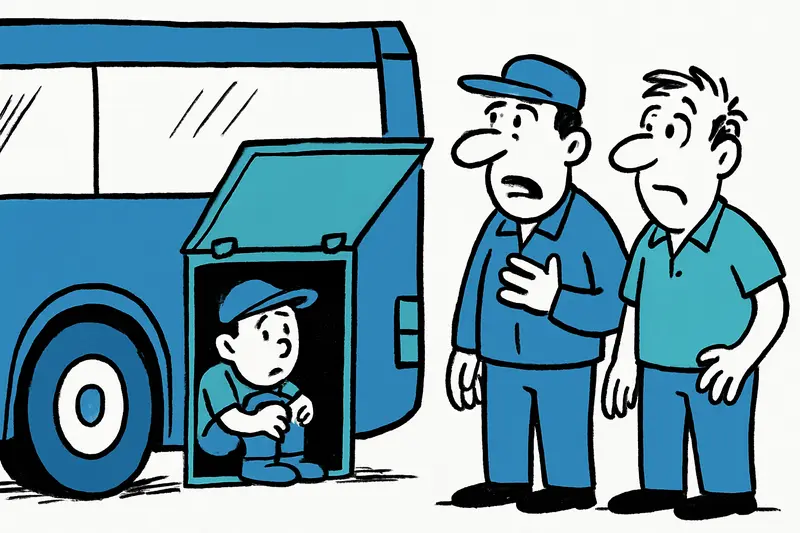
Unnoticed in the Luggage Compartment: How a Boy Traveled More Than 100 Kilometers in a Team Bus
A minor traveled in the undercarriage of a team bus for more than 100 kilometers until his cries for help were heard. A ...

Cap Vermell Grand: Second Michelin Key – a Gift for the East
The Cap Vermell Grand in Capdepera has been awarded its second Michelin key. For the region this elevates the luxury off...
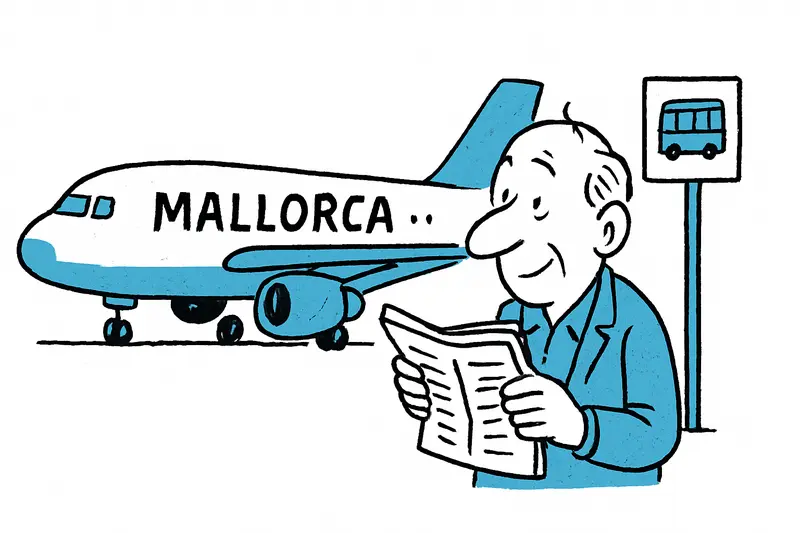
Eurowings lets four aircraft carry names – a friendly idea that also reaches Mallorca
Eurowings is launching a campaign: four Airbus A320s are to carry the first names of people who help others in everyday ...
More to explore
Discover more interesting content

Can Cap de Bou

Townhouse Lleo 72
