
Concepció 32: When Historic Preservation Meets Luxury — Who Wins in Palma's Old Town?
Concepció 32: When Historic Preservation Meets Luxury — Who Wins in Palma's Old Town?
Is the conversion of Concepció 32 about protecting a monument or about adding another exclusive sleeping place for a few? Questions of transparency, housing protection and oversight remain unanswered.
Concepció 32: When Historic Preservation Meets Luxury — Who Wins in Palma's Old Town?
Key question: Is it acceptable to transform a 16th-century house in Palma's Old Town into an exclusive boutique hotel without the neighborhood, the housing market and the authentic historic fabric visibly benefiting?
Brief status
At the building at Concepció 32 — basement, ground floor, two upper floors plus attic — the Swedish company Genova PMA Spain SLU intends to set up a small five-star hotel: seven single rooms and one double room, totaling 18 beds. A restaurant is planned on the ground floor and there is a rooftop terrace counted as one room. Archaeologist Rafael Turatti has proposed protecting elements such as wooden ceilings, interior fittings and decorated interior doors; the project leads apparently want to include these recommendations. Genova PMA is no newcomer: number 34 was previously converted into a hotel, and the portfolio also includes Can Oliver and another property, recently mentioned in connection with purchases by companies linked to Amancio Ortega, as discussed in Who Owns Palma? When Luxury Quietly Repaints the Working-Class Neighborhoods.
Critical analysis
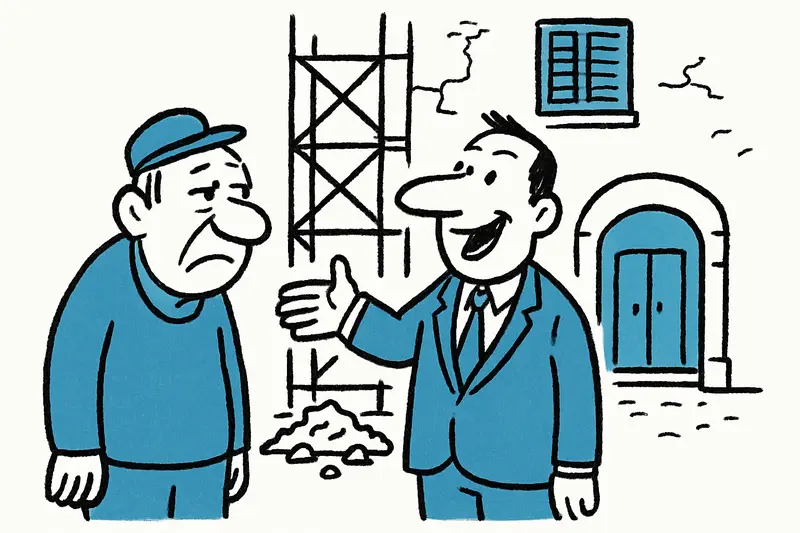
At first glance this sounds like "preserve and use the fabric." But the details matter. Seven single rooms and one double are not a mass accommodation — they will operate in the luxury segment, meaning: exclusive prices, very limited public accessibility, little benefit for the broader population. Preserving the façade, plaster and individual interior pieces does not automatically safeguard historical authenticity. The risk of reconstruction replacing original fabric has been highlighted in recent reporting on demolitions in Palma Demolition in Palma: When Reconstruction Replaces the Original. Will wooden ceilings and room doors only be "visibly" preserved while changes to the floor plan, new installations and the complete technical infrastructure hollow out the historic core? The project touches several levels: heritage conservation, urban structure, the rental market and the local economy (employment versus displacement).
What is missing in the public debate
Transparency about ownership and operating models remains patchy: Which company will actually run the hotel, and what tax obligations arise at the local level? There is no robust assessment of impacts on long-term housing on the street and in the neighborhood: Will nearby apartments be converted into holiday or hotel flats? Similar debates have arisen over plans to convert offices and shops into apartments in Palma When Offices Go to Sleep: Palma's Plan to Revive the Old Town. Also largely absent is a binding commitment to a long-term conservation and access plan: Which halls or room structures truly have protected status, and how will archaeological monitoring be organized?
A slice of everyday life from Palma
I stood on a Wednesday morning at Plaça Concepció, next to a bakery; the smell of freshly baked pa amb oli hung in the air. An old man argued gently with his dog, two restaurant owners checked deliveries; construction noises from the neighboring building mixed with the sound of a tram that no longer runs, but you could hear bicycles and delivery scooters. It is precisely this mix that makes the neighborhood lively — not closed entrances with a concierge and a few guests coming and going at night. Any conversion alters this soundscape.
Concrete proposals
1) Binding protection catalog: Alter wooden ceilings, decorated doors and other fittings only under archaeological supervision; document interventions and make the records publicly accessible. 2) Usage requirements: Mandate at least one public space (a small museum or freely accessible historic corner) on the ground floor; set regular times for local events. 3) Housing compensation: For each gained tourist unit, create or fund an equivalent social housing unit in Palma. 4) Tax and licensing transparency: Disclose the operator structure, guarantee local tax payments and remit hotel taxes. 5) Local oversight: Establish an independent board of heritage experts, city council representatives and neighborhood delegates to monitor interventions and demand annual reports.
Conclusion
Concepció 32 can be preserved and put to use — that is not inherently wrong. It becomes problematic when "preservation" serves only as a cosmetic shell while the fabric, everyday urban life and the housing market suffer. The Old Town commission has the chance to demand more than a formal yes: it can impose binding conditions that protect not only the monument but also the neighborhood. If that does not happen, the likely winner will be mostly one thing: another secluded luxury offering — and the street will lose a bit of what makes it a street.
Frequently asked questions
What kind of weather can Mallorca expect in March?
Is it warm enough to swim in Mallorca in March?
What should I pack for a trip to Mallorca in March?
Is March a good time to visit Mallorca?
What is Mallorca like in spring for outdoor activities?
How is the weather in Palma de Mallorca in March?
Is March a rainy month in Mallorca?
What is Sóller like to visit in March?
Similar News

Mueller continues expanding in Mallorca: Artà in 2026, Can Picafort in early summer 2027
The drugstore chain Mueller is opening two new stores in Mallorca: a 1,400 m² shop in Artà on 5 November 2026 and a bran...
The Painter Who Lived Mallorca: Franz Taussig and His Century-Old Secret
A hundred years ago a young Viennese arrived in El Terreno, sketched the island and called himself Francis Caron. Today ...

Airport dispute: Bridge, forecasts and the question of responsibility
A video by the Spanish transport minister has ignited the dispute over DORA figures, capacities and local governance pow...

The Painter Who Invented Himself: How a Young Viennese Drew Mallorca
A hundred years ago a 19-year-old draftsman arrived in El Terreno. His diary and sheets, long known under the pseudonym ...
Released with Conditions: The Plus Ultra Suspicion and a Mallorcan Finca as Residence
A Dutch entrepreneur, sought in connection with the Plus Ultra case, was extradited to Spain after his arrest in Germany...
More to explore
Discover more interesting content

Can Cap de Bou

Townhouse Lleo 72
