
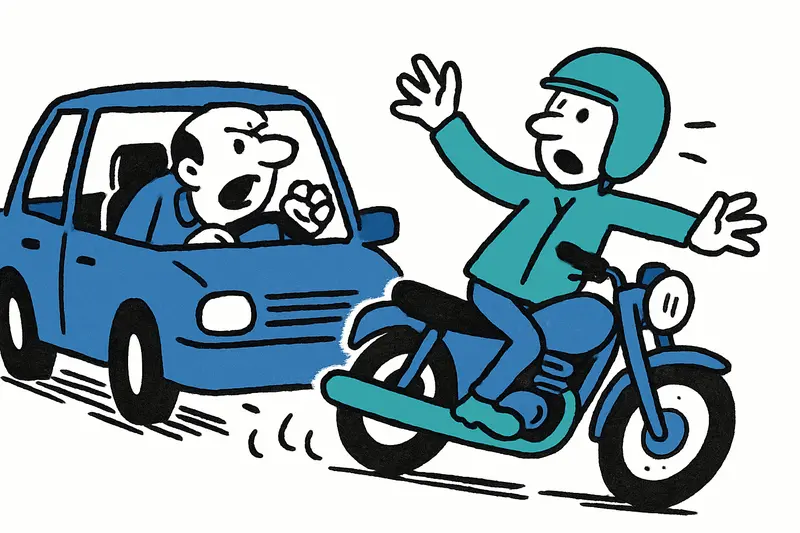
Cruising Safely on Mallorca: What Tourists and Authorities Should Finally Do Differently
The MA-10 is tempting — but sand, missing information and new rules present bikers with challenges. A look at problems and solutions for greater safety.
How safe is motorcycling on Mallorca really?
Early in the morning, when the espresso still rattles in the glove compartment and the waves crash against the rocks near Sóller, the MA-10 feels like an invitation. But the question remains: how much risk is hidden in this dream of asphalt and curves — and who is responsible for making sure it doesn’t go wrong?
What is often missing: honest briefing instead of sales pressure
The market for rental motorcycles is booming — this growth is linked to wider tourism pressures discussed in After Eleven Years at the Top: What Mallorca's Tourism Radar Really Needs to See. 125cc bikes are often handed to short-term visitors because the German car license permits riding them after three years. Many riders do not know how much weight, power and Mallorcan road conditions change the riding experience; this lack of knowledge contributes to rising incidents described in Why Mallorca Remains Dangerous for Bikers — and What Could Really Help. Rentals often end with a short briefing and a signature. A brief mandatory safety and route briefing at handover would be a simple measure with a big impact.
The 2025 rule changes: blessing or deceptive relief?
Since July 22, 2025, license plates may be mounted more flexibly — a relief for tinkerers and customizers who like to embellish their bikes. At the same time, driving on motorway hard shoulders in traffic jams at 30 km/h has been allowed. The island has also introduced other 2025 changes such as allowing cyclists to ride side by side, a development examined in Riding Side by Side in Mallorca: New Rules — Is That Really Enough?. Good approaches, but they only treat symptoms: without better controls and clear information obligations, a relaxed license-plate rule is of little use if riders underestimate the risks of hard shoulders or oncoming glare.
The hidden dangers: surface, Calima and the next curve
The asphalt here is made for sun, not for Saharan winds. When the Calima arrives, fine sand settles on the road; after a short rain shower it mixes with oil and turns into a slick. This is a topic that is often overlooked in many reports: road maintenance, cleaning after weather events and temporary warning signs would prevent accidents. Instead, later you only hear the screaming of brakes and the ticking of a tow truck.
Local riders' behavior: habit versus rules
Locals often ride differently — less use of indicators, improvised lane changes, a quick lean into the bend. This is not malicious, it is everyday life. For visitors this means: manage expectations. Those who ride defensively and expect small rule-bending stay on two wheels longer. Authorities could help here with targeted campaigns and clear signage at conflict points.
Concrete proposals that would help immediately
1. Mandatory briefing at rental handover: A short, standardized orientation (30 minutes) about routes, danger spots, helmet and glove guidelines. An information sheet in several languages, signed by the rider, would clarify liability issues.
2. Tiered information systems: Temporary warning signs after Calima or rain, local radio notices on weekends and apps with hazard alerts — low effort, high impact.
3. Better checks at the ITV and for rental fleets: Not just the license plate matters, but the condition of tires, brakes and lights. Inspectors and rental companies should be held accountable.
4. Infrastructure measures: Regular sweeping of main Tramuntana roads, reflective markings in tight hairpins and safe pull-out bays for emergency stops. Small investments that save lives.
What every rider can do immediately
• Wear a helmet with ECE certification and choose a full-face or modular helmet on country roads.
• CE-certified gloves and sturdy clothing, even in high summer — Mallorca not only scratches the skin but also the ego.
• Check tires, brakes and lights before every ride; especially after long periods of inactivity.
• Watch for sand, oil and wet patches; reduce speed and adjust your line if in doubt.
• Ride defensively: keep distance and don’t rely on others’ indicators.
A look ahead: opportunities instead of only bans
Mallorca doesn’t need riding bans or scare campaigns. The island needs better information, more prevention and a pragmatic dialogue between authorities, rental companies and riders. When the next Calima blows over the bay, you should still hear the sound of engines — not the whir of helicopters. With a few smart rules and more respect for local conditions, motorcycling remains a gift for body and soul — not an accident statistic.
If you ride the island with respect, you bring it home clean: memories, photos — and most importantly, two healthy legs to stroll into the sunset at the Port de Sóller quay.
Frequently asked questions
Is motorcycling in Mallorca safe for tourists?
What should I know before renting a motorcycle in Mallorca?
What is the MA-10 in Mallorca like for motorcyclists?
Can sand or Calima make roads dangerous in Mallorca?
Do I need special gear for motorcycling in Mallorca?
What are the new motorcycle rule changes in Mallorca in 2025?
Why do local riders in Mallorca seem to ride differently?
What can authorities do to improve motorcycle safety in Mallorca?
Similar News
Rent explosion in the Balearic Islands: Why prices rose so sharply between 2020 and 2025
New data from the Observatori show: the average rent for new contracts in the Balearic Islands was €1,390 in 2025 — almo...
First Day, First Consequences: What Palma's Rent Freeze Really Means
A new decree stops a planned eviction in Palma — but what really changes for tenants and landlords? A reality check with...
When Housing Becomes a Matter of Survival: Mallorca Between Rental Frenzy and Everyday Life
The case of 87-year-old Maricarmen showed that on Mallorca many people's lives are poised between affordable and uninhab...
Autumn in Mallorca: When Melancholy Gets a Window
Why autumn quietly tightens here — and how to make use of the mood: walks, culture, candles and the light from Palma to ...
Near-miss on Lanzarote: Landing Ryanair Jet and Iberia Takeoff — what really went wrong
On Lanzarote there was a dangerous incident: A Ryanair flight (FR5910) from Dublin landed on runway 03 while an Iberia E...
More to explore
Discover more interesting content

Can Cap de Bou

Townhouse Lleo 72
