
DANA in Mallorca: When Rain Becomes a Danger
A cut-off low does not automatically mean severe weather. What matters are the warnings, the terrain, and whether people know what to do in time.
DANA in Mallorca: When Rain Becomes a Danger
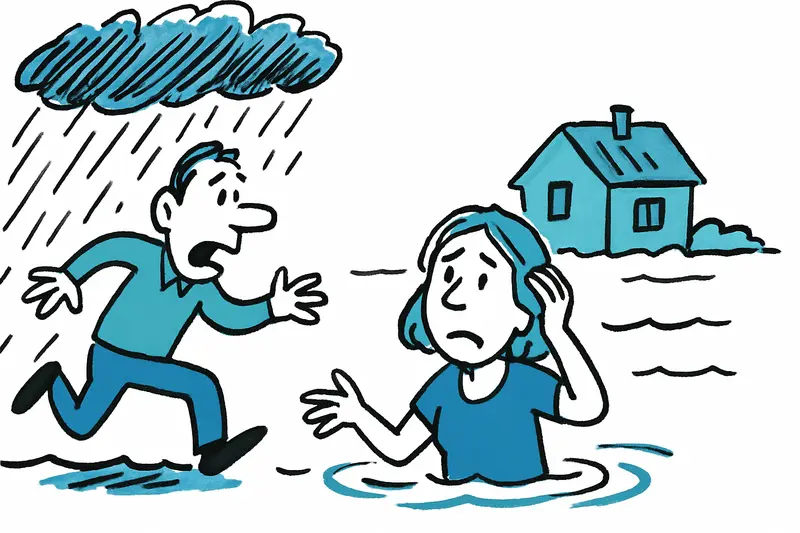
How dangerous is a DANA really—and is it enough to simply keep an eye on the weather app? The short answer: A DANA is a weather pattern, not a disaster scenario in itself. But when warm, humid Mediterranean air meets cold air in the upper atmosphere, powerful thunderstorms can form. Rain can then fall so quickly and in such a localized area that a dry morning tells you little about the afternoon. In Mallorca, it is not just the amount of rain that matters, but also where it falls and where the water flows.
The Spanish term refers to an isolated upper-level low. In everyday conversation, it is often called a “cold air drop.” The combination of a warm sea and cold air aloft can trigger unstable weather, especially in late summer and autumn. But not every DANA brings torrential rain, and not every heavy shower causes flooding. The storm’s path, the moisture in the air, and the duration of the rainfall all make a difference. That is why blanket reassurances are just as unhelpful as alarm whenever a dark band of clouds appears.
The most dangerous place is often not where the rain falls
On the island, water can quickly flow into low-lying areas, streams, and ravines. Driving through a street in Palma on a rainy day, you might initially see only a puddle on the shiny asphalt. But in a dip in the road, it can become an obstacle that is difficult to judge. Curbs, damage, and objects disappear beneath the water. On foot or by car, a flooded road is not a shortcut. Even shallow water can flow strongly; the safest choice is to turn back and find another route.
Basements and underground car parks also need attention. If water threatens to enter, they are not a good place to wait things out. Before a storm is forecast, secure loose furniture, flowerpots, and parasols on balconies and terraces. Keeping away from windows during a thunderstorm is a simple precaution. If you are outdoors, avoid ravines and waterways, and do not assume that a familiar route will remain safe during heavy rain.
Warnings need to make sense in everyday life
The Balearic Islands have systems for weather warnings and assessing flood risks, including METEOBAL and INUNBAL. For residents, however, the name of a plan matters less than a practical question: Does this warning apply to my area, and what exactly should I do now? It is worth following official alerts and guidance from the relevant authorities. In an emergency, call 112, the European emergency number. A weather app can provide guidance, but it is no substitute for an official warning or an assessment of conditions on the ground.
The regional government has also approved an initial severe-weather protocol for sports. It is intended to establish when activities should be adjusted, suspended, or cancelled according to the warning level. It distinguishes between covered facilities, outdoor events, and activities in nature or at sea; protecting minors is a separate priority. This makes sense, because a football pitch, a hiking route, and a boat trip do not carry the same risks. An evacuation on the water cannot be compared with stopping an activity in a hall.
But rules only work if the information reaches the right people before the first thunderstorm: clubs, parents, participants, and event organizers. Who decides to stop an activity? How will families be informed? Where should children gather if a practice ends and the weather turns? These questions belong in the preparations and should not arise only amid wet jerseys and overloaded phones. The same applies to recreational activities not covered by a sports federation.
What is often missing from the discussion
Severe weather is often discussed in warning colours: yellow, orange, red. Less visible is the final step in getting the warning to people. Does an alert reach those who do not constantly check the news? Do visitors staying on the island for only a few days understand which ravine to avoid? And do neighbours know who in a low-lying home might need help? A warning system cannot be taken for granted if the message is unclear or arrives too late.
Municipalities, clubs, and event organizers can help with a few simple measures. Set meeting points and cancellation rules in advance. Share brief warnings in multiple languages. For outdoor activities, appoint someone to monitor official alerts and pass on decisions. At home, a simple plan can help: charge phones, keep essential medication within reach, and know which rooms to avoid if water enters the building. This is not panic-driven preparation—just the kind of organization that, hopefully, stays boring.
An ordinary day in Mallorca can quickly feel familiar: the sound of scooters at an intersection, a café with its awning half lowered, someone hurrying to carry the shopping to the car. That very routine carries a risk. Clouds over the Serra do not automatically mean danger in Palma—but a quick check of the official warnings is wiser than assuming the weather will stay as it always has.
You cannot plan away a DANA. But clear warnings, early decisions, and avoiding flooded routes can reduce damage and dangerous situations. The best severe-weather advice is simple: do not drive through water, do not take chances near ravines and streams, and take the authorities’ instructions seriously. In Mallorca, during heavy rain, the best route is sometimes the detour.
Frequently asked questions
What is a DANA, and how dangerous can it be in Mallorca?
Can a dry morning in Mallorca still be followed by dangerous rain?
When is DANA weather most likely in Mallorca?
Is it safe to drive through a flooded road in Mallorca?
Which places should I avoid during heavy rain in Mallorca?
Where can I check reliable storm warnings in Mallorca?
What number should I call in a weather emergency in Mallorca?
How can I prepare my home for heavy rain in Mallorca?
Similar News

Messi Buys a Hotel in the Pyrenees: What Mallorca’s Meliá Will Continue to Manage
Lionel Messi is expanding his hotel portfolio with the Tredós in the Catalan Pyrenees. Meliá will remain the operator. F...
Trip Paid for, Hotel Not Confirmed: What Mallorca Travelers Should Check
Payment alone does not guarantee a smooth check-in. If you book flights and accommodation through an intermediary, check...
Rental Cars in Mallorca: When Does Your Permission to Drive Really End?
An expired rental agreement is more than a forgotten calendar reminder. If you need a car for longer in Mallorca, make s...

Palma: Investigations into education funds raise questions about oversight
Five arrests and further investigations, with around €300,000 under suspicion: The case in Palma has not yet been decide...
Tanker in Distress: Who Decides When No Port Will Take It?
A damaged ship off Ibiza raises an uncomfortable question: how do you organize help when every coastline is wary of the ...
More to explore
Discover more interesting content

Can Cap de Bou

Townhouse Lleo 72
