
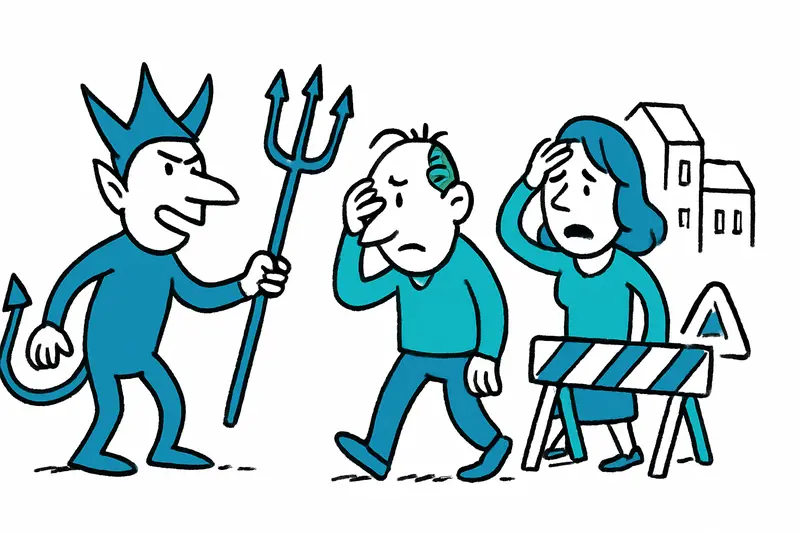
Dimonis and Devils in Palma: The Correfoc Between Tradition and Everyday Concerns
Dimonis and Devils in Palma: The Correfoc Between Tradition and Everyday Concerns
The major Correfoc in Palma takes place this evening at 7:00 PM from three starting points. A traditional spectacle — but the cancellation of other festival events, road closures and detours raise questions. A reality check.
Dimonis and Devils in Palma: The Correfoc Between Tradition and Everyday Concerns
Key question: How does a large fire run fit into the city when other parts of the Sant Sebastián celebrations were cancelled and at the same time streets are closed and buses diverted?
What is happening today
Today at 7:00 PM groups dressed as 'Dimonis' and 'devils' will march through the streets of Palma — the traditional Correfoc marks the finale of the Sant Sebastián festivities. Three starting points are planned: Plaza de la Reina, the bridge over the Sa Riera ravine, and Avenida Jaime III. Residents have already seen signs and temporary barriers, traffic signs are flashing, and staff from the transport authority are at major stops to explain routes.
Critical analysis
A fire run in the middle of the city has two sides. On the one hand it's a historic spectacle: showers of sparks, percussion, people dancing through the alleys. On the other hand it suddenly becomes a logistical challenge: closures, detours, annoyed commuters, unsettled tourists. This year the situation is odd — many program elements around Sant Sebastián were cancelled, yet the Correfoc takes place as a big finale. The result is a tense mix of festive mood and uncertainty about what is allowed and what is not. Similar tensions between tradition and protest can be seen elsewhere on the island, as discussed in Between Tradition and Protest: How Muro Brought Back the Bullfight — and What It Means for the Island.
What is often missing in public discussion
There is much talk about tradition and authenticity, but rarely about the small effects on everyday life: how parents with strollers suddenly cannot use their usual bus connection; how older neighbours have to avoid the smoke; how suppliers find closed access in the morning. Also rarely addressed is multilingual information for visitors — a notice in Spanish is not always enough. Equally insufficient: the lack of clear viewing areas for people with limited mobility and a standardized communication about alternative public transport lines.
A quotidian scene from Palma
Imagine Plaza de la Reina on a chilly January evening: coffee cups clink, a couple tighten their jackets, a boy presses his face against the bridge railing to see the sparks. Percussion echoes from Avenida Jaime III, somewhere in a side street a city bus is parked and the driver frowns — his usual route is closed today. On balconies older residents stand with blankets, some cautiously open windows, others close them because the smoke is too close. It is lively and somewhat chaotic, not just spectacular.
Concrete solutions
- Better prior information: clear notices in multiple languages at stops, on timetables and online, at least 24 hours in advance. This helps residents avoid surprises and allows visitors to plan their return.
- Marked spectator zones: fixed viewing areas at a safe distance from the fire and separate routes for emergency services so medical and fire crews can pass quickly.
- Accessible offers: ramps and designated places for people with mobility impairments, as well as early seat allocations for older spectators.
- Management of deliveries: temporary access windows for businesses so shops are not left with closed doors.
- Transparent decision criteria: why some program items are cancelled and the Correfoc is not — the city administration should explain this so people understand.
- Alternative offerings: if large parts of the festival are cancelled, smaller safe formats (light installations, musical walks without pyrotechnics) could serve as complements, as happened at events like Summer weekend on Mallorca: Correfoc in Alaró and water fun in Llucmajor.
Conclusion
The Correfoc is as much a part of Palma as the smell of roasted almonds in winter. Still, tradition alone is no excuse for everyday confusion. If tonight the Dimonis parade through Plaza de la Reina, across the Sa Riera bridge and along Avenida Jaime III, it would be beneficial if the city administration, organizers and transport companies not only organise the spectacle but also keep an eye on people's small, daily world in the city. Fire and celebration yes — but with clear routes, information stations and consideration for the neighbourhood.
Frequently asked questions
What is the Correfoc in Palma and why is it such a big part of Sant Sebastià?
Will buses and traffic be affected during the Correfoc in Palma?
Where does the Correfoc start in Palma?
Is it safe to watch the Correfoc in Palma with children or a stroller?
What should I wear to the Correfoc in Palma?
Why are some Sant Sebastià events cancelled while the Correfoc still goes ahead in Palma?
How accessible is the Correfoc in Palma for people with reduced mobility?
What can residents and visitors do if they need to cross Palma during the Correfoc?
Similar News
Injured captain, big plans: Germania Mallorca before the away match in Consell
The newly founded FC Germania Mallorca travels to Consell on Saturday. Captain Bastian Müller is out injured, but coach ...
Palma, Palma de Mallorca, Palma‑Mallorca: What is it really about?
The debate over the city's name is more than grammar: it concerns identity, law and branding policy. A sober reality che...
Warning to Bathers: Nipping Fish in Cala Major and Other Coves — a Reality Check
In Cala Major and several beaches around Mallorca, bathers report painful “nips”. Who are the animals, why are they gett...
Rental Car Theft in El Arenal: What This Incident Reveals About Our Gaps
A teenager steals a running rental car in El Arenal, flees on foot, climbs over walls and is caught by the Guardia Civil...
Red Rope in Palma's Library: What Helps Against Selfie Tourism — and What's Missing
Palma's city library cordoned off an area with a red rope to keep selfie tourism away from reading and working activitie...
More to explore
Discover more interesting content

Can Cap de Bou

Townhouse Lleo 72
