
Drunk Driving Instructor in Palma Stops Tests – Who Pays for the Damage?
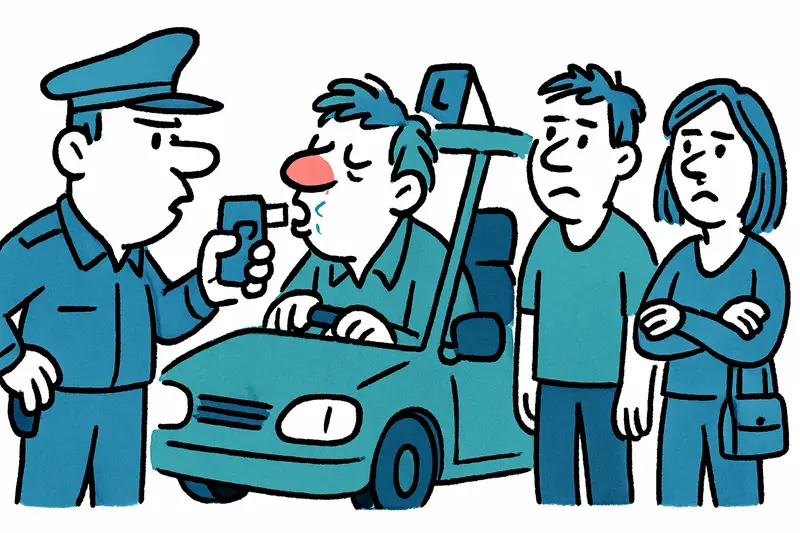
In the middle of a practical driving test the Guardia Civil intervened: the accompanying driving instructor was intoxicated. Three candidates stood stunned — and ask who will refund their time and money.
Drunk driving instructor in Palma stops tests – Candidates feel abandoned
It's one of those clear mornings in Palma: the sun is still low, buses rumble by, seagulls screech above the rooftops. Suddenly there was unrest on an exam site. A practical driving test was stopped in the middle of the road after the Guardia Civil found alcohol on the accompanying driving instructor during a check. Engines off, lights on, faces frozen in surprise – three candidates stood there, ready for their big moment, and suddenly it was all over. The incident was reported in Driving test on the Arenal motorway halted: instructor tested positive for alcohol.
The central question: Who is liable for the damage?
The young people are not only disappointed, they are also angry: vacation taken, travel, exam fees. "We drove here especially early, now we're left with the costs and nobody takes responsibility," says one candidate who was on site. The Guardia Civil confirmed the incident: a breathalyzer test of the driving instructor was positive, the vehicle was temporarily impounded, the test annulled. Legally, however, the situation is less clear. Who pays refunds or replacement appointments — the instructor personally, the driving school, the testing authority? For official regulations candidates may consult the Dirección General de Tráfico (DGT) official site.
What is often missing from the public debate is the legal grey area between individual misconduct and institutional responsibility. An instructor who accompanies an exam while intoxicated endangers not only the candidates but also trust in the system. The question of liability and prevention thus becomes central: are sporadic checks enough, or are mandatory pre-checks required?
Systemic weaknesses crying out for solutions
The problem is more than a one-off case. Candidates report long waiting lists and palpable pressure: appointments are scarce, nerves are frayed. Many driving schools work with tight schedules, instructors juggle several tests a day. In this environment, individual absences can quickly cause significant damage to customers. These structural conditions are often overlooked when only the individual's misconduct is condemned. Other local incidents have raised concerns, for example Drunk driving in Palma – 61-year-old stopped after wrong-way drive.
Concrete approaches could improve the situation: mandatory breathalyzer tests for accompanying instructors before an exam begins, clearly regulated on-site replacement solutions (e.g., immediate provision of a substitute driver by the driving school), transparent refund rules and a duty to report incidents. Continuous documentation of all tests and the use of digital protocols would also help clarify responsibilities more quickly, supported by procedures described on the Guardia Civil official website.
Another often underestimated point is the psychological burden on candidates: the mental damage after such a public embarrassment cannot be measured in euros and cents. Anyone who, after an abrupt cancellation, has to face the examiner — sorry, the driving instructor — again needs time and sometimes support to avoid becoming unsettled.
What those affected can do now
The three candidates have officially filed a complaint with the competent traffic authority. That is the right first step. In parallel, those affected should collect receipts, document correspondence with the driving school and, if necessary, set a deadline for reimbursement. If the driving school does not cooperate, legal action remains an option — even if it takes time and nerves. Similar complaints followed other incidents such as Palma: Accident involving a drunk female driver — despite a license previously revoked.
At the political level, measures are now required: stricter checks, clear liability regulations and mandatory safety checks before tests begin. A breathalyzer test for instructors before each exam is neither technically nor organizationally utopian — but it would restore a lot of trust and send the signal that tests must be safe not only for candidates but for everyone involved.
An eyewitness at the test site described the scene as a mixture of disbelief and anger. Those who travel early in the morning do not want to become pawns of organizational shortcomings — and that is precisely what those affected now want to change.
Frequently asked questions
What happens if a driving test in Mallorca is stopped because the instructor is drunk?
Can candidates in Mallorca get their exam fees back after a cancelled driving test?
Who is responsible when a driving test in Palma is cancelled because of the instructor?
What should I do if my driving test in Mallorca is suddenly cancelled?
Are driving instructors in Mallorca checked for alcohol before practical exams?
Why are driving test cancellations such a problem in Mallorca?
What can candidates do if their driving school in Mallorca does not cooperate after a cancelled test?
Is there support for the stress caused by a cancelled driving test in Palma?
Similar News
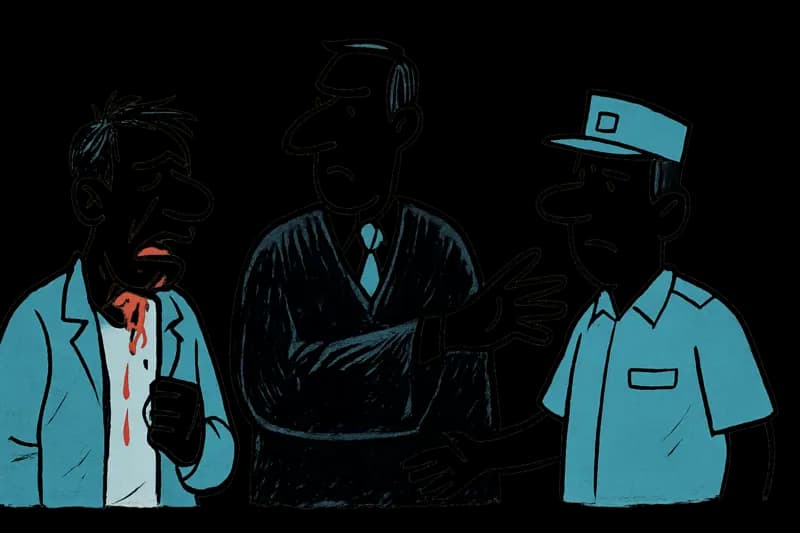
Release after bloody attack in Palma: Why the court's decision raises questions
An 18-year-old who allegedly inflicted a serious neck injury on a man at Plaza Gomila using a wristwatch wrapped around ...
Kidnappings in Inca: Three young men forced into car trunks and abused in the forest – a reality check
In Inca, three 18-year-old men were forced into car trunks by masked assailants at the Plaça des Bestiar, taken to a for...
Spreading Massification: The Brake That Still Has Much Work to Do
Marga Prohens announces limits on volume tourism. The measures sound harsh — but are they enough to save everyday life, ...
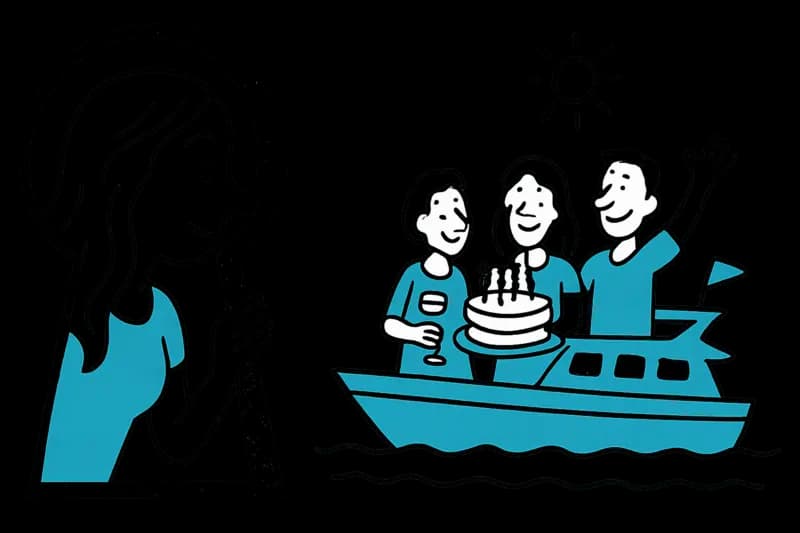
Through the Keyhole onto the Party Yacht: How Daniela Katzenberger Is Planning Her 40th on Mallorca
Daniela Katzenberger turns 40 and wants to celebrate it on the island — likely with a boat, cake and her mother. A relax...
By Boat Instead of the Road: Palma's Water Bus — a Reality Check
The 'Bus Nàutic' launches in two stages — but questions remain over interim operations, fares and environmental requirem...
More to explore
Discover more interesting content

Can Cap de Bou

Townhouse Lleo 72
