

When Breaks Become the Exception: Balearic Security Guards Pushed to the Limit
Thousands of private security workers in the Balearic Islands complain about missing or too-short breaks. Fatigue builds up between assignments in vehicles — posing risks to health and safety.
When Breaks Become the Exception: Balearic Security Guards Pushed to the Limit
In Palma, when the streets still smell of wet asphalt and the first delivery vans rattle through the narrow lanes, some security guards sit exhausted in their vehicles, waiting for the next assignment. The union has filed a complaint with the labour inspectorate: Escándalo en las Baleares: empresas de seguridad presuntamente niegan las pausas. Thousands of employees in the private security sector in the Balearic Islands are said to regularly receive no or too-short rest periods. To outsiders that may sound like a matter of paragraphs — for those affected it is everyday life and a risk.
The central question: Why are rest periods missing?
The key question is simple and urgent: why are legally mandated rest periods under Spain's Workers' Statute regularly being undermined in the Balearics? According to the union, up to 6,000 employees could be affected, including about 2,500 guards. In conversations in front of a supermarket at Playa de Palma or in small cafés in La Lonja you hear the same answers: "The break is in the car, between assignments," "If we sit down, the system collapses." Many accept overtime for financial reasons — who would give up shifts when money is tight?
Analytical view: What is often lacking
The public debate focuses on individual cases, but three structural factors are rarely examined: the procurement practices, subcontractor chains and the weak inspection landscape. Too-low fees in tenders lead companies to accept more contracts than they can responsibly staff. The result: duty rosters that formally provide breaks but make them practically impossible.
Subcontractor chains dilute responsibility. When clients, main contractors and several subcontractors are involved, it is unclear who is responsible for enforcing rest periods — and inspections become more difficult. And the labour inspectorates? They are often understaffed, have overflowing files and cannot carry out widespread checks. This calls for reforms, not just complaints.
What consequences can be felt locally?
Fatigue and working-time risks are not an abstract category here. A tired guard at a construction site or shopping centre is a safety risk — for residents, tourists and colleagues. At night, when bars close and the streets get louder, we need alert teams. Relying on tired staff is negligent. At the same time there is a social dimension: overtime and shift pressure strain family life and health. Conversations in small bars and at petrol stations show exhausted faces, cups of strong coffee and the quiet resignation of those who must count every euro.
Concrete solutions — more than inspections alone
The union is calling for investigations, collective agreements and additional hirings — valid demands, but incomplete. What could help additionally:
- Stricter procurement criteria: Clients should not only look at price, but require binding minimum staffing levels and proof of compliance with rest periods.
- Clear rules for subcontractor chains: Contracts must include accountability and liability rules so that responsibility does not disappear.
- Local staffing buffers: Municipalities and large clients could create financial incentives for buffer positions to cover short-term absences — so breaks can be respected even if someone is unavailable.
- More and better controls: The labour inspectorate needs more staff, modern control tools and effective sanctions. Fines must be high enough to be felt by companies.
- On-site health protection: Dedicated rest rooms for evening and night shifts, regular medical checks and fatigue prevention programs would help immediately — especially in hot summer nights when the strain increases.
Additionally, digital services and shift-planning tools can create transparency: documenting when breaks are actually taken makes excuses harder. And whistleblower protection is important: employees must be able to report violations without fear for their jobs.
Who bears responsibility?
It is not just the companies' fault — but their duty of care is non-negotiable. Clients such as shopping centres, event organisers or municipalities must check whether they are promoting exploitative conditions with cheap procurement. Politics are called upon: Labour Minister Yolanda Díaz has taken note of cases and ordered inspections. Whether that will be enough remains open.
For the guards it is about health, financial security and the safety of the islands. The coming weeks will show whether inspections, collective bargaining and public attention are enough to permanently enforce rest periods — or whether breaks in the Balearics will remain the exception. On the streets of Palma, when the ferry sounds its horn leaving the harbour and the first early deliveries roll by, some are still on duty, tired and alert at once — a situation that concerns us all.
Keywords: Labour law, Security, Trade union, Balearic Islands, Palma
Frequently asked questions
Are security guards in Mallorca entitled to regular breaks at work?
Why are security guards in the Balearic Islands missing rest periods?
How many security workers could be affected by the break dispute in Mallorca and the Balearics?
Is it safe to rely on tired security guards at malls, construction sites or nightlife venues in Mallorca?
What is the labour inspectorate doing about security guard break violations in Mallorca?
What can companies in Mallorca do to make sure security guards get proper breaks?
Do security guards in Palma work through the night without proper rest?
What solutions are being discussed to improve security workers’ conditions in the Balearic Islands?
Similar News
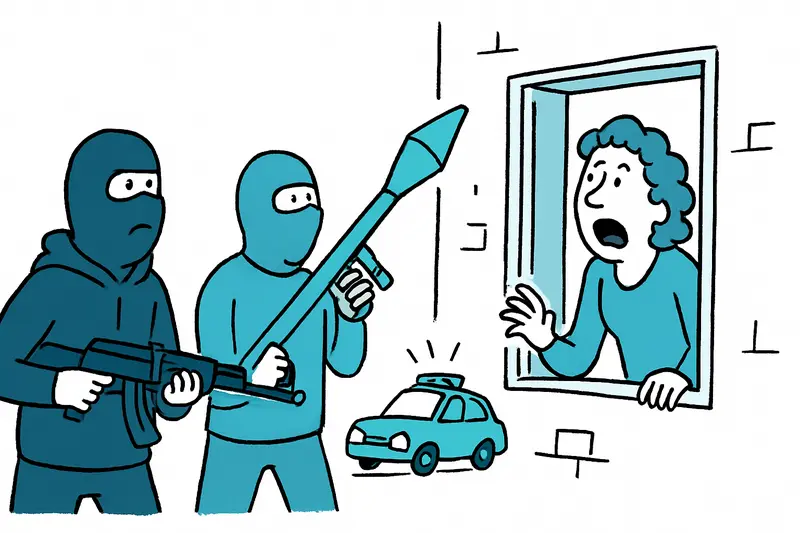
Masked Images, Real Panic: When Social Media Aesthetics Alarm Neighbors
Five German content creators filmed on a recently vacated detention site using deceptively realistic props. The result: ...
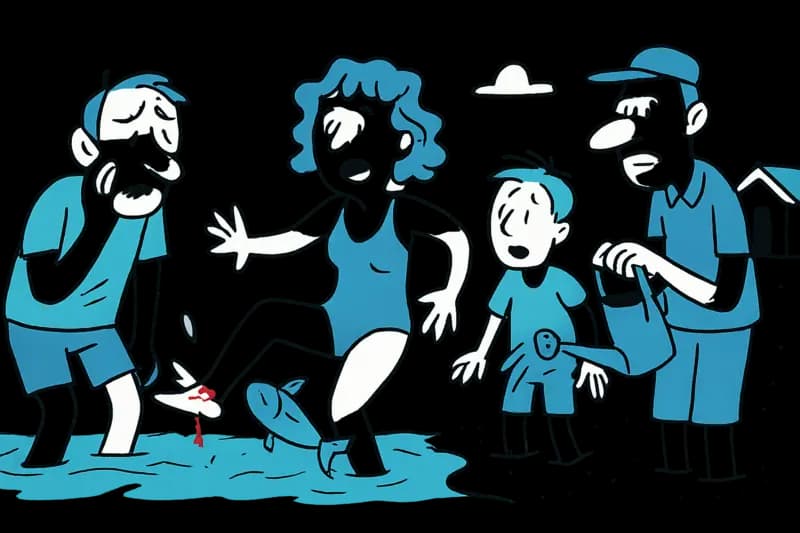
Why the Striped Breams in Cala Pí Should Be a Wake-up Call
Once again bathers in Cala Pí were surrounded while swimming by small, nippy fish — some wounds bled. Time for clear rul...
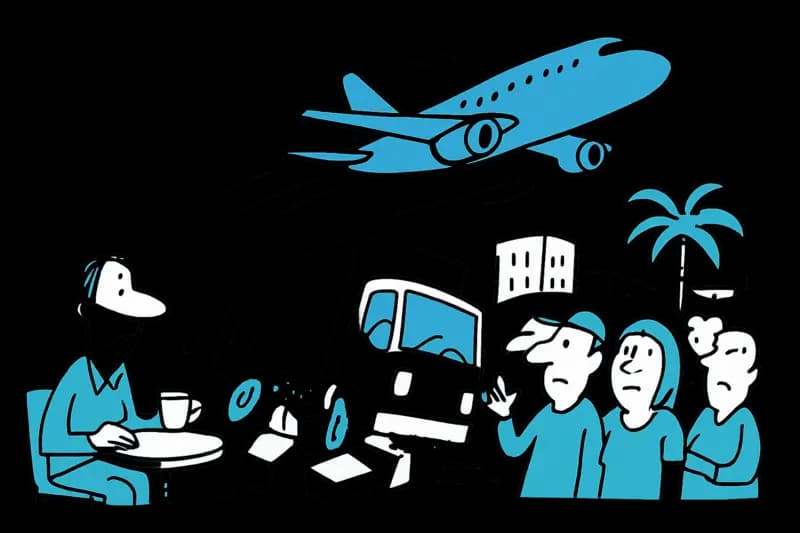
Daily from New York: How Palma's Air Traffic Is Growing — and What Must Change
United will increase the Newark–Palma service to daily flights in 2027 (Boeing, 231 seats). Strong tourist numbers clash...
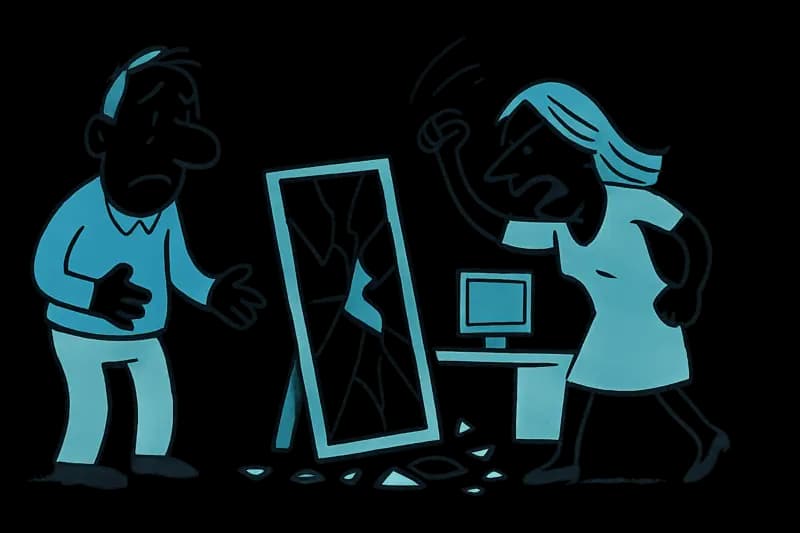
When Love Ends in Shards: Destruction in Son Vida and the Questions That Remain
In Son Vida a relationship dispute escalated: a woman destroyed furniture in a luxury villa, later pressed a panic butto...
Who Bears the Burden? Mallorca Between Tenant Protection and Landlord Fears
Madrid's new housing decrees strengthen tenant rights — but on Mallorca concern is growing: will the law drive small lan...
More to explore
Discover more interesting content

Can Cap de Bou

Townhouse Lleo 72
