
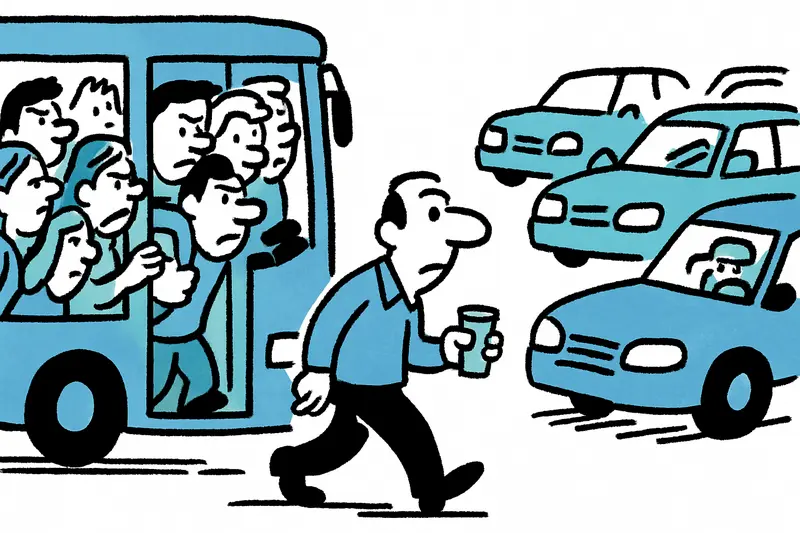
EMT is booming — but Palma's streets remain clogged
EMT has recorded a significant increase in passengers — from 40 to 60 million trips. Yet traffic on the main arteries continues to be congested. Why the bus success is hardly noticeable on the streets and what steps would now be necessary.
Why do Palma's streets stay full, even though buses are bursting at the seams?
The figures are impressive: in just two years the passenger numbers of the city's EMT buses have risen from around 40 to about 60 million trips. A reason to celebrate — and yet when you look out of a café on Passeig Mallorca in the morning you hardly get the feeling that anything fundamental has changed. On the street the familiar sounds: horns, engines, construction noise and the occasional screech of seagulls above Plaça d'Espanya.
The paradox: full buses, full streets
If you stand on the major arteries between 8 and 9 a.m., you see crowded buses at the stops and at the same time still around 14,300 vehicles per day on important feeder roads. This is not explained by an error in the statistics, but by a coexistence of mobility behavior and urban development, as described in More buses, same jams: Palma's traffic dilemma.
Two not so obvious mechanisms stand out: on the one hand, part of the newly gained bus customers have apparently been drawn away from short walks — people who previously walked five or ten minutes now prefer the bus. That does improve the attractiveness of public transport, but does not automatically reduce car use on the main arteries. On the other hand the city is growing: more residents, more jobs, more delivery traffic — and thus the number of private cars remains high.
Habits and everyday life – tough competitors for public transport
An old neighbor, a taxi driver for more than a decade, puts it dryly: "On paper everything looks great. On the street the clatter of headlights counts." And he is right. The typical morning routine of many families — two children to school, a shopping trip, a detour to work — invites the use of the car. Buses are wonderful, but often not the more flexible tool when multiple stops and shopping bags are involved.
Then there is the last mile. Stops are not always optimally located, direct connections are missing, transfers take too long. In a place where the sun rises early on Mallorca and life happens outdoors, every minute of waiting counts.
What often gets too little attention in the public debate
It's not just about more buses. If you examine the situation more deeply, three less-noticed points emerge: the role of delivery services and commercial vehicles during rush hours, parking management policy, and the lack of integration between public transport and other mobility forms (bicycles, e-scooters, ride-sharing).
Delivery traffic causes temporary blockages on narrow city streets, search-for-parking traffic clogs secondary axes, and when parking fees are low the car remains an attractive default option. At the same time bicycle corridors are often implemented half-heartedly: a provisional marking is not enough to deter drivers from their habits or to make cyclists feel safe.
Concrete levers — not just warm words
If Palma really wants noticeably less car traffic, it needs a bundle of measures, not single victories. Some proposals that are practical and locally implementable:
1. Tighten parking management: higher fees, fewer short-term parking spaces in central areas, more park-and-ride schemes at the city edge. That diverts search traffic away from the city center.
2. Signalling and bus priority: traffic-light priority for buses, expanded bus lanes with physical separation on main arteries. A bus that stops at every light loses passengers.
3. Last-mile concepts: micro-shuttles, reliable bike stations and secure parking areas for cargo bikes. It's not enough just to get to the bus — connections must work.
4. Delivery windows and logistics hubs: time windows for deliveries in the city center and small transshipment points at the edge could avoid large truck traffic during peak hours, an approach aligned with EU urban logistics.
5. Pilot projects and transparent data: short pilot phases for traffic calming on critical axes, accompanied by open timetable data and traffic measurements. That makes it visible what really works.
Looking ahead — and a realistic pace
Palma has the technical prerequisites: a well-developed EMT (see EMT Palma official website), bold traffic planners and a city that can change — if the pressure from politics, commerce and residents is right. In the short term denser schedules on key lines, clearer stops and consciously placed car parks on the city edge help. In the medium term, however, a tougher debate about parking space, delivery flows and prioritizing public space in favor of pedestrians and cyclists is needed.
Until then the morning picture remains: full buses at the stop, honking cars on the roadway and on the square the daily jumble that many Mallorcans know so well. It is possible that the tide will turn — Palma has patience and sometimes a slowness that can ultimately prove advantageous. But to get there we must start thinking differently now.
Frequently asked questions
Why are Palma’s streets still so congested if EMT buses are carrying more passengers?
Is taking the bus in Palma better than driving during rush hour?
What makes traffic in Palma worse in the morning?
What changes could reduce car traffic in Palma?
How does parking policy affect traffic in Palma?
Where does last-mile transport matter most in Palma?
Is EMT Palma reliable enough for everyday commuting?
What is happening at Passeig Mallorca and Plaça d'Espanya in the morning?
Similar News
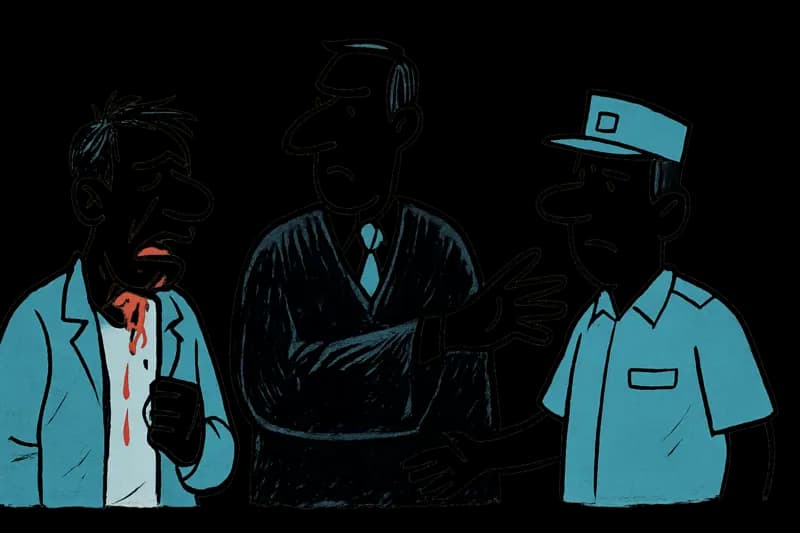
Release after bloody attack in Palma: Why the court's decision raises questions
An 18-year-old who allegedly inflicted a serious neck injury on a man at Plaza Gomila using a wristwatch wrapped around ...
Kidnappings in Inca: Three young men forced into car trunks and abused in the forest – a reality check
In Inca, three 18-year-old men were forced into car trunks by masked assailants at the Plaça des Bestiar, taken to a for...
Spreading Massification: The Brake That Still Has Much Work to Do
Marga Prohens announces limits on volume tourism. The measures sound harsh — but are they enough to save everyday life, ...

Through the Keyhole onto the Party Yacht: How Daniela Katzenberger Is Planning Her 40th on Mallorca
Daniela Katzenberger turns 40 and wants to celebrate it on the island — likely with a boat, cake and her mother. A relax...
By Boat Instead of the Road: Palma's Water Bus — a Reality Check
The 'Bus Nàutic' launches in two stages — but questions remain over interim operations, fares and environmental requirem...
More to explore
Discover more interesting content

Can Cap de Bou

Townhouse Lleo 72
