
Dangerous Beauty: Fall in Caló des Moro – what is missing in the discussion?
Dangerous Beauty: Fall in Caló des Moro – what is missing in the discussion?
A 27-year-old tourist fell from several meters onto rocks at Caló des Moro and was flown by helicopter to Son Espases. Why do such accidents keep happening?
Dangerous Beauty: Fall in Caló des Moro – what is missing in the discussion?
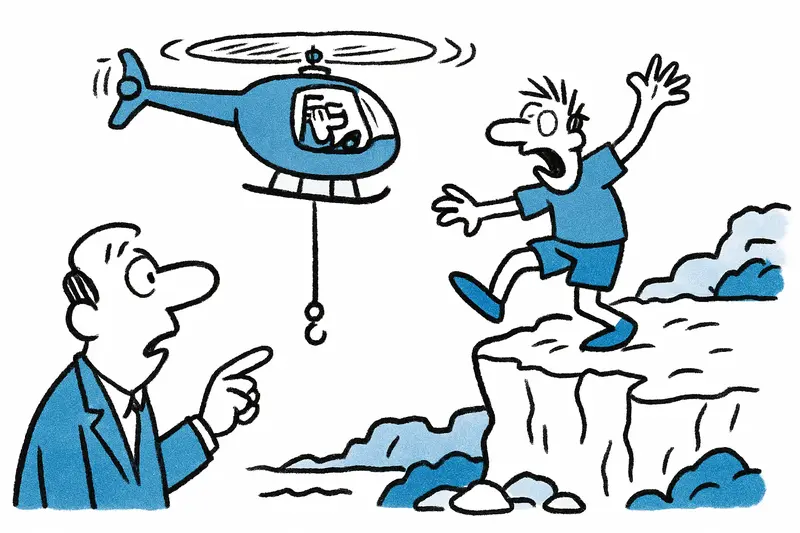
On Monday around 12:30 p.m., an excursion to the well-known bathing cove Caló des Moro ended in a serious hospital stay for a 27-year-old holidaymaker. According to rescue services, the man fell from an estimated height of five to seven meters onto rocks and suffered multiple serious injuries. A fire department helicopter lifted him out of the hard-to-reach area and flew him to Palma, where he received emergency treatment and was admitted to Son Espases University Hospital; his condition is described as critical.
Key question
Why do popular natural spots like Caló des Moro repeatedly end in life-threatening accidents such as the tragic fall in Cala Sant Vicenç — and why do we usually only talk about the next rescue operation instead of addressing causes and solutions?
Critical analysis
The facts are clear: steep cliffs, unsecured drop edges, narrow paths, many visitors — that is a risky mix. These accidents follow a pattern: people want the perfect photo, go to exposed spots, and one misstep is enough. This mirrors other incidents involving dangerous dares on Mallorca's east coast. Rescue teams do the impossible, extracting the injured from rock coves by helicopter and bringing them to hospitals, and sometimes performing complex recoveries as with a helicopter operation in Cala Deià. But the rescue system is reactive, not preventive. It compensates for dangers instead of reducing them. We can afford impressive recovery flights, but we rarely ask: Who is liable when tourists use prohibited paths? Who sufficiently informs them about the risks? And why are there so few clear warnings or protections at some popular spots?
What is missing from the public discussion
First: an honest debate about accessibility versus nature conservation. Barriers help some, bother others, but often protect both nature and human lives. Second: clear responsibilities. Visitors are sometimes shown only romantic images in guidebooks, not warning signs. Third: targeted prevention at midday, when heat, glare and fatigue increase the risk of accidents. Fourth: culturally sensitive information — not everyone is familiar with alpine-like hazards. All of this appears too rarely in the public debate; instead, reports quickly focus on dramatic images and rescue statistics.
A everyday scene from Santanyí
A look at Santanyí helps to understand what is going wrong. On a hot June day you see people at the access car park with towels, young couples with cameras, cicadas buzzing, and excited voices calling from the narrow path down to the cove. Some descend carefully, others balance close to the cliff edge; children follow behind. In the heat the rock becomes slippery, shade is scarce. The fire engine siren in this case was only one of many sounds — in the end what counts is that the rescue teams once again had to deploy the helicopter's winch platform in the midday heat.
Concrete solutions
1) Targeted signage: clearly visible warning signs in several languages at main access points, supplemented by pictograms for people with limited literacy. 2) Time restrictions or visitor management: on particularly sensitive days or times of day, access could be reduced or controlled. 3) Safe paths and minimal infrastructure: a stable, narrow trail with a handrail at especially dangerous spots can save lives without “industrializing” the cove. 4) On-site and digital information: QR codes at the car park with short safety instructions that also provide offline maps and emergency numbers. 5) Cooperation between municipalities, rescue services and tourism operators: joint emergency plans, regular risk-assessment operations and transparent rules of responsibility. 6) Cultural sensitivity: notices that explain why cliffs are dangerous — not just prohibitions, but short explanatory texts.
Who pays, who decides?
Reality: such measures cost money and require political decisions. Municipalities like Santanyí have limited budgets and competing priorities. What is needed are viable proposals, simple pilot projects and transparent communication: if a handrail or a sign can save a life, tourism offices, conservation authorities and citizens should meet quickly instead of debating for months.
Conclusion: Monday's helicopter rescue shows that our rescue chains work — but it is also an alarm signal. Caló des Moro is beautiful, vulnerable and popular. If we continue to only react, lives or expensive rescues will pay the price. A bit of common sense, targeted infrastructure and clear responsibilities would achieve more than the next dramatic incident report. The question remains: do we only want to keep posting photos of this place — or do we really want to shape it so it does not destroy people?
Frequently asked questions
Why are accidents at Caló des Moro in Mallorca so common?
Is Caló des Moro safe to visit in Mallorca?
What should I know before going to a rocky cove in Mallorca?
When is the most dangerous time to visit Caló des Moro?
Are there warning signs or barriers at Caló des Moro in Mallorca?
Why is Santanyí linked to safety concerns at Caló des Moro?
How are injured visitors rescued from Caló des Moro in Mallorca?
What could make Caló des Moro safer without damaging its natural character?
Similar News
Still bathing season? Why Mallorca still invites a plunge into the sea at the end of October
The air is mild, the beaches quieter — and the water surprisingly warm. We have summarized the current temperatures and ...
A Spanish Evening at the Auditorium: Guitar, Colors and the Sea in Palma
Rodrigo, Ravel, Albéniz — and a new work by the guitarist: the second subscription concert brings Spanish music in a lar...
When Palma Becomes a Zombie Zone: 'Mallorca Z', AI and the Thought Experiment with Side Effects
A Mallorcan lawyer built a strategy game over a weekend using AI that treats the island as the scene of a zombie crisis....
Learning to Wait: How Leisure Is Making Space Again on Mallorca
Waiting doesn't have to be lost time. A mild October day in Palma shows how small pauses slow down our lives — and what ...
Cala en Brut: Body in the Sea — a Fatal Autumn Day and What’s Missing
In Cala en Brut (Ciutadella) a man's body was recovered during storm Dana "Adam". Why do autumn storms in the Balearics ...
More to explore
Discover more interesting content

Can Cap de Bou

Townhouse Lleo 72
